SANTA CLARA, Calif.–(BUSINESS WIRE)–HeartBeam Joins European EXIT-CVD Research Consortium to Advance At-Home ECG Monitoring for Early Detection of Acute Coronary Syndrome


The Latest Cardiac and Vascular News
SANTA CLARA, Calif.–(BUSINESS WIRE)–HeartBeam Joins European EXIT-CVD Research Consortium to Advance At-Home ECG Monitoring for Early Detection of Acute Coronary Syndrome

DUBLIN–(BUSINESS WIRE)– #CardiovascularHealth–B-Secur and Beacon Hospital Research Institute launch clinical pilot to bring ECG data from any consumer wearable directly into the clinical workflow.
Adds FDA-cleared AI analysis to Wellysis’ S-Patch ECG monitoring solution, expanding its capabilities beyond ECG acquisition Enables FDA-cleared AI analysis of S-Patch ECG data to be integrated into third-party ECG platforms and existing clinical workflows Designed to streamline ECG…

Southlake, TX, Oct. 06, 2026 (GLOBE NEWSWIRE) — HeartSciences Inc. (Nasdaq: HSCS; HSCSW) (“HeartSciences” or the “Company”), a healthcare information technology (“HIT”) company focused on advancing electrocardiography (“ECG” or “EKG”) through the integration of artificial intelligence (“AI”), today announced that the U.S. Food and Drug Administration (“FDA”) has granted 510(k) clearance (K260005) for its MyoVista® wavECGTM device as a 12-lead resting electrocardiograph. The clearance covers the acquisition and interpretation of ECG signals from adult and pediatric patients in hospitals and healthcare facilities, with interpretive statements provided to clinicians on an advisory basis. The clearance does not include an AI-ECG algorithm. As previously reported, HeartSciences separated the FDA submissions for the MyoVista wavECG device and its impaired cardiac relaxation AI-ECG algorithm following updated guidance published by the American Society of Echocardiography regarding the assessment of left ventricular diastolic dysfunction. The Company does not intend to commercialize the device without a cleared AI-ECG algorithm and has made no commitment to, and has no timeline for, commercialization of the device. The clearance does, however, broaden the potential options available to the Company for the device and its related intellectual property, which the Company intends to evaluate. Andrew Simpson, CEO of HeartSciences, said, “This clearance is the result of several years of work by our clinical, regulatory and engineering teams, and I want to thank them for the quality and persistence of that effort. Our commercial focus remains on MyoVista Insights, but clearance makes the device and the intellectual property behind it a more readily realizable asset, and we will take the time to consider the best route to realizing that value.” Proposed Transaction with Fortitude The proposed business combination with Fortitude Mining Holdings, Inc. (“Fortitude”), announced in June 2026 (the “Proposed Transaction”), continues to progress. The Company expects to close the Proposed Transaction in Q4 calendar 2026, subject to customary closing conditions, including approval by HeartSciences’ shareholders. About HeartSciences HeartSciences is a healthcare information technology company advancing the use of ECG/EKGs through the integration of artificial intelligence. HeartSciences’ MyoVista Insights™ Platform is a cloud-native, vendor- and device-agnostic ECG management system designed to modernize ECG workflows and improve clinical efficiency and decision-making. The platform’s AI-ECG marketplace is designed to deliver AI-ECG algorithms into clinical workflows across a health system’s existing ECG equipment. For more information, please visit www.heartsciences.com and follow HeartSciences on X @HeartSciences. About Fortitude Fortitude, currently wholly-owned by Digital Currency Group, Inc. (“DCG”), is an institutional-scale, vertically integrated venture mining platform operating across the Proof-of-Work ecosystem and anchored in Zcash. Fortitude pairs self-mining operations with an owned data center footprint, a diversified power portfolio backed by competitive long-term contracts, and disciplined capital allocation to identify and scale high-conviction opportunities in emerging Proof-of-Work ecosystems, beginning with its leadership position in the Zcash network. Fortitude is led by an experienced team of operators, capital markets professionals, and digital asset specialists with a track record of identifying and scaling high-conviction opportunities and building privacy-preserving digital asset infrastructure. For more information, visit www.fortitudemining.com and follow Fortitude on X at @FortitudeCrypto. In the ordinary course of business, Fortitude currently sells or otherwise monetizes all the digital assets that it mines, including ZEC. In addition, Fortitude and its affiliates and subsidiaries, including DCG, from time to time sell, pledge or otherwise monetize their digital asset holdings, including ZEC. The funds received from such sales, pledges, or other monetization activities are used to fund operating expenses and capital investments, as well as for other purposes, including to hedge exposures and realize investment gains. Cautionary Note Regarding Forward-Looking Information This press release may contain forward-looking statements concerning HeartSciences, Fortitude and the Proposed Transaction and other matters. These forward-looking statements generally can be identified by the use of words such as “aim,” “anticipate,” “expect,” “plan,” “could,” “may,” “will,” “believe,” “estimate,” “forecast,” “goal,” “project,” “potential,” “target,” “objective,” “intend,” and other words of similar meaning, but the absence of these words does not mean that a statement is not forward-looking. All statements HeartSciences and/or Fortitude make in communications that do not relate to matters of historical fact should be considered forward-looking statements. These forward-looking statements are based on management’s current expectations and assumptions as of the date of this press release and are subject to a number of known and unknown risks, uncertainties, and other factors that could cause actual results to differ materially from those expressed or implied by such statements, which may include, without limitation, the following: the risk that the Proposed Transaction may not be completed on the anticipated timeline or at all; the failure to satisfy the conditions to the closing of the Proposed Transaction, including obtaining the requisite approval of HeartSciences’ shareholders; market, macroeconomic, or other conditions that could adversely affect either HeartSciences or Fortitude, or the combined company; risks related to the integration of the two companies and the management of a newly public company; risks relating to Fortitude’s operations and business, including the highly volatile nature of the price of Zcash and other cryptocurrencies; risks relating to significant legal, commercial, regulatory and technical uncertainty regarding digital assets generally; risks relating to the commercialization of MyoVista InsightsTM, including the rate of adoption by healthcare providers and the conversion of agreements into revenue; and risks relating to the MyoVista wavECG device, including the Company’s ability to realize value from the device and related intellectual property, and the recoverability of the related inventory. Additional factors that may cause actual results to differ materially from those expressed or implied by the forward-looking statements in this press release are discussed in HeartSciences’ amended preliminary proxy statement on Schedule 14A, filed with the U.S. Securities and Exchange Commission (the “SEC”) on October 6, 2026, in connection with the Proposed Transaction (the “Preliminary Proxy Statement”), HeartSciences’ 2026 Annual Report on Form 10-K, filed with the SEC on July 23, 2026, HeartSciences’ Quarterly Report on Form 10-Q for the fiscal quarter ended July 31, 2026, filed with the SEC on September 14, 2026, and its other reports filed with the SEC from time to time. Readers are cautioned not to place undue reliance on these forward-looking statements. Each of HeartSciences and Fortitude expressly disclaims any obligation to update or revise any forward-looking statements, whether as a result of new information, future events, or otherwise, except as required by applicable law. All forward-looking statements are made as of the date of this press release. Additional Information About the Proposed Transaction and Where to Find It This press release may be deemed solicitation material in respect of the Proposed Transaction. In connection with the Proposed Transaction, HeartSciences has filed the Preliminary Proxy Statement and may file additional relevant materials with the SEC. Following the filing of a definitive proxy statement with the SEC, HeartSciences will mail the definitive proxy statement and a proxy card to each shareholder entitled to vote at the special meeting relating to the Proposed Transaction. INVESTORS AND SHAREHOLDERS OF HEARTSCIENCES ARE URGED TO READ THESE MATERIALS (INCLUDING ANY AMENDMENTS OR SUPPLEMENTS THERETO) AND ANY OTHER RELEVANT DOCUMENTS IN CONNECTION WITH THE PROPOSED TRANSACTION THAT HEARTSCIENCES HAS FILED OR MAY FILE WITH THE SEC WHEN THEY BECOME AVAILABLE BECAUSE THEY CONTAIN IMPORTANT INFORMATION ABOUT HEARTSCIENCES AND THE PROPOSED TRANSACTION. THIS PRESS RELEASE DOES NOT CONTAIN ALL THE INFORMATION THAT SHOULD BE CONSIDERED CONCERNING THE PROPOSED TRANSACTION AND RELATED MATTERS AND IS NOT INTENDED TO PROVIDE THE BASIS FOR ANY INVESTMENT DECISION OR ANY OTHER DECISION IN RESPECT OF SUCH MATTERS. The Preliminary Proxy Statement, the definitive proxy statement and other relevant materials in connection with the Proposed Transaction (when they become available), and any other documents filed by HeartSciences with the SEC, may be obtained free of charge at the SEC’s website at www.sec.gov. In addition, investors and shareholders may obtain free copies of the documents filed with the SEC by sending a request to the HeartSciences Investor Relations Department at investorrelations@heartsciences.com. Participants in the Solicitation HeartSciences and Fortitude, their respective directors and executive officers, and certain executive officers of DCG may be deemed to be participants in the solicitation of proxies from HeartSciences’ shareholders with respect to the Proposed Transaction. Information regarding the identity of the potential participants, and their direct or indirect interests in the Proposed Transaction, by security holdings or otherwise, is set forth in the Preliminary Proxy Statement and other materials have been or may be filed with the SEC in connection with the Proposed Transaction. No Offer or Solicitation Any information contained herein is not intended to and does not constitute, or form part of, an offer, invitation or the solicitation of an offer or invitation to purchase, otherwise acquire, subscribe for, sell or otherwise dispose of any securities, or the solicitation of any vote or approval in any jurisdiction, pursuant to the Proposed Transaction or otherwise, nor shall there be any sale, issuance or transfer of securities in any jurisdiction in contravention of applicable law. The Proposed Transaction will be implemented solely pursuant to the terms and conditions of the merger agreement, which contain the full terms and conditions of the Proposed Transaction. Investor Relations and Media Contacts:HeartSciencesIntegrous CommunicationsMark KomonoskiPhone: 877-255-8483Email: mkomonoski@integcom.us
NEW YORK, Oct. 6, 2026 /PRNewswire/ — By analyzing heart rhythm recordings and blood tests, artificial intelligence may accurately flag when a transplant patient’s body starts attacking a donated heart, a new study suggests. “Combining the availability of EKGs with the support of AI may…

Combination broadens iRhythm’s cardiac monitoring portfolio, advances its multi-vitals strategy and expands iRhythm’s addressable market across the continuum of care. iRhythm’s commercial scale, health system relationships, market access expertise, and integrated clinical service capabilities are expected to accelerate VitalConnect’s growth and expand customer access. Transaction is expected to enhance iRhythm’s […]
New AI-enhanced solution helps identify promising drug formulations, compressing early clinical decision-making for new treatments NOTTINGHAM, England, Oct. 2, 2026 /PRNewswire/ — Quotient Sciences, a global integrated CRDMO (contract research, development and manufacturing…

– In the first peer-reviewed, real-world, contemporary, comparative effectiveness study of TTR stabilizers in ATTR-CM using U.S. claims data, acoramidis was associated with a statistically and clinically significant 34% reduction in a composite of clinical worsening events (diuretic intensification, heart failure hospitalization, and mortality) versus tafamidis (p=0.046), supporting improved clinical stability of acoramidis over tafamidis – Acoramidis was also associated with a significant 43% reduction in risk of diuretic intensification versus tafamidis (p=0.021); diuretic intensification is an early marker of worsening heart failure and worse clinical outcomes – Separation in clinical outcomes emerged within weeks of treatment initiation and increased over time, reinforcing a consistent early treatment effect and durable clinical stabilization – Findings underscore acoramidis’s differentiated profile, with potential to inform frontline treatment decisions and support switching individuals to acoramidis – An additional, independent real-world study evaluating the effectiveness of acoramidis versus tafamidis using electronic health records data is expected to be released at an upcoming 2026 medical meeting PALO ALTO, Calif., Sept. 23, 2026 (GLOBE NEWSWIRE) — BridgeBio Pharma, Inc. (Nasdaq: BBIO) (“BridgeBio” or the “Company”), a commercial-stage, multi-product biopharmaceutical company focused on developing medicines for genetic conditions, today announced results published in Cardiology and Therapy from the first peer-reviewed, contemporary real-world comparative effectiveness retrospective study of transthyretin (TTR) stabilizers in individuals with transthyretin amyloid cardiomyopathy (ATTR-CM), demonstrating that acoramidis was associated with significantly lower risk of early clinical worsening compared to tafamidis. This represents the first peer-reviewed, real-world evidence differentiating clinical outcomes between approved TTR stabilizers, reinforcing acoramidis’s differentiated clinical profile in present-day practice. “These findings further position acoramidis as a differentiated TTR stabilizer in contemporary clinical practice,” said Richard Wright, M.D., M.A.C.C. of the Pacific Heart Institute, U.S. “The significant reduction in diuretic intensification, an early indicator of worsening heart failure, points to improved disease control and clinical stability. The progressive nature of ATTR-CM is evident in all Phase 3 trials and is seen again here. This demonstrates the need for clinicians to proactively mitigate disease progression, and these data have the potential to meaningfully inform treatment selection in newly diagnosed patients and in patients currently on other treatments.” In this analysis of newly treated individuals living with ATTR-CM, acoramidis showed early, consistent, and clinically meaningful advantages compared to tafamidis across key measures of disease progression during a mean follow-up of 4.6 months. The key findings from the study comparing acoramidis benefit versus tafamidis in individuals with ATTR-CM: 34% statistically and clinically significant reduction in risk of composite clinical worsening (HR 0.66; p=0.046), including diuretic intensification, heart failure hospitalization, and all-cause mortality43% reduction in risk of diuretic intensification (HR 0.57; p=0.021), an established early marker of worsening heart failure and predictor of hospitalization and mortality; diuretic intensification was rigorously defined as initiation or dose-equivalent escalation of oral loop diuretics, parenteral loop diuretics use, or addition of a thiazide-type diuretic48% reduction in initiation or dose-equivalent escalation of oral loop diuretics (HR=0.52; p=0.014)Rapid benefit, with separation of Kaplan-Meier curves observed within weeks of treatment initiation and increasing over timeFewer individuals with acoramidis initiated alternative ATTR-CM therapy as compared to those treated with tafamidis (4.6% vs 7.7%, respectively), consistent with findings of improved clinical stability with acoramidisBackground heart failure therapies in this study were well balanced across arms and reflect contemporary practice: 43-44% SGLT2i, 36-39% MRAMultiple falsification analyses testing for residual bias were nonsignificant The study leveraged a retrospective, longitudinal, new-user, active-comparator design using U.S. claims data and incorporated a unique dataset linking Komodo Healthcare Map U.S. claims with Claritas hub and specialty pharmacy data. After weighting, the analysis included 170 individuals with acoramidis and 448 individuals with tafamidis newly initiating treatment between Dec 2024-April 2025 and followed through July 2025, with a mean follow-up of approximately 4.6 months. Acoramidis is approved as Attruby® by the U.S. FDA and is approved as BEYONTTRA® by the European Medicines Agency (EMA), Japanese Pharmaceuticals and Medical Devices Agency, Swissmedic, the Swiss Agency for Therapeutic Products, the UK Medicines and Healthcare Products Regulatory Agency, and the Brazilian Health Regulatory Agency (ANVISA) with all labels specifying near-complete stabilization of TTR. Additional data on the real-world benefit of acoramidis versus tafamidis in individuals living with ATTR-CM is planned for fall medical meetings and scientific publications, including an independent real-world study evaluating the effectiveness of acoramidis versus tafamidis using electronic health records data, expected to be released at an upcoming 2026 medical meeting. As with all real-world evidence studies, these findings should be interpreted in the context of inherent limitations of administrative claims data, including limited capture of cardiac biomarkers and other clinical measures of disease severity. Follow-up was limited given the recent approval of acoramidis, and longer-term data are needed to further add to these findings. About Attruby® (acoramidis)INDICATIONAttruby is a transthyretin stabilizer indicated for the treatment of the cardiomyopathy of wild-type or variant transthyretin-mediated amyloidosis (ATTR-CM) in adults to reduce cardiovascular death and cardiovascular-related hospitalization. IMPORTANT SAFETY INFORMATIONAdverse ReactionsDiarrhea (11.6% vs 7.6%) and upper abdominal pain (5.5% vs 1.4%) were reported in patients treated with Attruby versus placebo, respectively. The majority of these adverse reactions were mild and resolved without drug discontinuation. Discontinuation rates due to adverse events were similar between patients treated with Attruby versus placebo (9.3% and 8.5%, respectively). About BridgeBioBridgeBio exists to develop transformative medicines for genetic conditions. Millions of people worldwide living with genetic conditions lack treatment options, often because drug development for small patient populations can be commercially challenging. We aim to bridge the gap between advancements in genetic science and meaningful medicines for underserved patient populations. Our decentralized, hub-and-spoke model is designed for speed, precision, and scalability. Autonomous and empowered teams focus on individual conditions, while a central hub provides the clinical, regulatory, and commercial capabilities needed to bring innovation to market. For more information, visit bridgebio.com and follow us on LinkedIn, X, Facebook, Instagram, YouTube, and TikTok. BridgeBio Forward-Looking Statements This press release contains forward-looking statements. Statements in this press release may include statements that are not historical facts and are considered forward-looking within the meaning of Section 27A of the Securities Act of 1933, as amended (the Securities Act), and Section 21E of the Securities Exchange Act of 1934, as amended (the Exchange Act), which are usually identified by the use of words such as “anticipates,” “believes,” “continues,” “estimates,” “expects,” “hopes,” “intends,” “may,” “plans,” “projects,” “remains,” “seeks,” “should,” “will,” and variations of such words or similar expressions. BridgeBio intends these forward-looking statements to be covered by the safe harbor provisions for forward-looking statements contained in Section 27A of the Securities Act and Section 21E of the Exchange Act. These forward-looking statements include statements regarding the potential clinical significance and therapeutic implications of the real-world data regarding acoramidis, including the potential for the findings to inform frontline treatment decisions and treatment selection for newly diagnosed patients and patients currently receiving other treatments, and to support switching individuals to acoramidis; and BridgeBio’s plans and expectations regarding the presentation and publication of additional real-world data regarding acoramidis, including an independent real-world study evaluating the effectiveness of acoramidis versus tafamidis using electronic health records data expected to be released at an upcoming 2026 medical meeting. Although the Company believes that its plans, intentions, expectations and strategies as reflected in or suggested by those forward-looking statements are reasonable, the Company can give no assurance that the plans, intentions, expectations or strategies will be attained or achieved. Furthermore, actual results may differ materially from those described in the forward-looking statements and will be affected by a number of risks, uncertainties and assumptions, including, but not limited to, the risk that results from retrospective, observational, real-world evidence studies, including studies based on administrative claims data, may be subject to confounding, selection bias, residual bias, incomplete or inaccurate data, limited follow-up or other limitations and may not be predictive of future clinical outcomes or treatment effects; that the observed associations and differences between acoramidis and tafamidis may not be replicated in additional analyses, independent studies or longer-term data or may not translate into improved long-term clinical outcomes; that the findings may not meaningfully inform treatment selection or support switching patients to acoramidis; that additional real-world studies, including the independent study evaluating the effectiveness of acoramidis versus tafamidis using electronic health records data, may yield results that differ from or do not confirm the findings described in this press release; that plans or timing for future medical meeting presentations or scientific publications may change; the impacts of current macroeconomic and geopolitical events, including changing conditions from hostilities in Ukraine and in Israel and the Middle East, increasing rates of inflation and changing interest rates, on business operations and expectations, as well as those risks set forth in the Risk Factors section of the Company’s most recent Quarterly Report on Form 10-Q and Annual Report on Form 10-K and the Company’s other filings with the U.S. Securities and Exchange Commission. Moreover, the Company operates in a very competitive and rapidly changing environment in which new risks emerge from time to time. These forward-looking statements are based upon the current expectations and beliefs of the Company’s management as of the date of this press release, and are subject to certain risks and uncertainties that could cause actual results to differ materially from those described in the forward-looking statements. Except as required by applicable law, BridgeBio assumes no obligation to update publicly any forward-looking statements, whether as a result of new information, future events or otherwise. BridgeBio Media Contact:Kaitlyn Reilly, Director, Communicationscontact@bridgebio.com (650) 789-8220 BridgeBio Investor Contact:Kristen Kelleher, Director, Investor Relationsir@bridgebio.com

Late-breaking study presented at HRX 2026 met primary feasibility endpoint in 100% of patients Majority of patients had minimal or no AF symptoms at 12 months STAR Apollo™ Mapping System identifies atrial fibrillation (AF) drivers based on the fundamental electrophysiological principles…
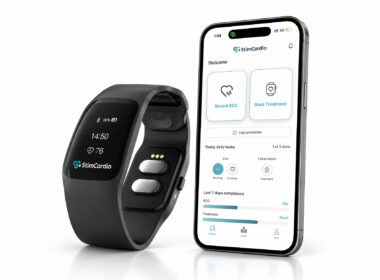
90% freedom from atrial arrhythmias at six months with neuromodulation vs. 80.8% with sham Randomized, double-blind, sham-controlled results presented as late-breaking clinical science at HRX Live 2026 and simultaneously published in peer-reviewed Heart Rhythm ATLANTA and LOS ANGELES,…


