PONTE VEDRA, Fla.–(BUSINESS WIRE)–Cadrenal Therapeutics, Inc. (Nasdaq: CVKD), a biopharmaceutical company developing therapeutics for patients with cardiovascular disease, today announced manufacturing and supply chain milestones for its lead drug candidate, tecarfarin, a novel oral vitamin K antagonist (VKA) anticoagulant that is designed to address unmet needs in anticoagulation therapy. “This is […]
Coronary/Structural Heart
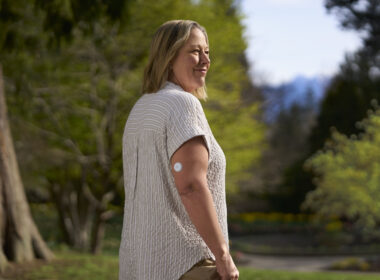
Abbott’s Libre® Technology is First Continuous Glucose Monitor Associated with Reduced Hospitalizations for Heart Complications in People with Diabetes
New data reveal a 78% reduction in cardiovascular disease-related hospitalizations for people living with Type 1 diabetes with prior severe low blood sugar episodes.1 This significant decrease is linked to the use of Libre biowearable technology compared to traditional blood glucose…
Daxor Announces Duke University Study on Blood Volume Analysis in Heart Failure Published in American Heart Journal
Published Research Demonstrates the Value of BVA in Meeting Key Goal of Identifying Anemia in Heart Failure Patients Oak Ridge, TN, May 14, 2025 (GLOBE NEWSWIRE) — Daxor Corporation (Nasdaq: DXR), Daxor Corporation, the global leader in blood volume measurement technology, today announces significant new findings from Duke University Medical Center published in the prestigious American Heart Journal. The research demonstrates how Blood Volume Analysis (BVA) enables precise measurement of red blood cell mass (RBCM) and effectively differentiates between true and dilutional anemia in heart failure (HF) patients. The detection of true anemia and its management is a key part of Heart Failure Guidelines published by cardiovascular societies, including the American College of Cardiology and the Heart Failure Society of America, but standard blood panels of hematocrit and hemoglobin levels are not sensitive or specific to enable care for this key objective. The study, titled, “Relationship of Red Blood Cell Mass Profiles and Anemia Type to Outcomes and Cardiopulmonary Exercise Performance in Chronic Heart Failure,” highlights the connections between RBCM profiles using BVA, different anemia types, heart failure outcomes, and cardiopulmonary exercise test (CPET) parameters. Dr. Veraprapas Kittipibul, the study’s lead investigator, outlined key findings: Anemia is prevalent in heart failure patients and can be categorized by type using BVA.Among heart failure patients diagnosed with anemia by WHO hemoglobin criteria, 60% had true anemia while 40% had dilutional pseudo-anemia. (Only truly anemic patients need red cell therapy while pseudo-anemic patients do not, yet WHO criteria does not differentiate this need.)Patients with dilutional pseudo-anemia.showed a tendency toward higher heart failure hospitalization compared to those with no anemia or true anemia.No significant difference in heart failure hospitalization rates was observed across different RBCM profiles.Heart failure patients with RBCM deficit or true anemia demonstrated poorer exercise capacity. “This research from Duke University provides additional compelling evidence for the value of BVA in heart failure management,” said John L. Jefferies, MD, MPH, MBA, Daxor’s Chief Medical Officer. “The ability to differentiate between true and dilutional pseudo-anemia fundamentally changes a patient’s treatment approach. Accurate volume status directly impacts therapeutic decisions, patient outcomes and quality of life, and reinforces why blood volume measurement should be standard in comprehensive heart failure care.” About Daxor Corporation Daxor Corporation (Nasdaq: DXR), is the global leader in blood volume measurement technology focused on blood volume testing innovation. We developed and market the BVA-100® (Blood Volume Analyzer), the only diagnostic blood test cleared by the FDA to provide safe, accurate, objective quantification of blood volume status and composition compared to patient-specific norms. Over 70,000+ tests have been performed at leading hospital centers across the U.S., enhancing hospital performance metrics in a broad range of surgical and medical conditions, including significantly reducing mortality and readmissions in heart failure and critical care. Daxor has several ongoing trials in the areas of heart failure treatment with support from the NIH and is under contract developing analyzers to improve combat casualty care with the U.S. Department of Defense. Daxor’s mission is to advance healthcare by enabling optimal fluid management with blood volume analysis. Daxor’s vision is optimal blood volume for all. For more information, please visit our website at Daxor.com. Sign up to receive news on Daxor’s innovative technology HERE. Forward-Looking Statements Certain statements in this release may include forward-looking statements within the meaning of the Private Securities Litigation Reform Act of 1995, including without limitation, statements regarding the impact of hiring sales staff and expansion of our distribution channels. Forward-looking statements are predictions, projections and other statements about future events that are based on current expectations and assumptions and, as a result, are subject to risks and uncertainties. Many factors could cause actual future events to differ materially from the forward-looking statements in this release, including, without limitation, those risk associated with our post-market clinical data collection activities, benefits of our products to patients, our expectations with respect to product development and commercialization efforts, our ability to increase market and physician acceptance of our products, potentially competitive product offerings, intellectual property protection, FDA regulatory actions, our ability to integrate acquired businesses, our expectations regarding anticipated synergies with and benefits from acquired businesses, and additional other risks and uncertainties described in our filings with the SEC. Forward-looking statements speak only as of the date when made. Daxor does not assume any obligation to publicly update or revise any forward-looking statements, whether as a result of new information, future events or otherwise. Investor Relations Contact: Bret Shapiro Sr. Managing Partner, CORE IR 1-516-222-2560 brets@coreir.com
Imperative Care Announces Completion of Enrollment in the SYMPHONY-PE IDE Study for Treatment of Pulmonary Embolism
Pivotal trial evaluates safety and efficacy of the Symphony Thrombectomy System for the removal of blood clots from the lungs CAMPBELL, Calif.–(BUSINESS WIRE)–Imperative Care, Inc. today announced the completion of patient enrollment in its SYMPHONY-PE Study (NCT06062329), a pivotal Investigational Device Exemption (IDE) trial evaluating the safety and efficacy of […]
GE HealthCare Announces FDA Approval of Pediatric Indication for Optison Ultrasound Enhancing Agent
ARLINGTON HEIGHTS, Ill.–(BUSINESS WIRE)–GE HealthCare (Nasdaq: GEHC) today announced the U.S. Food and Drug Administration (FDA) has approved a pediatric indication for the company’s Optison™ (Perflutren Protein-Type A Microspheres Injectable Suspension, USP) ultrasound enhancing agent (UEA). This approval will help improve the clarity and diagnostic accuracy of echocardiograms in pediatric […]
Prevencio Receives FDA Breakthrough Device Designation for HART CADhs, Its Artificial Intelligence-driven Blood Test for Obstructive Coronary Artery Disease
KIRKLAND, Wash.–(BUSINESS WIRE)–Prevencio, Inc., the leader in artificial intelligence-powered blood tests for cardiovascular diagnostics, announces that the U.S. Food and Drug Administration (FDA) has granted Breakthrough Device Designation to its HART CADhs® test. This designation recognizes HART CADhs as an innovative technology for identifying obstructive coronary artery disease (CAD)—a condition responsible for significant morbidity […]
SeaStar Medical Reaches Interim Enrollment Target for NEUTRALIZE-AKI Pivotal Trial of SCD Therapy for Adult Patients with Acute Kidney Injury
Indication Has Been Granted FDA Breakthrough Device Designation for Potential PMA FilingDENVER, May 13, 2025 (GLOBE NEWSWIRE) — SeaStar Medical Holding Corporation (Nasdaq: ICU), a commercial-stage healthcare company focused on transforming treatments for critically ill patients facing organ failure and potential loss of life, announced today that it has successfully reached the halfway point in the NEUTRALIZE-AKI pivotal clinical trial, enabling a per protocol prespecified interim analysis by the trial’s independent Data Safety Monitoring Review Board (DSMB). SeaStar Medical anticipates the DSMB will report its findings to the company in the third quarter of 2025. The NEUTRALIZE-AKI trial is evaluating the SCD therapy as a treatment for adult patients with Acute Kidney Injury (AKI) requiring continuous renal replacement therapy (CRRT). The prespecified per-protocol interim analysis of the first 100 patients of the total anticipated 200 is designed to evaluate the safety and powering assumptions for the trial. The interim analysis is a blinded analysis to all parties except the DSMB and will occur following the compilation and assessment of the primary endpoint for these 100 patients. “We are very pleased to reach this important enrollment milestone in the NEUTRALIZE-AKI pivotal trial,” stated Eric Schlorff, CEO of SeaStar Medical. “Kevin and his team have done an incredible job activating nationally recognized clinical trial sites, such as Cleveland Clinic, Mayo Clinic, and Stanford Medical Center. These and our other clinical sites are clearly aware of the high unmet need of these patients, and we are grateful for their active participation in the trial.” “Prior interventional studies of the SCD therapy demonstrated improved treatment outcomes in patients treated with SCD when compared to standard of care.” stated Kevin Chung, MD, Chief Medical Officer of SeaStar Medical. “The NEUTRALIZE-AKI pivotal trial is rigorously powered to detect a true efficacy signal, and confirming safety remains a top priority. This interim analysis seeks to validate the therapy’s safety profile and efficacy potential – critical factors in supporting a DSMB recommendation to proceed to full trial completion.” About the NEUTRALIZE-AKI Pivotal Trial The NEUTRALIZE-AKI (NEUTRophil and monocyte deActivation via SeLective Cytopheretic Device – a randomIZEd clinical trial in Acute Kidney Injury) is expected to enroll up to 200 adult patients with AKI requiring CRRT. The trial’s primary endpoint is a composite of 90-day mortality or dialysis dependency of patients treated with SCD in addition to CRRT as the standard of care, compared with the control group receiving only CRRT standard of care. The trial has enrolled 100 patients and a per protocol interim analysis on the trial’s 90-day primary endpoint will be conducted by the trial’s independent DSMB. Secondary endpoints of the trial include mortality at 28 days, ICU-free days in the first 28 days, major adverse kidney events at Day 90 and dialysis dependency at one year. The study will also include subgroup analyses to explore the effectiveness of SCD therapy in AKI patients with sepsis and acute respiratory distress syndrome. About the NEUTRALIZE-AKI Interim Analysis The NEUTRALIZE-AKI protocol specifies that an interim analysis will be conducted by the independent DSMB on the primary endpoint of the trial when approximately 50% of patients (100 patients) achieve 90-day follow-up. The protocol specifies a very low probability of stopping the trial for efficacy at the interim analysis and would also require concurrence by the FDA. It also specifies that the DSMB may recommend a sample size re-estimation to maintain a statistically significant CRRT plus SCD therapy effect by the end of the study, based on the interim results. And while SeaStar Medical believes it is unlikely, the DSMB could also recommend stopping the trial for futility. About Acute Kidney Injury (AKI) and Hyperinflammation AKI is characterized by a sudden and temporary loss of kidney function and can be caused by a variety of conditions such as COVID-19, sepsis, severe trauma and surgery. AKI can cause hyperinflammation, which is the overproduction or overactivity of inflammatory effector cells and other molecules that can be toxic. Damage resulting from hyperinflammation in AKI can progress to other organs, such as the heart or liver, and potentially to multi-organ dysfunction or even failure that could result in worse outcomes, including increased risk of death. Even after resolution, these patients may face chronic kidney disease or end-stage renal disease requiring dialysis, among other complications. Hyperinflammation may also contribute to added healthcare costs, such as prolonged ICU stays and increased reliance on dialysis and mechanical ventilation. About the FDA’s Breakthrough Device Designation FDA grants Breakthrough Device Designation when a device provides for more effective treatment or diagnosis of life-threatening or irreversibly debilitating human disease or conditions. It must also represent one or more of the following: a) a breakthrough technology, b) a therapeutic treatment where no approved or cleared alternatives exist, c) offer significant advantages over existing approved or cleared alternative, and/or d) the device availability is in the best interest of patients. The Breakthrough Device Designation is designed to provide timely access to medical devices to speed up development, assessment, and review for FDA approval. About the SeaStar Medical Selective Cytopheretic Device Therapy The Selective Cytopheretic Device (SCD) therapy is designed as a disease-modifying device that neutralizes over-active immune cells and stops the cytokine storm that yields destructive hyperinflammation and creates a cascade of events that wreak havoc in the patient’s body. The SCD therapy has broad applications in multiple acute and chronic kidney and cardiovascular diseases, representing nearly a million patients who today have no FDA-approved options for treating their disease. Unlike pathogen removal and other blood-purification tools, the SCD therapy is integrated with an existing continuous renal replacement therapy (CRRT) hemofiltration system to selectively target and transition proinflammatory monocytes to a reparative state and promote activated neutrophils to be less inflammatory. This unique immunomodulation approach may promote long-term organ recovery, eliminate the need for future RRT, including dialysis, and prevent loss of life. About SeaStar Medical SeaStar Medical is a commercial-stage healthcare company focused on transforming treatments for critically ill patients facing organ failure and potential loss of life. SeaStar’s first commercial product, QUELIMMUNE (SCD-PED), was approved in 2024 by the U.S. Food and Drug Administration (FDA). It is the only FDA approved product for the ultra-rare condition of life-threatening acute kidney injury (AKI) due to sepsis or a septic condition in critically ill pediatric patients. SeaStar’s Selective Cytopheretic Device (SCD) therapy has been awarded Breakthrough Device Designation for six therapeutic indications by the FDA, enabling the potential for a speedier pathway to approval and preferable reimbursement dynamics at commercial launch. The company is currently conducting a pivotal trial of its SCD therapy in adult patients with AKI requiring continuous renal replacement therapy, a life-threatening condition with no effective treatment options that impacts over 200,000 adults in the U.S. annually. For more information visit www.seastarmedical.com or visit us on LinkedIn or X. Forward-Looking Statements This press release contains certain forward-looking statements within the meaning of the “safe harbor” provisions of the Private Securities Litigation Reform Act of 1955. These forward-looking statements include, without limitation, SeaStar Medical’s expectations with respect to anticipated patient benefits from our products; the expected regulatory approval process and timeline for our products; and the ability of SeaStar Medical to meet the expected timeline. Words such as “believe,” “project,” “expect,” “anticipate,” “estimate,” “intend,” “strategy,” “future,” “opportunity,” “plan,” “may,” “should,” “will,” “would,” “will be,” “will continue,” “will likely result,” and similar expressions are intended to identify such forward-looking statements. Forward-looking statements are predictions, projections and other statements about future events that are based on current expectations and assumptions and, as a result, are subject to significant risks and uncertainties that could cause the actual results to differ materially from the expected results. Most of these factors are outside SeaStar Medical’s control and are difficult to predict. Factors that may cause actual future events to differ materially from the expected results include, but are not limited to: (i) the risk that SeaStar Medical may not be able to obtain regulatory approval of its SCD product candidates; (ii) the risk that SeaStar Medical may not be able to raise sufficient capital to fund its operations, including current or future clinical trials; (iii) the risk that SeaStar Medical and its current and future collaborators are unable to successfully develop and commercialize its products or services, or experience significant delays in doing so, including failure to achieve approval of its products by applicable federal and state regulators, (iv) the risk that SeaStar Medical may never achieve or sustain profitability; (v) the risk that SeaStar Medical may not be able to secure additional financing on acceptable terms; (vi) the risk that third-party suppliers and manufacturers are not able to fully and timely meet their obligations, (vii) the risk of product liability or regulatory lawsuits or proceedings relating to SeaStar Medical’s products and services, (viii) the risk that SeaStar Medical is unable to secure or protect its intellectual property, and (ix) other risks and uncertainties indicated from time to time in SeaStar Medical’s Annual Report on Form 10-K, including those under the “Risk Factors” section therein and in SeaStar Medical’s other filings with the SEC. The foregoing list of factors is not exhaustive. Forward-looking statements speak only as of the date they are made. Readers are cautioned not to put undue reliance on forward-looking statements, and SeaStar Medical assumes no obligation and do not intend to update or revise these forward-looking statements, whether as a result of new information, future events, or otherwise. For more information visit www.seastarmedical.com or visit us on LinkedIn or X. Contact:SeaStar Investor Relations: IR@SeaStarMed.com
Cytokinetics Announces Positive Topline Results From MAPLE-HCM
Trial Demonstrates Superiority of Aficamten to Standard of Care Beta Blocker in Improving Peak Exercise Capacity in Patients with Obstructive Hypertrophic Cardiomyopathy SOUTH SAN FRANCISCO, Calif., May 13, 2025 (GLOBE NEWSWIRE) — Cytokinetics, Incorporated (Nasdaq: CYTK) today announced positive topline results from MAPLE-HCM (Metoprolol vs Aficamten in Patients with LVOT Obstruction on Exercise Capacity in HCM), a Phase 3 clinical trial comparing aficamten as monotherapy to the standard of care beta blocker metoprolol as monotherapy in patients with symptomatic obstructive hypertrophic cardiomyopathy (HCM). MAPLE-HCM met its primary endpoint, demonstrating a statistically significant improvement in peak oxygen uptake (pVO2) from baseline to Week 24 for aficamten compared to metoprolol. The safety and tolerability profile of aficamten was favorable in comparison to metoprolol in MAPLE-HCM. The full results from MAPLE-HCM will be presented at an upcoming medical conference. “These results represent the first evidence that aficamten may be used as monotherapy to deliver clinically meaningful improvements in people living with obstructive hypertrophic cardiomyopathy,” said Fady I. Malik, M.D., Ph.D., Cytokinetics’ Executive Vice President of Research & Development. “Importantly, the results from MAPLE-HCM provide important context to the benefit of this potential new medicine compared to the current standard of care. We are grateful to the investigators, site personnel and patients who participated in MAPLE-HCM, and look forward to presenting the full results at an upcoming medical meeting.” MAPLE-HCM: Clinical Trial Design MAPLE-HCM was a Phase 3, multi-center, randomized, double-blind active-comparator clinical trial of aficamten compared to metoprolol in patients with symptomatic obstructive HCM. The primary endpoint was the change in peak oxygen uptake (pVO2) from baseline to Week 24 measured by cardiopulmonary exercise testing (CPET). Secondary endpoints include the change from baseline to Week 24 in Kansas City Cardiomyopathy Questionnaire (KCCQ) score, the proportion of patients with ≥1 class improvement in New York Heart Association (NYHA) functional class, and changes in left ventricular mass index (LVMI), left atrial volume index (LAVI), post-Valsalva left ventricular outflow tract gradient (LVOT-G) and NT-proBNP. MAPLE-HCM enrolled 175 patients, randomized on a 1:1 basis to receive aficamten or metoprolol as monotherapy in a double-blind, double dummy fashion. Randomization was stratified by CPET exercise modality (treadmill or bicycle) and recently diagnosed versus chronic obstructive HCM. At screening, patients enrolled in MAPLE-HCM had a resting LVOT-G ≥30 mmHg and/or post-Valsalva LVOT-G ≥50 mmHg in addition to left ventricular ejection fraction (LVEF) ≥ 60%, respiratory exchange ratio (RER) ≥ 1.05 and pVO2
First Participant Dosed with Acoramidis in ACT-EARLY, the First Ever ATTR Primary Prevention Study
– ATTRibute-CM, BridgeBio’s Phase 3 clinical trial of acoramidis in patients with ATTR-CM, achieved statistical significance in reducing the risk of ACM or first CVH versus placebo in ATTRv-CM patients (59.1% risk reduction), establishing the mechanistic hypothesis that stabilizing TTR may delay or prevent ATTRv-CM – ACT-EARLY is a registrational, randomized, double blind, placebo controlled, event driven prevention study that will enroll ~600 asymptomatic carriers of a pathogenic TTR variant. Diagnosis of ATTRv disease will be evaluated as the primary analysis of the study – In the ACT-EARLY study, BridgeBio will partner globally with ATTR amyloidosis treating physicians and patient advocacy organizations with the hope of addressing a serious unmet need and proving that ATTRv can be delayed or prevented – Acoramidis is approved as Attruby™ by the U.S. FDA and is approved as BEYONTTRA® by the European Commission, Japanese Pharmaceuticals and Medical Devices Agency, and the UK Medicines and Healthcare Products Regulatory Agency PALO ALTO, Calif., May 13, 2025 (GLOBE NEWSWIRE) — BridgeBio Pharma, Inc. (Nasdaq: BBIO) (“BridgeBio” or the “Company”), a new type of biopharmaceutical company focused on genetic diseases, announced today that the first asymptomatic participant with a known pathogenic transthyretin (TTR) variant, that may lead to transthyretin amyloid disease (either cardiomyopathy, ATTR-CM, polyneuropathy, ATTR-PN, or both), has been dosed in ACT-EARLY with acoramidis. Acoramidis is a selective, small molecule, orally administered near-complete (≥90%) TTR stabilizer. “Launching ACT-EARLY is part of our ongoing commitment to further the genetic understanding of the variants causing ATTR and to ensure patients from around the world have access to optimal care. Our hope is that this study will have profound impact to patients and caregivers, and we look forward to growing our partnership with providers and patient advocacy organizations to establish a new prevention paradigm in an area where there is serious unmet need,” said Adam Castaño, M.D., Vice President of Global Clinical Development at BridgeBio Cardiorenal and Head of the ACT-EARLY clinical program. ACT-EARLY is the first ever primary prevention study for ATTR, testing the hypothesis that prophylactic treatment of asymptomatic carriers of a pathogenic TTR variant with the near-complete TTR stabilizer, acoramidis, could delay the onset or prevent the development of variant ATTR (ATTRv), also known as hereditary ATTR (hATTR). ATTRv often presents earlier and progresses more aggressively than the wild-type form of ATTR, leading to significantly worse prognosis. The study aims to randomize ~600 asymptomatic carriers of a pathogenic TTR variant. The primary efficacy endpoint is time to development of ATTR-CM and/or ATTR-PN. Additional endpoints include safety and tolerability of acoramidis, and its effects on cardiac imaging parameters, plasma TTR concentration, nerve conduction and neurofilament light chain. “Current approved therapies for ATTR amyloidosis are only approved to treat diagnosed disease and can only be expected to slow disease progression. There are still many people who carry a genetic variant which puts them at risk of this progressive and fatal disease, and who typically watched other family members suffer through it. Currently, there are no proven prevention treatment options,” said Ahmad Masri, M.D., M.S., Cardiomyopathy Section Head and Director of the Cardiac Amyloidosis Program at Oregon Health & Science University. “By collaborating with BridgeBio on this groundbreaking study, I am hopeful that we can fill the significant gap in care for asymptomatic carriers of a genetic variant by providing potential preventative intervention early with resulting greater clinical benefit than addressing the disease at a later stage.” In ATTR-CM patients, independent of genotype, the ATTRibute-CM Phase 3 trial showed separation at 3 months in time to first event (all-cause mortality (ACM) or cardiovascular-related hospitalization (CVH)) of acoramidis relative to placebo. In a post-hoc analysis, acoramidis led to a 42% reduction in composite ACM and recurrent CVH events relative to placebo at Month 30. Furthermore, acoramidis showed a 50% reduction in the cumulative frequency of CVH events relative to placebo at Month 30. At the American College of Cardiology (ACC) 2025 Annual Scientific Sessions & Expo, BridgeBio disclosed that acoramidis achieved statistical significance in reducing the risk of ACM or first CVH versus placebo in the ATTRv-CM (59.1% risk reduction) subgroup. This treatment effect represents the greatest observed benefit to date for ATTRv-CM patients and establishes the mechanistic hypothesis that stabilization of tetrametric TTR with a near-complete TTR stabilizer, acoramidis, could delay or prevent ATTRv. “I have met many families of those diagnosed with hereditary ATTR and one question often asked is what can be done for asymptomatic carriers of the genetic variant causing ATTR. Since there is currently no approved therapy to delay or prevent disease onset, this underserved, at-risk population must wait for the development of symptoms before therapy can be prescribed,” said Muriel Finkel, President of Amyloidosis Support Groups, a non-profit organization dedicated to the support of amyloidosis patients and caregivers. “I am hopeful that with ACT-EARLY, loved ones of those with variant ATTR will be able to get genetic testing done, and if they meet the qualification criteria, can get started on a clinical trial that might identify whether prophylactic treatment will slow down or prevent ATTR at its genetic source.” Acoramidis is approved as Attruby by the U.S. FDA and is approved as BEYONTTRA by the European Commission, Japanese Pharmaceuticals and Medical Devices Agency, and UK Medicines and Healthcare Products Regulatory Agency with all labels specifying near-complete stabilization of TTR. ACT-EARLY (NCT06563895) is currently enrolling participants. More information on the study can be found at ACTEARLY.com. About Attruby™ (acoramidis) INDICATION Attruby is a transthyretin stabilizer indicated for the treatment of the cardiomyopathy of wild-type or variant transthyretin-mediated amyloidosis (ATTR-CM) in adults to reduce cardiovascular death and cardiovascular-related hospitalization. IMPORTANT SAFETY INFORMATION Adverse Reactions Diarrhea (11.6% vs 7.6%) and upper abdominal pain (5.5% vs 1.4%) were reported in patients treated with Attruby versus placebo, respectively. The majority of these adverse reactions were mild and resolved without drug discontinuation. Discontinuation rates due to adverse events were similar between patients treated with Attruby versus placebo (9.3% and 8.5%, respectively). About Pharma, Inc.BridgeBio Pharma, Inc. (BridgeBio) is a new type of biopharmaceutical company founded to discover, create, test and deliver transformative medicines to treat patients who suffer from genetic diseases and cancers with clear genetic drivers. BridgeBio’s pipeline of development programs ranges from early science to advanced clinical trials. BridgeBio was founded in 2015 and its team of experienced drug discoverers, developers, and innovators are committed to applying advances in genetic medicine to help patients as quickly as possible. For more information visit bridgebio.com and follow us on LinkedIn, Twitter, Facebook, and YouTube. BridgeBio Forward-Looking Statements This press release contains forward-looking statements. Statements in this press release may include statements that are not historical facts and are considered forward-looking within the meaning of Section 27A of the Securities Act of 1933, as amended (the Securities Act), and Section 21E of the Securities Exchange Act of 1934, as amended (the Exchange Act), which are usually identified by the use of words such as “anticipates,” “believes,” “continues,” “estimates,” “expects,” “hopes,” “intends,” “may,” “plans,” “projects,” “remains,” “seeks,” “should,” “will,” and variations of such words or similar expressions. BridgeBio intends these forward-looking statements to be covered by the safe harbor provisions for forward-looking statements contained in Section 27A of the Securities Act and Section 21E of the Exchange Act. These forward-looking statements, including the potential for the stabilization of tetrametric TTR to delay the onset or prevent the development of ATTR(v), the expected enrollment of ~600 asymptomatic carriers of a pathogenic TTR variant in the ACT-EARLY study, the Company’s expectation to partner globally with ATTR amyloidosis treating physicians and patient advocacy organizations in the ACT-EARLY study, the progress of the ACT-EARLY study, and the potential for the ACT-EARLY study to achieve its endpoints, provide preventative intervention to asymptomatic carriers of ATTR amyloidosis and impact patients and caregivers, among others, reflect BridgeBio’s current views about its plans, intentions, expectations and strategies, which are based on the information currently available to BridgeBio and on assumptions BridgeBio has made. Although BridgeBio believes that its plans, intentions, expectations and strategies as reflected in or suggested by those forward-looking statements are reasonable, BridgeBio can give no assurance that the plans, intentions, expectations or strategies will be attained or achieved. Furthermore, actual results may differ materially from those described in the forward-looking statements and will be affected by a number of risks, uncertainties and assumptions, including, but not limited to the risks associated with BridgeBio’s dependence on third parties for development, the risks regulatory authorities may require additional studies or data to support the continued or expanded commercialization of acoramidis, data and results may not meet regulatory requirements or otherwise be sufficient for further development, regulatory review, approval or continued commercialization, other regulatory agencies not agreeing with BridgeBio’s regulatory approval strategies, components of BridgeBio’s filings, such as clinical trial designs, conduct and methodologies, or the sufficiency of data submitted, the continuing success of its collaborations, and uncertainty regarding any impacts due to global health emergencies, including delays in regulatory reviews and other regulatory activities, manufacturing and supply chain interruptions, adverse effects on healthcare systems and disruption of the global economy, the impacts of current macroeconomic and geopolitical events, including changing conditions from hostilities in Ukraine and in Israel and the Gaza Strip, increasing rates of inflation and changing interest rates, on BridgeBio’s business operations and expectations, as well as those risks set forth in the Risk Factors section of BridgeBio’s most recent Annual Report on Form 10-K and Quarterly Report on From 10-Q and its other filings with the U.S. Securities and Exchange Commission. Moreover, BridgeBio operates in a very competitive and rapidly changing environment in which new risks emerge from time to time. These forward-looking statements are based upon the current expectations and beliefs of BridgeBio’s management as of the date of this press release and are subject to certain risks and uncertainties that could cause actual results to differ materially from those described in the forward-looking statements. Except as required by applicable law, BridgeBio assumes no obligation to update publicly any forward-looking statements, whether as a result of new information, future events or otherwise. BridgeBio Media Contact:Bubba Murarka, EVP Communicationscontact@bridgebio.com(650)-789-8220 BridgeBio Investor Contact:Chinmay Shukla, VP IR & Strategic FinanceChinmay.shukla@bridgebio.com
Medera to Present Late-Breaking Phase 1/2a Clinical Trial Results at Heart Failure 2025 Congress
BOSTON, May 12, 2025 (GLOBE NEWSWIRE) — Medera Inc. (“Medera”), a clinical-stage biopharmaceutical company focused on targeting cardiovascular diseases by developing a range of next-generation therapeutics, today announced that data from its First-In-Human Phase 1/2a MUSIC-HFpEF clinical trial investigating its adeno-associated virus-based gene therapy candidate SRD-002 in heart failure with preserved ejection fraction (HFpEF) will be presented at the upcoming Heart Failure 2025 Congress taking place May 17-20, 2025, in Belgrade, Serbia.