-Study showed that every increase in Lp(a) is associated with increased risk of a cardiovascular event; individuals with the highest levels ( >300 nmol/L) were 40% more likely to have a cardiovascular event compared to people at lower levels (


The Latest Cardiac and Vascular News
-Study showed that every increase in Lp(a) is associated with increased risk of a cardiovascular event; individuals with the highest levels ( >300 nmol/L) were 40% more likely to have a cardiovascular event compared to people at lower levels (
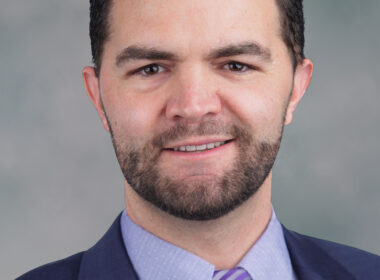
LOS ANGELES–(BUSINESS WIRE)–Sensydia, a medical technology company advancing non-invasive cardiac assessment, today announced the appointment of Rusty Page as President and Chief Operating Officer. Page joins Sensydia from publicly traded Neuronetics, Inc., where he served as SVP, Chief Information & Operations Officer. He brings more than two decades of senior […]

DENVER–(BUSINESS WIRE)–Cleerly, the leader in cardiovascular imaging, and Cardiac Care Alliance, leader in value-based cardiovascular care solutions, today announced a strategic partnership to enhance cardiovascular care delivery across the healthcare ecosystem. This collaboration will integrate Cleerly’s advanced AI-powered coronary artery assessment technology with Cardiac Care Alliance’s cardiovascular care network. This collaboration […]

CardiAMP HF II is Evaluating the CardiAMP™ Cell Therapy Product for Treating Patients with Ischemic Heart Failure of Reduced Ejection Fraction (HFrEF) and Elevated Markers of Cardiac Stress Dr. Amish Raval, Professor of Medicine at the University of Wisconsin School of Medicine and Public Health, to serve as Site Principal Investigator and Co-National Principal Investigator SUNNYVALE, Calif., May 06, 2025 (GLOBE NEWSWIRE) — BioCardia, Inc. [Nasdaq: BCDA], a global leader in cellular and cell-derived therapeutics for the treatment of cardiovascular and pulmonary diseases, announced today that University of Wisconsin in Madison, Wisconsin is now enrolling patients with ischemic HFrEF in the Company’s ongoing pivotal Phase 3 CardiAMP HF II trial. “In CardiAMP HF II, we aim to add to the evidence that this cell therapy can safely and significantly improve survival and quality of life for heart failure patients having elevated NTproBNP, a marker of heart stress, encompassing a large group of patients we see in daily practice,” said Dr. Amish Raval. “Importantly, this minimally invasive autologous approach has shown great results to date, avoids the need for immune suppression, and preserves all therapeutic options including heart transplant for patients.” About the CardiAMP Heart Failure II Study CardiAMP HF II is a 250-patient randomized multicenter procedure placebo-controlled study of the CardiAMP autologous cell therapy as a one-time treatment for patients with ischemic HFrEF on guideline directed medical therapy having elevated NTproBNP. The study is intended to confirm the safety and efficacy results in these patients observed in the CardiAMP HF study. The CardiAMP HF II study uses a similar three-tier composite primary outcome measure to CardiAMP HF, with tier 1 all cause death, tier 2 nonfatal major adverse cardiac events, but with tier 3 using a validated quality of life patient self-assessment instrument. In CardiAMP HF, this composite efficacy endpoint was achieved with statistical significance in the patients with elevated NTproBNP that are the focus of the CardiAMP HF II study (p=0.02). Advances in this therapeutic approach in CardiAMP HF II include using the cell population analysis at screening to define treatment doses, which enables more patients to be eligible for the therapy, and improvements to the Helix system, which include the introduction of the FDA approved Morph DNA steerable platform. About CardiAMP Autologous Cell Therapy Granted FDA Breakthrough designation, CardiAMP Cell Therapy uses a patient’s own bone marrow cells delivered to the heart in a minimally invasive, catheter-based procedure to stimulate the body’s natural healing response to increase capillary density, reduce tissue fibrosis, and ultimately treat microvascular dysfunction. The mechanisms that lead to microvascular dysfunction, including fibrotic, inflammatory, apoptotic, and endothelial dysfunction, are all targets of CardiAMP cell therapy, largely through production of growth factors, cytokines, chemokines, and other factors that directly counteract each of these mechanisms. The CardiAMP clinical development for heart failure is supported by the Maryland Stem Cell Research Fund and is reimbursed by Centers for Medicare and Medicaid Services (CMS). CAUTION – Limited by United States law to investigational use. About BioCardia BioCardia, Inc., headquartered in Sunnyvale, California, is a global leader in cellular and cell-derived therapeutics for the treatment of cardiovascular and pulmonary disease. CardiAMP® autologous and CardiALLO™ allogeneic cell therapies are the Company’s biotherapeutic platforms with three clinical stage product candidates in development. These therapies are enabled by its Helix™ biotherapeutic delivery and Morph® vascular navigation product platforms. For more information visit: www.BioCardia.com. Forward Looking Statements This press release contains forward-looking statements that are subject to many risks and uncertainties. Forward-looking statements include, among other things, references to our investigational product candidates, the potential benefits and mechanism of actions of the CardiAMP cell therapy, enrollment in our clinical trials, and the safety and efficacy of our product candidates and therapies. These forward-looking statements are made as of the date of this press release, and BioCardia assumes no obligation to update the forward-looking statements. We may use terms such as “believes,” “estimates,” “anticipates,” “expects,” “plans,” “intends,” “may,” “could,” “might,” “will,” “should,” “approximately” or other words that convey the uncertainty of future events or outcomes to identify these forward-looking statements. Although we believe that we have a reasonable basis for each forward-looking statement contained herein, we caution you that forward-looking statements are not guarantees of future performance and that our actual results may differ materially from the forward-looking statements contained in this press release. As a result of these factors, we cannot assure you that the forward-looking statements in this press release will prove to be accurate. Additional factors that could materially affect actual results can be found in BioCardia’s Form 10-K filed with the Securities and Exchange Commission on March 26, 2025, under the caption titled “Risk Factors,” and in our subsequently filed Quarterly Reports on Form 10-Q. BioCardia expressly disclaims any intent or obligation to update these forward-looking statements, except as required by law. CONTACT: Media Contact:
Miranda Peto, Investor Relations
Email: mpeto@BioCardia.com
Phone: 650-226-0120
Investor Contact:
David McClung, Chief Financial Officer
Email: investors@BioCardia.com
Phone: 650-226-0120

Two-year data from England’s National Health Service show improved care efficiency with reduction in unnecessary invasive and noninvasive cardiac tests using CCTA and Heartflow FFRCT versus CCTA aloneMOUNTAIN VIEW, Calif., May 06, 2025 (GLOBE NEWSWIRE) — Heartflow, Inc., the leader in AI technology for coronary artery disease (CAD), today announced two-year data from FISH&CHIPS, a real-world, multicenter, retrospective study, conducted by the National Health Service (NHS) in England, were published in Nature Medicine. The study, which analyzed the impact of adding Heartflow fractional flow reserve (FFRCT) derived from coronary computed tomography angiography (CCTA) to a CCTA pathway for the evaluation of CAD, showed improved care efficiency and reduction in unnecessary tests with CCTA+FFRCT versus CCTA alone. “New findings from the FISH&CHIPS study demonstrate that a CCTA+FFRCT pathway at a national level can positively impact individual patient care, improving the suspected coronary artery disease patient’s journey,” said Dr. Timothy Fairbairn, principal investigator for the study, Liverpool Heart and Chest Hospital NHS Foundation Trust, and associate professor at the University of Liverpool, U.K. “FFRCT is a major AI-driven advancement in the management of cardiac disease that is helping to ensure that patients receive more precise, improved care, by reducing unnecessary invasive procedures and additional tests whilst identifying those who need intervention.” The overarching results of the more than 90,000-patient study, covering the breadth of NHS England, showcased the positive impact of a CCTA+FFRCT diagnostic pathway using Heartflow technology versus CCTA alone. Key outcomes outlined in the published data include: The CCTA+FFRCT cohort reduced the need for an invasive coronary angiography (ICA) procedure by 7% and led to a reduction in inappropriate ICA procedures that did not result in treatment by 16%.CCTA+FFRCT helped to identify more patients that would benefit from revascularization, with one additional appropriate percutaneous coronary intervention (PCI) identified for every two negative diagnostic catheterizations that were avoided.CCTA+FFRCT showed a 12% relative reduction in the need for a secondary non-invasive test after CCTA, for example requiring a repeat CCTA or nuclear stress test. “By implementing a nationwide CCTA-first strategy for assessing patients with potential cardiovascular disease, NHS has set the standard for both clinical efficacy and efficiency — an approach now reflected in clinical guidelines worldwide,” said Campbell Rogers, M.D., FACC, Heartflow’s chief medical officer. “The FISH&CHIPS data underscore how the addition of Heartflow’s FFRCT technology can improve upon the CCTA-first approach for many patients and optimize the use of both noninvasive testing and treatment.” Heartflow is the only company to offer a complete non-invasive, precision coronary care platform designed to manage CAD for life. With Heartflow One, a CCTA scan is transformed into a dynamic and personalized 3D model of the heart. Within the platform, Heartflow FFRCT provides lesion-specific physiology, enhancing CCTA’s diagnostic accuracy and helping determine whether there is benefit to revascularization. Heartflow Plaque Analysis leverages AI to quantify and characterize the amount and type of plaque in the coronary arteries to determine appropriate medical management. These advancements provide physicians with more precise, personalized insights into heart health, aiding in treatment planning and identifying individuals at high risk of major adverse cardiovascular events (MACE), such as heart attacks, which can occur in patients with or without symptoms of CAD. Heartflow is dedicated to transforming CAD from the leading cause of death to a disease that can be proactively managed for life by partnering with physicians and institutions to generate robust, high-quality clinical evidence. Heartflow has been adopted by more than 1,400 institutions globally. About FISH&CHIPSFISH&CHIPS is a real-world, multicenter, quasi-experimental observational clinical study designed to assess the incremental impact of adding FFRCT to a CCTA-first diagnostic paradigm for CAD at a national level. The study analyzed data from 27 NHS hospital sites in England, including 90,553 patients followed for at least two years. The primary objective was to determine whether introducing a CCTA+FFRCT diagnostic pathway was clinically useful and safe compared to a standard-of-care CCTA diagnostic chest pain pathway. The study was funded by the UK Medical Research Council (MRC) and supported by the National Institute for Health and Care Research (NIHR) Research Delivery Network. About Heartflow, Inc.Heartflow is advancing coronary care by transforming coronary artery disease into a screenable, diagnosable, and manageable condition. Heartflow One is the only complete, non-invasive, precision coronary care platform providing patient insights throughout the guideline-directed CCTA pathway. The AI-driven platform — including RoadMap™ Analysis, FFRCT Analysis and Plaque Analysis — is supported by the ACC/AHA Chest Pain Guideline and backed by more than 600 peer-reviewed publications. Heartflow has helped clinicians manage over 400,000 patients worldwide. Discover how we’re shaping the future of cardiovascular care at www.heartflow.com. Media ContactElliot Levyelevy@heartflow.com Investor ContactNick Laudiconlaudico@heartflow.com

Asad Shah, M.D. and Timothy Lee, M.D., two nationally esteemed cardiothoracic surgeons join the MemorialCare Heart & Vascular Institute to bring advanced robotic cardiac surgery capabilities to the South Orange County community, helping to fill a gap in care LAGUNA HILLS, Calif., May 5,…

New whitepaper highlights how a relationship with a Primary Care Physician (“PCP”) that uses Counterpart Assistant is associated with better clinical management, and fewer hospitalizations (18% lower) and readmissions (25% lower) in heart failure patients New whitepaper highlights how a relationship with a Primary Care Physician (“PCP”) that uses Counterpart Assistant is associated with better clinical management, and fewer hospitalizations (18% lower) and readmissions (25% lower) in heart failure patients

SOUTH SAN FRANCISCO, Calif., May 01, 2025 (GLOBE NEWSWIRE) — Cytokinetics, Incorporated (Nasdaq: CYTK) today announced that the U.S. Food and Drug Administration (FDA) has extended the Prescription Drug User Fee Act (PDUFA) action date for the New Drug Application (NDA) for aficamten for the treatment of patients with obstructive hypertrophic cardiomyopathy (oHCM) to December 26, 2025. The FDA recently notified Cytokinetics that additional time is required to conduct a full review of the company’s proposed Risk Evaluation and Mitigation Strategy (REMS). Following pre-NDA discussions with FDA in which safety and risk mitigation were discussed, Cytokinetics submitted the NDA for aficamten in oHCM without an accompanying REMS, and the FDA accepted the NDA for filing. Recently, during the NDA review, the FDA requested that Cytokinetics submit a REMS, based on the inherent characteristics of aficamten, which the company provided. The submission of a REMS has now been determined by FDA to be a Major Amendment to the NDA resulting in a standard three-month extension to the original PDUFA action date. No additional clinical data or studies have been requested of Cytokinetics by FDA. “We remain confident in the distinct benefit-risk and pharmaceutic profile of aficamten and continue to expect a differentiated label and risk mitigation profile upon its potential approval by FDA,” said Robert I. Blum, Cytokinetics’ President and Chief Executive Officer. “We look forward to continuing our constructive engagement with the FDA regarding the NDA for aficamten.” About Cytokinetics Cytokinetics is a specialty cardiovascular biopharmaceutical company, building on its over 25 years of pioneering scientific innovations in muscle biology to advance a pipeline of potential new medicines for patients suffering from diseases of cardiac muscle dysfunction. Cytokinetics is readying for potential regulatory approvals and commercialization of aficamten, a cardiac myosin inhibitor following positive results from SEQUOIA-HCM, the pivotal Phase 3 clinical trial in patients with obstructive hypertrophic cardiomyopathy (HCM). Aficamten is also being evaluated in additional clinical trials enrolling patients with obstructive and non-obstructive HCM. Cytokinetics is also developing omecamtiv mecarbil, a cardiac myosin activator, in patients with heart failure with severely reduced ejection fraction (HFrEF), CK-586, a cardiac myosin inhibitor with a mechanism of action distinct from aficamten, for the potential treatment of heart failure with preserved ejection fraction (HFpEF) and CK-089, a fast skeletal muscle troponin activator with potential therapeutic application to a specific type of muscular dystrophy and other conditions of impaired skeletal muscle function. For additional information about Cytokinetics, visit www.cytokinetics.com and follow us on X, LinkedIn, Facebook and YouTube. Forward-Looking Statements This press release contains forward-looking statements for purposes of the Private Securities Litigation Reform Act of 1995 (the “Act”). Cytokinetics claims the protection of the Act’s Safe Harbor for forward-looking statements. Examples of such statements include, but not limited to, statements, express or implied, relating to our receipt of regulatory approval by FDA or any other regulatory authority to enable our commercialization of aficamten in the United States or any other jurisdiction by the target PDUFA date or any other date, if ever, and statements regarding our expectation that aficamten will be approved with a differentiated label and REMS. Such statements are based on management’s current expectations, but actual results may differ materially due to various risks and uncertainties, including FDA’s on-going review of our NDA for aficamten in obstructive hypertrophic cardiomyopathy. For further information regarding these and other risks related to Cytokinetics’ business, investors should consult Cytokinetics’ filings with the Securities and Exchange Commission, particularly under the caption “Risk Factors” in Cytokinetics’ Annual Report on Form 10-K for the year ended December 31, 2024. Any forward-looking statements that Cytokinetics makes in this press release speak only as of the date of this press release. Cytokinetics assumes no obligation to update its forward-looking statements whether as a result of new information, future events or otherwise, after the date of this press release. CYTOKINETICS® and the CYTOKINETICS and C-shaped logo are registered trademarks of Cytokinetics in the U.S. and certain other countries. Contact:Cytokinetics Diane WeiserSenior Vice President, Corporate Affairs(415) 290-7757

Move expected to drive both top-line growth and gross margin improvement SILVER SPRING, Md., May 01, 2025 (GLOBE NEWSWIRE) — Elutia Inc. (Nasdaq: ELUT) (“Elutia” or the “Company”), a pioneer in drug-eluting biomatrix products, today announced it is reclaiming U.S. sales and distribution responsibilities for its cardiovascular portfolio—including ProxiCor®, VasCure®, and Tyke®—following the conclusion of its distribution agreement with LeMaitre Vascular, Inc. The move allows Elutia to directly capture top-line revenue and should improve the gross margin and profitability of this product segment. Elutia has appointed Dwayne Montgomery as Head of Cardiovascular to lead this newly established business unit. A seasoned commercial executive, Mr. Montgomery brings proven senior leadership experience from Osiris Therapeutics, Smith & Nephew, Guidant, and C.R. Bard. Under Mr. Montgomery’s leadership, Elutia has recruited and mobilized a high-performing team of 26 independent (1099) sales representatives specifically for the cardiovascular line. Operating independently from the EluPro™ commercial organization, this focused structure allows both commercial teams to stay laser-focused on their respective missions. With training of the cardiovascular team now complete, Elutia has commenced direct sales as part of a coordinated transition of accounts from LeMaitre, ensuring continuity and minimizing disruption for customers. “While we’re grateful for our partnership with LeMaitre, bringing this asset back in-house allows us to fully unlock its value,” said Dr. Randy Mills, CEO of Elutia. “Direct control over sales to the end user allows us to sharpen our execution, drive top-line growth, improve profitability and cash flow, and gives us greater strategic flexibility. Under Dwayne’s leadership, the team has already made impressive progress—and we’re just getting started.” Elutia’s cardiovascular portfolio is expected to deliver approximately 80% gross margins and maintain a premium price position in the market. The Company also expects growth at the top-line. In 2024, sales of cardiovascular products accounted for $2.9 million, or about 12%, of total revenue. Unlike synthetic grafts, these regenerative biomatrix products promote a healthy immune response and avoid the typical foreign body reaction associated with synthetics. The portfolio includes: ProxiCor® PC, for pericardial closure; ProxiCor® CTR, for cardiac tissue repair; Tyke®, the only extracellular matrix cleared for neonatal and infant patch, pledget, and intracardiac repair; and VasCure®, for vascular repair. About Elutia Elutia develops and commercializes drug-eluting biomatrix products to improve compatibility between medical devices and the patients who need them. With a growing population in need of implantable technologies, Elutia’s mission is humanizing medicine so patients can thrive without compromise. For more information, visit www.Elutia.com. Forward Looking Statements This press release contains “forward-looking statements” within the meaning of Section 27A of the Securities Act of 1933, as amended, and Section 21E of the Securities Exchange Act of 1934, as amended. Forward-looking statements can be identified by words such as “projects,” “may,” “will,” “could,” “would,” “should,” “believes,” “expects,” “anticipates,” “estimates,” “intends,” “plans,” “potential,” “promise” or similar references to future periods. All statements contained in this press release that do not relate to matters of historical fact should be considered forward-looking statements. Forward-looking statements contained in this press release include, without limitation, any statements we make regarding: improving future results of our cardiovascular portfolio by assuming sales responsibility for it, including any predictions as to future revenues, pricing or gross margins of our cardiovascular products; the timing of commencement of sales through our independent sales force; and the efficiency of the transition. . These forward-looking statements are based on our management’s beliefs and assumptions and on information currently available to us. Such beliefs and assumptions may or may not prove to be correct. Additionally, such forward-looking statements are subject to a number of known and unknown risks, uncertainties and other important factors that may cause our actual results, performance or achievements to be materially different from any future results, performance or achievements expressed or implied in the forward-looking statements, including, but not limited to the following: our dependence on our commercial partners and independent sales agents to generate a substantial portion of our net sales; our ability to successfully commercialize, market and sell our products; our ability to continue as a going concern; our ability to achieve or sustain profitability; the risk of product liability claims and our ability to obtain or maintain adequate product liability insurance; our ability to defend against the various lawsuits and claims related to our recalled FiberCel and other viable bone matrix products and avoid a material adverse financial consequence from those lawsuits and claims; our ability to prevail in lawsuits and claims seeking indemnity, contribution and insurance coverage for FiberCel and other viable bone matrix product liabilities; the continued and future acceptance of our products by the medical community; our ability to enhance our products, expand our product indications and develop, acquire and commercialize additional product offerings; our dependence on a limited number of third-party suppliers and manufacturers, which, in certain cases are exclusive suppliers for products essential to our business; our ability to successfully realize the anticipated benefits of the sale of our Orthobiologics business; physician awareness of the distinctive characteristics, benefits, safety, clinical efficacy and cost-effectiveness of our products; our ability to compete against other companies, most of which have longer operating histories, more established products and/or greater resources than we do; pricing pressure as a result of cost-containment efforts of our customers, purchasing groups, third-party payors and governmental organizations could adversely affect our sales and profitability; our ability to obtain regulatory approval or other marketing authorizations by the FDA and comparable foreign authorities for our products and product candidates; our ability to obtain, maintain and adequately protect our intellectual property rights; and other important factors which can be found in the “Risk Factors” section of Elutia’s public filings with the Securities and Exchange Commission (“SEC”), including Elutia’s Annual Report on Form 10-K for the year ended December 31, 2024, as such factors may be updated from time to time in Elutia’s other filings with the SEC, accessible on the SEC’s website at www.sec.gov and the Investor Relations page of Elutia’s website at https://investors.elutia.com. Because forward-looking statements are inherently subject to risks and uncertainties, you should not rely on these forward-looking statements as predictions of future events. Any forward-looking statement made by Elutia in this press release is based only on information currently available and speaks only as of the date on which it is made. Except as required by applicable law, Elutia expressly disclaims any obligations to publicly update any forward-looking statements, whether written or oral, that may be made from time to time, whether as a result of new information, future developments or otherwise. Investors:Matt SteinbergFINN Partnersmatt.steinberg@finnpartners.com This press release was published by a CLEAR® Verified individual.

SUNNYVALE, Calif., May 01, 2025 (GLOBE NEWSWIRE) — BioCardia, Inc. [NASDAQ: BCDA], a global leader in cellular and cell-derived therapeutics for the treatment of cardiovascular and pulmonary diseases, today announced the first patient enrolled in the Phase III randomized procedure placebo-controlled double-blind CardiAMP HF II clinical trial of the Company’s lead autologous cell therapy program for the treatment of heart failure at BayCare Morton Plant Hospital in Clearwater, Florida. “We are excited to lead enrollment in the CardiAMP HF II trial and be able to offer this cell therapy study to our heart failure patients. This investigational therapy has been shown to enhance microvascular function and demonstrated promising clinical outcomes in the recently completed CardiAMP HF Trial, particularly for the patients we are targeting for this trial,” said Dr. Leslie Miller, M.D., Chief of the Congestive Heart Failure and Heart Function Clinic at BayCare Morton Plant Hospital in Clearwater, Florida. Dr. Miller is also a CardiAMP HF II Trial Principal Investigator and member of the Executive Steering Committee. “The unique ability to personalize this treatment based on a patient’s own cellular characteristics make CardiAMP cell therapy attractive for treating heart failure. The approach preserves all therapeutic options for our patients, including repeated cell therapy, and avoids the need for immune suppression. I congratulate and thank our team at Morton Plant Hospital for achieving this important milestone in enrolling the first patient in the world’s first confirmatory Phase 3 cardiac cell therapy trial for heart failure.” “Our first CardiAMP HF II study procedure went smoothly and per protocol,” said Dr. Rakesh Sharma, M.D., Interventional Cardiologist at BayCare Morton Plant Hospital in Clearwater, and CardiAMP HF II investigator. “Our efforts in cardiac cell therapy over many years have supported the potential of this CardiAMP cell therapy where cells are harvested, processed, and delivered into the heart muscle by our research team. I value the Helix minimally invasive cell intramyocardial delivery platform for its ability to enable targeting of specific segments in the heart with confidence and find the new Morph DNA steerable navigation catheter to be an elegant enhancement.” “We are thankful for the BayCare Morton Plant team led by Dr. Miller and Dr. Sharma as well as the many other world-class clinical teams engaged in the CardiAMP cell therapy trials,” said Peter Altman, PhD, BioCardia President and Chief Executive Officer. “We are preparing regulatory submissions in Japan and the USA intended to seek separate approvals of the CardiAMP cell therapy and Helix biotherapeutic delivery platform based on our existing TABMMI1, TAC-HFT2,3, and CardiAMP HF4 clinical data. The CardiAMP HF II trial is intended to collect confirmatory evidence to support this autologous cell therapy with respect to approvals, adoption, and reimbursement.” About the CardiAMP Heart Failure II Study CardiAMP HF II is a 250-patient randomized multicenter procedure placebo-controlled study of the CardiAMP autologous cell therapy as a one-time treatment for patients with ischemic heart failure with reduced ejection fraction (HFrEF) on guideline directed medical therapy having elevated NTproBNP. The study is intended to confirm the safety and efficacy results in these patients observed in the CardiAMP HF study4. The CardiAMP HF II study uses a similar three-tier composite primary outcome measure to CardiAMP HF, with tier 1 all cause death, tier 2 nonfatal major adverse cardiac events, but with tier 3 using a validated quality of life patient self-assessment instrument. In CardiAMP HF, this composite efficacy endpoint was achieved with statistical significance in the patients with elevated NTproBNP that are the focus of the CardiAMP HF II study (p=0.02). Advances in this therapeutic approach in CardiAMP HF II include using the cell population analysis at screening to define treatment doses, which enables more patients to be eligible for the therapy, and improvements to the Helix system, which include the introduction of the FDA approved Morph DNA steerable platform. About CardiAMP Autologous Cell Therapy Granted FDA Breakthrough designation, CardiAMP Cell Therapy uses a patient’s own bone marrow cells delivered to the heart in a minimally invasive, catheter-based procedure to potentially stimulate the body’s natural healing response to increase capillary density, reduce tissue fibrosis, and ultimately treat microvascular dysfunction. The mechanisms that lead to microvascular dysfunction, including fibrotic, inflammatory, apoptotic, and endothelial autonomic dysfunction, are all targets of CardiAMP cell therapy, largely through production of growth factors, cytokines, chemokines, and other factors that directly counteract each of these mechanisms. The CardiAMP clinical development for heart failure is supported by the Maryland Stem Cell Research Fund and is reimbursed by Centers for Medicare and Medicaid Services (CMS). CAUTION – Limited by United States law to investigational use. About BioCardia BioCardia, Inc., headquartered in Sunnyvale, California, is a global leader in cellular and cell-derived therapeutics for the treatment of cardiovascular and pulmonary disease. CardiAMP® autologous and CardiALLO™ allogeneic cell therapies are the Company’s biotherapeutic platforms with three clinical stage product candidates in development. These therapies are enabled by its Helix™ biotherapeutic delivery and Morph® vascular navigation product platforms. For more information visit: www.BioCardia.com. Forward Looking Statements This press release contains forward-looking statements that are subject to many risks and uncertainties. Forward-looking statements include, among other things, references to our investigational product candidates, the potential benefits and mechanism of actions of the CardiAMP cell therapy, future regulatory approvals, enrollment in our clinical trials, and the safety and efficacy of our product candidates and therapies. These forward-looking statements are made as of the date of this press release, and BioCardia assumes no obligation to update the forward-looking statements. We may use terms such as “believes,” “estimates,” “anticipates,” “expects,” “plans,” “intends,” “may,” “could,” “might,” “will,” “should,” “approximately” or other words that convey the uncertainty of future events or outcomes to identify these forward-looking statements. Although we believe that we have a reasonable basis for each forward-looking statement contained herein, we caution you that forward-looking statements are not guarantees of future performance and that our actual results may differ materially from the forward-looking statements contained in this press release. As a result of these factors, we cannot assure you that the forward-looking statements in this press release will prove to be accurate. Additional factors that could materially affect actual results can be found in BioCardia’s Form 10-K filed with the Securities and Exchange Commission on March 26, 2025, under the caption titled “Risk Factors,” and in our subsequently filed Quarterly Reports on Form 10-Q. BioCardia expressly disclaims any intent or obligation to update these forward-looking statements, except as required by law. References: de la Fuente LM, Stertzer SH, Argentieri J, et al. Transendocardial autologous bone marrow in myocardial infarction induced heart failure, two-year follow-up in an open-label phase I safety study (the TABMMI study). EuroIntervention. 2011 Nov;7(7):805-12.Heldman AW, DiFede DL, Fishman JE, et al. Transendocardial mesenchymal stem cells and mononuclear bone marrow cells for ischemic cardiomyopathy: the TAC-HFT randomized trial. JAMA. 2014 Jan 1;311(1):62-73.Wong Po Foo et al., The transendocardial autologous cells in ischemic heart failure trial bone marrow mononuclear cells (TAC-HFT-BMC) randomized placebo controlled blinded study, Regenerative Medicine 2015, 10(7s), S169.Raval A, on behalf of the CardiAMP HF Investigators. A Double-blind, Randomized Controlled Trial of an Autologous Cell Therapy in Patients with HFrEF: Principal Results from the CardiAMP-HF Trial, American College of Cardiology Scientific Sessions, March 30, 2025. Media Contact: Miranda Peto, Investor RelationsEmail: mpeto@BioCardia.comPhone: 650-226-0120 Investor Contact: David McClung, Chief Financial OfficerEmail: investors@BioCardia.comPhone: 650-226-0120


