Coronary/Structural Heart

The Lancet Publishes Results from World’s Largest Coronary CT Registry Showing New AI Technology Can Predict Cardiac Events Due to Coronary Inflammation At Least 10 Years in Advance

OXFORD, England, May 30, 2024 /PRNewswire/ — Caristo Diagnostics Limited, a global leader in cardiovascular disease diagnostics and risk prediction, announced the results of a landmark clinical study published in The Lancet that support the ability of Caristo’s CaRi-Heart® AI technology to quantify coronary artery inflammation and accurately predict cardiac events.
This landmark study, titled “Inflammatory risk and cardiovascular events in patients without obstructive coronary artery disease: the ORFAN multicentre, longitudinal cohort study,” analysed results from the first 40,000 patients enrolled in the “ORFAN” registry, the world’s largest study that evaluates coronary computed tomography angiography (CCTA) imaging biomarkers in predicting long-term cardiovascular outcomes.
Key study findings include:

Among patients undergoing CCTA, more than 80% did not have obstructive coronary artery disease (CAD) at the time of imaging, but twice as many fatal and non-fatal cardiac events occurred in that group
Coronary inflammation, as measured by Caristo’s CaRi-Heart FAI-ScoreTM, predicted fatal and non-fatal cardiac events (including heart attack and new heart failure), independently from traditional risk factors, routine clinical CCTA interpretation, calcium scoring and plaque quantification, at least 10 years in advance
Even among the 50% of patients who had no or minimal coronary plaque at the time of the initial CCTA, those with the most abnormal FAI-Score results experienced a 9.5-fold higher risk for cardiac mortality and 5.5-fold higher risk for major adverse cardiac events (MACE)
Caristo’s AI-Risk model, CaRi-Heart Risk Score, outperformed other scores in routine clinical use for prediction of cardiac mortality, and when presented to clinicians, resulted in changes of management decision in 45% of the patients. Most changes were due to clinicians’ decision to target the previously undetected coronary inflammation.

“The ORFAN study is an expanding global registry which will include long-term clinical and outcome data for 250,000 patients from around the world, and we are very pleased to publish these initial results,” said Keith Channon, MD, Professor of Cardiovascular Medicine at the University of Oxford, Caristo’s Chief Medical Officer, and co-author of The Lancet publication. “Coronary inflammation is a crucial piece of the puzzle in predicting heart attack risk. We are excited to discover that CaRi-Heart results performed exceptionally well in predicting patient cardiac events. This tool is well positioned to help clinicians identify high-risk patients with seemingly ‘normal’ CCTA scans.”
Ron Blankstein, MD, Professor of Medicine and Radiology at Harvard Medical School, Director of Cardiac Computed Tomography at Brigham and Women’s Hospital, and co-author of the publication, commented: “This study, which represents one of the largest studies in the field of CCTA, has important implications for the field of preventive cardiology. I am excited about the potential of the FAI-Score biomarker, which has promising prognostic value beyond existing CT-based methods such as plaque, calcium scoring, and CAD-RADS based interpretation.”  
The study underlines the need for a robust risk prediction tool that can identify vulnerable patients with inflamed coronary arteries, particularly in those without obstructive CAD. This approach would transform CCTA from a test used to triage a minority of patients for further intervention into a prevention tool that guides management for all patients undergoing CCTA.
SCCT Webinar to Feature Study Co-Authors on June 27:
On June 27 at 11am EDT, the Society of Cardiovascular Computed Tomography (SCCT) will host a webinar on The Lancet publication findings to be presented by the lead author, Prof. Charalambos Antoniades, and joined by several co-authors (Prof. Channon, Prof. Stefan Neubauer, Prof. Ed Nicol, Prof. Blankstein and Prof. Milind Desai). The webinar will present the key results from The Lancet publication along with a panel discussion on the implications of this landmark study. Check www.caristo.com in early June for the webinar registration link.
Caristo’s patented CaRi-Heart technology marks a scientific breakthrough that is radically transforming the traditional approach to heart disease prediction, prevention and management. The technology applies advanced AI algorithms to routine coronary computed tomography angiography (CCTA) scans to visualize and quantify coronary inflammation, the otherwise invisible disease mechanism responsible for many fatal heart attacks and strokes. Prior to this publication by The Lancet, earlier validation results showing CaRi-Heart technology’s ability to aid the prediction of heart attacks were published in leading medical journals including the Lancet, JACC, European Heart Journal, and Cardiovascular Research.
The CaRi-Heart® technology is in clinical use in the UK, European Union, and Australia.
About Caristo Diagnostics Limited
Caristo Diagnostics is a global leader in cardiac and vascular disease diagnostics and risk prediction. Founded in 2018 as a spin-out company from the University of Oxford, the world’s #1 research university, Caristo has developed a portfolio of imaging-based and AI-assisted platforms that can be applied to aid the prediction and diagnosis of heart attack, stroke, and diabetes. Caristo has been recognized by Newsweek as one of the best digital health companies, and highlighted by Nature as one of the most exciting science-based companies to have emerged from academic labs. Find Caristo online on its website, LinkedIn and X.
Logo: https://mma.prnewswire.com/media/2054669/4734272/Caristo_Logo.jpg
ContactFrank Cheng, Caristo Diagnostics CEO[email protected]
SOURCE Caristo Diagnostics

Beckman Coulter Secures FDA Clearance for Heart Failure Assay on DxI 9000 Immunoassay Analyzer

New Access NT-proBNP Assay Detects Heart Failure Biomarker in Less than 11 Minutes Patient Results Evaluated Within Context of Clinically RelevantAge-Based Cutoffs, Disease Comorbidity Data and Gender ParametersBREA, Calif., May 29, 2024 /PRNewswire/ — Beckman Coulter, a global leader in clinical diagnostics, today announced U.S. Food and Drug Administration clearance of its Access NT-proBNP (N-terminal Pro B-type Natriuretic Peptide) assay for the assessment of heart failure in less than 11 minutes on the Beckman Coulter DxI 9000 Immunoassay Analyzer*. The Access NT-proBNP assay aids in diagnosing patients suspected of having acute heart failure in emergency departments as well as assessing the severity and risk stratification of patients with heart failure and acute coronary syndrome.

Continue Reading

The award-winning DxI 9000 Immunoassay Analyzer sets a new standard for today’s busy labs addressing today’s speed, reliability, reproducibility, quality, and menu expansion demands.

According to the Heart Failure Society of America, nearly 6.5 million Americans over the age of 20 have heart failure, accounting for approximately 8.5% of all heart disease deaths in the United States. Beckman Coulter’s Access NT-proBNP assay measures concentrations of N-terminal pro B-type natriuretic peptide in serum or plasma that originates in a person’s heart. High levels of natriuretic peptides can indicate heart failure.  

As recommended in the latest heart failure guidelines from the American College of Cardiology and the American Heart Association, the Access NT-proBNP assay provides age-based cutoffs for diagnosis of heart failure to ensure results are evaluated in the appropriate clinical context for each patient. In addition to age, other patient factors such as gender, obesity and kidney failure can affect natriuretic peptide levels. The Access NT-proBNP assay provides clinical performance information for these subsets of patients to assist clinicians’ sample data interpretation and diagnoses.
“We continue to be excited by the quality, sensitivity and specificity of the assays being developed for DxI 9000 Analyzer,” Kathleen Orland, Senior Vice President, General Manager, Chemistry, and Immunoassay for Beckman Coulter.  “FDA clearance of the Access NT-proBNP assay is just the latest confirmation of the platform’s capability to develop ever increasingly more sensitive and clinically relevant diagnostics. The combination of DxI 9000 Analyzer’s expanding menu of assays and its operational excellence, highlighted by ZeroDaily Maintenance, PrecisionVision Technology, and IntelliServe is driving laboratory demand around the globe.”  About Beckman Coulter. Inc. A global leader in advanced diagnostics, Beckman Coulter has challenged convention to elevate the diagnostic laboratory’s role in improving patient health for more than 80 years. Our mission is to Relentlessly Reimagine Healthcare, One Diagnosis at a Time – and we do this by applying the power of science, technology and the passion and creativity of our teams. Our diagnostic solutions are used in complex clinical testing, and are found in hospitals, reference laboratories and physician office settings around the globe. We exist to deliver smarter, faster diagnostic solutions that move the needle forward from what’s now to what’s next. We seek to accelerate care with an extensive clinical menu, scalable lab automation technologies, insightful clinical informatics, and optimize lab performance services. Headquartered in Brea, Calif., with more than 11,000 global team members, Beckman Coulter Diagnostics is proud to be part of Danaher.  Danaher is a global science and technology leader. Together we combine our capabilities to accelerate the real-life impact of tomorrow’s science and technology to improve human health.Follow and connect with Beckman Coulter Diagnostics via LinkedIn, X, and Facebook.*Full name DxI 9000 Access Immunoassay Analyzer© 2024 Beckman Coulter. All rights reserved. Beckman Coulter, the stylized logo, and the Beckman Coulter product and service marks mentioned herein are trademarks or registered trademarks of Beckman Coulter, Inc. in the United States and other countries. 2024-12984.SOURCE Beckman Coulter Diagnostics

Philips expands global access to its ground-breaking 3D intracardiac echocardiography to Hong Kong

Philips expands global access to its ground-breaking 3D intracardiac echocardiography to Hong Kong Hong Kong selected as the pioneering international location for integrating Philips’ VeriSight Pro 3D Intracardiac Echocardiography (ICE) catheter into routine clinical practice International roll-out underscores Philips’ commitment to driving healthcare innovation and enhancing patient outcomes worldwide Amsterdam, […]

Terumo Cardiovascular Announces 510(K) Clearance for the CDI OneView™ Monitoring System

All-new modular, expandable design displays up to 22 vital patient parameters with real-time convenienceANN ARBOR, Mich., May 28, 2024 /PRNewswire/ — Terumo Cardiovascular, a global leader in cardiovascular surgery technologies, today announced that the U.S. Food and Drug Administration (FDA) has granted 510(k) clearance for the CDI OneView Monitoring System. The next-generation CDI Systems platform provides visibility of key patient parameters during cardiopulmonary bypass surgery, critical to perfusion safety and improving patient outcomes.

Continue Reading

Built on decades of proven technology, Terumo’s new CDI OneView System delivers exceptional performance and convenience for real-time decision making in the cardiovascular operating room. The CDI OneView System measures or displays up to 22 vital patient parameters — including oxygen delivery, cardiac index, area under the indexed oxygen delivery curve, oxygen extraction ratio and measured flow.

The new CDI OneView System measures or displays up to 22 key parameters, the newest of which are measured flow (Q), cardiac index (CI), regional cerebral oxygen saturation (rSO2), oxygen extraction ratio (O2ER), Area Under the DO2 Curve (AUC), and measured arterial oxygen saturation (SaO2).  

This innovative system offers maximum configurability and flexibility in how the parameters can be viewed and prioritized to best suit clinical needs and preferences, while continuing to provide the critical information on which clinicians have come to rely.
“The world’s leading cardiac centers have trusted CDI Systems for over 30 years. With the launch of the new CDI OneView System, Terumo Cardiovascular continues to bring value and enhanced patient care to healthcare providers and critically ill cardiac patients,” said Robert DeRyke, President and CEO of Terumo Cardiovascular.  “The CDI OneView System technology is the latest extension of Terumo’s commitment to delivering data-focused solutions to the perfusion community.”  New features and functions of Terumo’s latest patient parameter monitoring system were influenced by extensive perfusionist input from leading global cardiovascular institutions. In response to the growing needs of healthcare providers, the new CDI OneView System now provides real-time O2ER, CI, VO2 and DO2 information to help perfusionists maintain a safe threshold for those parameters. Independently published and reviewed clinical research indicates that maintaining optimal levels during cardiopulmonary bypass can help to reduce the incidence of acute kidney injury.1, 2About Terumo Cardiovascular Terumo Cardiovascular manufactures and markets medical devices for cardiac and vascular surgery with an emphasis on cardiopulmonary bypass and intra-operative monitoring. The company is headquartered in Ann Arbor, Michigan, with manufacturing operations in the U.S., Asia, and Latin America. It is one of several subsidiaries of Terumo Corporation of Japan that is focused exclusively on cardiovascular surgery specialties. For more information, visit www.terumocv.comAbout Terumo Corporation Terumo (TSE: 4543) is a global leader in medical technology and has been committed to “Contributing to Society through Healthcare” for 100 years. Based in Tokyo and operating globally, Terumo employs more than 30,000 associates worldwide to provide innovative medical solutions in more than 160 countries and regions. The company started as a Japanese thermometer manufacturer, and has been supporting healthcare ever since. Now, its extensive business portfolio ranges from vascular intervention and cardio-surgical solutions, blood transfusion and cell therapy technology, to medical products essential for daily clinical practice such as transfusion systems, diabetes care, and peritoneal dialysis treatments. Terumo will further strive to be of value to patients, medical professionals, and society at large. All brand names are trademarks or registered trademarks owned by TERUMO CORPORATION, its affiliates, or unrelated third parties.Refer to this device’s Instructions For Use (IFU) for full prescribing information, including indications, contraindications, warnings, precautions and adverse events.9065361.  Oshita, T et al. A Better Predictor of Acute Kidney Injury After Cardiac Surgery: The Largest Area Under the Curve Below the Oxygen Delivery Threshold During Cardiopulmonary Bypass. J Am Heart Assoc. 2020;9: e015566. DOI: 10.1161/JAHA.119.015566.2.  Condello, I, etal. Association between oxygen delivery and cardiac index with hyperlactatemia during cardiopulmonary bypass. JTCVS Techniques. 2020; Vol 2: 92-99.SOURCE Terumo Cardiovascular

BridgeBio Pharma to Present Additional Analyses from the Phase 3 ATTRibute-CM Study of Acoramidis in Patients with Transthyretin Amyloid Cardiomyopathy (ATTR-CM) at the 2024 ISA Meeting

– BridgeBio to host investor call on Wednesday, May 29, 2024 at 5:30 pm ET, with presentations from Mathew Maurer, M.D. of Columbia University Irving Medical Center, U.S. and Ahmad Masri, M.D., M.S. of Oregon Health & Science University, U.S. PALO ALTO, Calif., May 24, 2024 (GLOBE NEWSWIRE) — BridgeBio Pharma, Inc. (Nasdaq: BBIO) (“BridgeBio” or the “Company”), a commercial-stage biopharmaceutical company focused on genetic diseases and cancers, announced today that 12 oral and moderated poster presentations will be shared at the 2024 International Symposium on Amyloidosis (ISA), taking place in Rochester, Minnesota on May 26 – 30, 2024. BridgeBio will also host an investor call on May 29, 2024, at 5:30 pm ET to discuss the recent analyses and positive data from the ATTRibute-CM Phase 3 trial and emerging real-world evidence in ATTR-CM. The investor call will include presentations from Mathew Maurer, M.D. of Columbia University Irving Medical Center and Ahmad Masri, M.D., M.S. of Oregon Health & Science University. To access the oral presentations and moderated poster presentations following the Company’s participation at the 2024 ISA, please visit investor.bridgebio.com/presentations. Oral presentation and moderated poster presentation details: Acoramidis impact on clinical outcomes: Early increase in serum transthyretin level is an independent predictor of improved survival in ATTR cardiomyopathy: Insights from the acoramidis phase 3 study ATTRibute-CM Presenter: Mathew Maurer, M.D., Columbia University Irving Medical Center, U.S.Moderated poster presentation date & time: Wednesday, May 29 at 10:00 am CT Acoramidis treatment-related increase in serum TTR is associated with lower cardiovascular mortality in ATTR-CM: Insights from ATTRibute-CMPresenter: Nitasha Sarswat, M.D., University of Chicago Medicine, U.S.Moderated poster presentation date & time: Wednesday, May 29 at 10:00 am CT Acoramidis treatment-related increase in serum TTR is associated with a lower risk of cardiovascular hospitalization in ATTR-CM patients: Insights from the ATTRibute-CM trial  Presenter: Margot Davis, M.D., Vancouver General Hospital, CAOral presentation date & time: Wednesday, May 29 at 10:30 am CT Acoramidis achieves early reduction in cardiovascular death or hospitalization in transthyretin amyloid cardiomyopathy (ATTR-CM): Results from the ATTRibute-CM clinical trialPresenter: Kevin M. Alexander, M.D., Stanford University School of Medicine, U.S.Oral presentation date & time: Wednesday, May 29 at 10:30 am CT Higher risk of mortality in previously hospitalized patients: Insights from ATTRibute-CMPresenter: John Whang, M.D., Chief Medical Affairs Officer of BridgeBio Cardiorenal, presenting on behalf of authorsModerated poster presentation date & time: Wednesday, May 29 at 10:00 am CT Acoramidis improves clinical outcomes in transthyretin amyloid cardiomyopathy [Encore]Presenter: Daniel Judge, M.D., Medical University of South Carolina, U.S.Moderated poster presentation date & time: Wednesday, May 29 at 10:00 am CT ATTRibute-CM: ITT sensitivity analysis and sub-analysis comparing acoramidis and placebo in stage 4 CKD [Encore]Presenter: Julian D. Gillmore, M.D., Ph.D., University College London’s Centre for Amyloidosis, UKModerated poster presentation date & time: Wednesday, May 29 at 10:00 am CT Acoramidis impact on quality of life: Health-related quality of life in patients with symptomatic transthyretin amyloid cardiomyopathy treated with acoramidis: an EQ-5D analysis from the ATTRibute-CM study [Encore] Presenter: Mazen Hanna, M.D., Cleveland Clinic, U.S.Moderated poster presentation date & time: Wednesday, May 29 at 10:00 am CT Improved health-related quality of life in acoramidis-treated patients with ATTR-CM, demonstrated by improvements in KCCQ scores [Encore]Presenter: Brett W. Sperry, M.D., Saint Luke’s Health System, U.S.Moderated poster presentation date & time: Wednesday, May 29 at 10:00 am CT Acoramidis impact on biomarkers of clinical relevance in ATTR-CM: Acoramidis significantly improves NT-proBNP indices that indicate ATTR-CM disease progression and predict subsequent mortality: Insights from the ATTRibute-CM study [Encore] Presenter: Michel Khouri, M.D., Duke University Medical Center, U.S.Moderated poster presentation date & time: Wednesday, May 29 at 10:00 am CT Acoramidis treatment effects reflected in structural and functional measures by cardiac magnetic resonance imaging: Acoramidis may improve cardiac function and promote regression in ATTR-CM: Data from the ATTRibute-CM cardiac magnetic resonance (CMR) substudy [Encore] Presenter: Jean-Francois Tamby, M.D., M.B.A., VP of Clinical Development at BridgeBio, U.S.Moderated poster presentation date & time: Wednesday, May 29 at 10:00 am CT Acoramidis and transthyretin amyloidosis prevention:   Rationale & design of ACT-EARLY, the acoramidis transthyretin amyloidosis prevention trial Poster presenter: Pablo Garcia-Pavia, M.D., Ph.D., Iron Gate Majadahonda University Hospital, ESModerated poster presentation date & time: Wednesday, May 29 at 10:00 am CT Webcast informationBridgeBio will host an investor call and simultaneous webcast to discuss the recent analyses and positive data from the ATTRibute-CM Phase 3 trial and emerging real-world evidence in ATTR-CM presented at the 2024 ISA, ESC Heart Failure 2024 and the 2024 ACC Annual Scientific Sessions & Expo on Wednesday, May 29 at 5:30 pm ET. A link to the webcast may be accessed from the event calendar page of BridgeBio’s website at https://investor.bridgebio.com/. A replay of the conference call and webcast will be archived on the Company’s website and will be available for at least 30 days following the event. About BridgeBio Pharma, Inc.BridgeBio Pharma Inc. (BridgeBio) is a commercial-stage biopharmaceutical company founded to discover, create, test and deliver transformative medicines to treat patients who suffer from genetic diseases and cancers with clear genetic drivers. BridgeBio’s pipeline of development programs ranges from early science to advanced clinical trials. BridgeBio was founded in 2015 and its team of experienced drug discoverers, developers, and innovators are committed to applying advances in genetic medicine to help patients as quickly as possible. For more information visit bridgebio.com and follow us on LinkedIn and Twitter. BridgeBio Media Contact:Vikram Balicontact@bridgebio.com (650)-789-8220

Karoo Health and Heartbeat Health Team Up to Create First National, Scalable, End-to-end Cardiac Value-based Care Solution

With cardiac care becoming increasingly cursory and difficult to access, the integration of Heartbeat’s decentralized cardiovascular care with Karoo’s value-based model of care and proprietary technology creates a one-of-a-kind solution enabling unprecedented access, speed, information and scope.NEW YORK and ALBUQUERQUE, N.M., May 23, 2024 /PRNewswire/ — Heartbeat Health, the nation’s largest decentralized cardiology provider, and Karoo Health, the only operational provider of cardiac value-based care enablement with published value-based results, today announced the formation of a unique value-based enterprise (VBE), creating the first national, scalable, end-to-end cardiac value-based care (VBC) solution for payers, at-risk entities, and provider networks.
The first-of-its-kind VBE combines Karoo’s VBC-enabling AI-powered technology and wraparound model of care with Heartbeat’s leading virtual cardiac clinical services to expand access, improve outcomes, and lower cost of care for cardiovascular disease (CVD) patients, and the entities responsible for their care, in any given geography throughout the country.
Heartbeat Health leverages its clinicians (licensed and credentialed in all 50 states), diagnostic testing, and telehealth capabilities to deliver 24/7, on-demand cardiovascular care. Karoo Health empowers the transition to, and success within, cardiac VBC arrangements through use of its dedicated wraparound care teams and Kohere.ai, its proprietary technology platform enabling real-time patient communication, clinical information sharing, data amalgamation and analysis, and the provision of actionable insights to partners.
“We’re ‘pumped’ to announce the creation of this value-based enterprise with Karoo, launching the first truly nationwide, end-to-end cardiac VBC solution,” said Dr. Jeffrey Wessler, CEO and Founder of Heartbeat Health. “This partnership will positively impact patient outcomes by merging our advanced, decentralized cardiovascular care with effective VBC technologies and practices, ultimately reducing healthcare costs and vastly improving care outcomes and accessibility for patients in need.””Karoo’s model of care and proprietary enabling technologies, combined with Heartbeat’s virtual-clinical capabilities, support timely interventions and improved access to care, allowing our value-based enterprise to manage cardiac risk for populations throughout the nation,” said Karoo Health CEO and Cofounder Ian Koons. “The unique synergies between our two companies allow us to secure, and succeed in, cardiac VBC contracts across the full range of CVD patients, at-risk provider networks, and payers.”A recent proof of concept conducted by Karoo with participating providers revealed that 86% of eligible patients are converted to Karoo Health’s model of care, with 98% digital engagement among enrolled patients and 29% of patients diverted from at least one unnecessary ED visit. ED visits for high-acuity cardiac patients can cost $8,000 or more and are frequently either completely unnecessary and/or preventable.About Karoo HealthEmploying an exclusive mix of specialized care teams and proprietary technology, both grounded in value-based principles, Karoo Health enables cardiology networks, payers, and at-risk entities to seamlessly transition to, and succeed in, value-based care, and excel in outcomes-driven initiatives critically required today in the cardiac vertical. For more information, visit the company at www.karoohealth.com or connect with them on LinkedIn.About Heartbeat HealthHeartbeat Health is a decentralized cardiovascular care company pioneering a new approach to heart care. Powered by experienced clinicians, our virtual-first model uses real-time clinical data and device connectivity to deliver a range of clinical services, including same-day diagnostic reads, televisits, and virtual care programs. By improving the access, quality, and outcomes of cardiovascular disease, Heartbeat helps provider groups and at-risk organizations identify, monitor, and close gaps in care for their member populations with rising CVD risk. Heartbeat’s decentralized services are available in every state in the U.S., across every cardiac condition, and at every level of severity.Virtual-First Cardiology has arrived. Learn more at heartbeathealth.com.SOURCE Karoo Health

Cytokinetics and Royalty Pharma Announce Expanded Strategic Funding Collaboration Totaling Up to $575 Million to Support Commercial Launch of Aficamten and to Advance R&D Pipeline

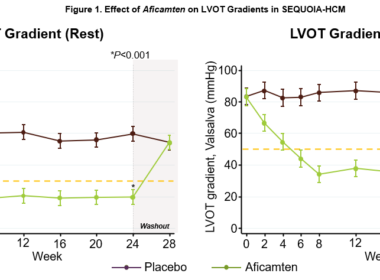
SOUTH SAN FRANCISCO, Calif. and NEW YORK, May 22, 2024 (GLOBE NEWSWIRE) — Cytokinetics, Incorporated (Nasdaq: CYTK) and Royalty Pharma plc (Nasdaq: RPRX) today announced they have entered into a strategic funding collaboration providing capital to support the commercialization of aficamten and advance the company’s expanding cardiovascular pipeline while diversifying access to capital as the company advances its muscle biology-directed specialty cardiology business. “We have enjoyed a longstanding relationship with Royalty Pharma and this expanded strategic collaboration reinforces our shared conviction in the value of our cardiac myosin focused pipeline of drug candidates,” said Robert I. Blum, Cytokinetics’ President and Chief Executive Officer. “This diversified access to capital from a trusted partner supports our launch of aficamten while also fortifying our capital structure and lowering our cost of capital as we become a sustainable company. We believe this deal delivers on stated objectives of advancing our later-stage portfolio of potential medicines alongside our goal of increasing shareholder value.” “We are excited to support Cytokinetics as the company advances towards commercialization of aficamten,” said Pablo Legorreta, Royalty Pharma’s founder and Chief Executive Officer. “This is our third transaction with Cytokinetics and highlights our ability to structure creative, win-win funding solutions and underscores the breadth of our funding capabilities. Aficamten has demonstrated an impressive clinical profile in its pivotal Phase 3 study, and we believe it has the potential to significantly improve the lives of patients with HCM, if approved by the FDA.” “Both omecamtiv mecarbil and CK-586 represent strategic opportunities to expand our specialty cardiology pipeline in adjacent cardiovascular indications and help underserved patients,” said Fady I. Malik, M.D., Ph.D., Cytokinetics’ Executive Vice President of Research & Development. “Building on feedback from the FDA and EMA, we have designed a confirmatory Phase 3 clinical trial intended to replicate treatment effects previously observed with omecamtiv mecarbil among higher risk patients with heart failure with reduced ejection fraction. In addition, we look forward to advancing CK-586 to Phase 2 to further assess the pharmacology of cardiac myosin inhibition in sicker patients with heart failure with preserved ejection fraction.” The transaction includes funding for planned commercialization, development funding, royalty restructuring and revenue sharing and the purchase of Cytokinetics equity, together, affording Cytokinetics $250 million on closing and up to a total of $575 million to support the company’s further maturation and corporate development. The key components of this strategic funding collaboration include: Commercial launch funding: Cytokinetics to receive $50 million and is eligible to draw an additional $175 million within 12 months of approval of aficamten in oHCM; the capital will be repayable over 10 years in quarterly installments (totaling 1.9x). Royalty restructuring: Royalty Pharma’s royalty on aficamten was restructured so that Royalty Pharma will now receive 4.5% up to $5.0 billion of annual net sales of aficamten and 1% above $5.0 billion of annual net sales compared to the prior 4.5% up to $1.0 billion of annual net sales and 3.5% above $1.0 billion of annual net sales.Development funding: Cytokinetics will receive $100 million in upfront capital to fund a confirmatory Phase 3 clinical trial of omecamtiv mecarbil in patients with heart failure and reduced ejection fraction. If the Phase 3 clinical trial is positive and FDA approval is received within specified time frames, Royalty Pharma will receive fixed payments totaling $100 million following approval, as well as an incremental 2.0% royalty on annual net sales and/or fixed quarterly payments. If the Phase 3 trial is not successful or does not lead to FDA approval, Cytokinetics will repay Royalty Pharma up to $237.5 million over eighteen or twenty-two quarters, in fixed quarterly payments.Development funding: Cytokinetics to receive $50 million in upfront capital to fund a proof-of-concept Phase 2 clinical trial for CK-586 in patients with heart failure and preserved ejection fraction and Royalty Pharma will have an option to invest up to an additional $150 million to fund Phase 3 development of CK-586, for which it would be eligible to receive a $150 million milestone payment upon FDA approval and a 4.5% royalty on annual net sales of CK-586.If Royalty Pharma does not opt-in to fund Phase 3 development, Royalty Pharma will receive a 1.0% royalty on annual net sales of CK-586.Equity Purchase: Royalty Pharma will purchase $50 million of Cytokinetics’ common stock in a private placement that will be concurrent with the underwritten public offering that Cytokinetics plans to launch today. From these transactions, Cytokinetics anticipates receipt of up to $250 million in nearer-term funding. Together with its proforma cash at the end of the first quarter of 2024, this funding from Royalty Pharma enables Cytokinetics extended cash runway based on expected 2024 expenditures, inclusive of planned commercialization activities and expanded pipeline development programs. Advisors Cooley LLP and Morrison & Foerster LLP acted as legal advisors to Cytokinetics on the transactions. Goodwin Procter LLP, Fenwick & West LLP, Maiwald GmbH, and Wolf, Greenfield & Sacks, P.C., acted as legal advisors to Royalty Pharma. Evercore served as a financial advisor to Cytokinetics on the transactions. About Aficamten Aficamten is an investigational selective, small molecule cardiac myosin inhibitor discovered following an extensive chemical optimization program that was conducted with careful attention to therapeutic index and pharmacokinetic properties and as may translate into next-in-class potential in clinical development. Aficamten was designed to reduce the number of active actin-myosin cross bridges during each cardiac cycle and consequently suppress the myocardial hypercontractility that is associated with hypertrophic cardiomyopathy (HCM). In preclinical models, aficamten reduced myocardial contractility by binding directly to cardiac myosin at a distinct and selective allosteric binding site, thereby preventing myosin from entering a force producing state. The development program for aficamten is assessing its potential as a treatment that improves exercise capacity and relieves symptoms in patients with HCM as well as its potential long-term effects on cardiac structure and function. Aficamten was evaluated in SEQUOIA-HCM (Safety, Efficacy, and Quantitative Understanding of Obstruction Impact of Aficamten in HCM), a positive pivotal Phase 3 clinical trial in patients with symptomatic obstructive hypertrophic cardiomyopathy (HCM). Aficamten received Breakthrough Therapy Designation for the treatment of symptomatic obstructive HCM from the U.S. Food & Drug Administration (FDA) as well as the National Medical Products Administration (NMPA) in China. Cytokinetics expects to submit a New Drug Application (NDA) to the FDA in Q3 2024 and a Marketing Authorization Application (MAA) to the European Medicines Agency (EMA) in Q4 2024. About Omecamtiv Mecarbil Omecamtiv mecarbil is an investigational, selective, small molecule cardiac myosin activator, the first of a novel class of myotropes1 designed to directly target the contractile mechanisms of the heart, binding to and recruiting more cardiac myosin heads to interact with actin during systole. Omecamtiv mecarbil is designed to increase the number of active actin-myosin cross bridges during each cardiac cycle and consequently augment the impaired contractility that is associated with heart failure with reduced ejection fraction (HFrEF). Preclinical research has shown that omecamtiv mecarbil increases cardiac contractility without increasing intracellular myocyte calcium concentrations or myocardial oxygen consumption.2-4 The development program for omecamtiv mecarbil assessed its potential for the treatment of HFrEF. Positive results from GALACTIC-HF demonstrated a statistically significant effect of treatment with omecamtiv mecarbil to reduce risk of the primary composite endpoint of cardiovascular (CV) death or heart failure events (heart failure hospitalization and other urgent treatment for heart failure) compared to placebo in patients treated with standard of care Adverse events and treatment discontinuation of study drug were balanced between the treatment arms. In February 2023, the U.S. Food and Drug Administration (FDA) issued a Complete Response Letter (CRL) regarding the New Drug Application (NDA) for omecamtiv mecarbil, stating that GALACTIC-HF was not sufficiently persuasive to establish substantial evidence of effectiveness for reducing the risk of heart failure events and cardiovascular death in adults with chronic heart failure with reduced ejection fraction, in lieu of evidence from at least two adequate and well-controlled clinical investigations. In May 2024, Cytokinetics withdrew the Marketing Authorization Application (MAA) from the European Medicines Agency (EMA) for omecamtiv mecarbil based on feedback from the Committee for Medicinal Products for Human Use (CHMP) indicating that the Committee would not be able to conclude that the benefits outweigh the risks on the basis of the results from GALACTIC-HF alone. Cytokinetics is planning to start an additional Phase 3 trial of omecamtiv mecarbil in Q4 2024 in advanced HFrEF patients with objective to confirm and elaborate on positive results previously observed in GALACTIC-HF. About CK-4021586 (CK-586) CK-4021586 (CK-586) is a novel, selective, oral, small molecule cardiac myosin inhibitor designed to reduce the hypercontractility associated with heart failure with preserved ejection fraction (HFpEF). In preclinical models, CK-586 reduced cardiac hypercontractility by decreasing the number of active myosin cross-bridges during cardiac contraction thereby reducing the contractile force, without effect on calcium transients. In some patients, HFpEF is a condition that resembles non-obstructive hypertrophic cardiomyopathy (HCM) in that the patients have higher ejection fractions, thickened walls of their heart, elevated biomarkers, and symptoms of heart failure. In a Phase 2 clinical trial in patients with non-obstructive HCM, aficamten, a cardiac myosin inhibitor also developed by the Company, was well tolerated, improved patient reported outcomes (Kansas City Cardiomyopathy Questionnaire (KCCQ) and New York Heart Association (NYHA) Functional Class) and biomarkers, measures that are also relevant to HFpEF, lending support for this mechanism of action in HFpEF. The Phase 1 study of CK-586 met its primary endpoint and secondary objectives, demonstrating that CK-586 was safe and well-tolerated in healthy participants with linear pharmacokinetics. These data are supportive of advancing CK-586 to a Phase 2 clinical trial in patients with HFpEF which is expected to begin in Q4 2024. About Cytokinetics Cytokinetics is a late-stage, specialty cardiovascular biopharmaceutical company focused on discovering, developing and commercializing first-in-class muscle activators and next-in-class muscle inhibitors as potential treatments for debilitating diseases in which cardiac muscle performance is compromised. As a leader in muscle biology and the mechanics of muscle performance, the company is developing small molecule drug candidates specifically engineered to impact myocardial muscle function and contractility. Cytokinetics is preparing for regulatory submissions for aficamten, its next-in-class cardiac myosin inhibitor, following positive results from SEQUOIA-HCM, the pivotal Phase 3 clinical trial in obstructive hypertrophic cardiomyopathy. Aficamten is also currently being evaluated in MAPLE-HCM, a Phase 3 clinical trial of aficamten as monotherapy compared to metoprolol as monotherapy in patients with obstructive HCM, ACACIA-HCM, a Phase 3 clinical trial of aficamten in patients with non-obstructive HCM, CEDAR-HCM, a clinical trial of aficamten in a pediatric population with obstructive HCM, and FOREST-HCM, an open-label extension clinical study of aficamten in patients with HCM. Cytokinetics is also developing omecamtiv mecarbil, a cardiac muscle activator, in patients with heart failure. Additionally, Cytokinetics is developing CK-586, a cardiac myosin inhibitor with a mechanism of action distinct from aficamten for the potential treatment of HFpEF, and CK-136, a cardiac troponin activator for the potential treatment HFrEF and other types of heart failure, such as right ventricular failure resulting from impaired cardiac contractility. For additional information about Cytokinetics, visit www.cytokinetics.com and follow us on X, LinkedIn, Facebook and YouTube. About Royalty Pharma Founded in 1996, Royalty Pharma is the largest buyer of biopharmaceutical royalties and a leading funder of innovation across the biopharmaceutical industry, collaborating with innovators from academic institutions, research hospitals and non-profits through small and mid-cap biotechnology companies to leading global pharmaceutical companies. Royalty Pharma has assembled a portfolio of royalties which entitles it to payments based directly on the top-line sales of many of the industry’s leading therapies. Royalty Pharma funds innovation in the biopharmaceutical industry both directly and indirectly – directly when it partners with companies to co-fund late-stage clinical trials and new product launches in exchange for future royalties, and indirectly when it acquires existing royalties from the original innovators. Royalty Pharma’s current portfolio includes royalties on more than 35 commercial products, including Vertex’s Trikafta, GSK’s Trelegy, Roche’s Evrysdi, Johnson & Johnson’s Tremfya, Biogen’s Tysabri and Spinraza, AbbVie and Johnson & Johnson’s Imbruvica, Astellas and Pfizer’s Xtandi, Novartis’ Promacta, Pfizer’s Nurtec ODT and Gilead’s Trodelvy, and 17 development-stage product candidates. Cytokinetics Forward-Looking Statements This press release contains forward-looking statements for purposes of the Private Securities Litigation Reform Act of 1995 (the “Act”). Cytokinetics disclaims any intent or obligation to update these forward-looking statements and claims the protection of the Act’s Safe Harbor for forward-looking statements. Examples of such statements include, but are not limited to: statements relating to the timing or availability of additional sale proceeds or loan disbursements from Royalty Pharma; Cytokinetics’ research and development and commercialization activities; anticipated cash runway, and the properties and potential benefits of Cytokinetics’ drug candidates. Such statements are based on management’s current expectations, but actual results may differ materially due to various risks and uncertainties, including, but not limited to, potential difficulties or delays in the development, testing, regulatory approvals for trial commencement, progression or product sale or manufacturing, or production of Cytokinetics’ drug candidates that could slow or prevent clinical development or product approval; patient enrollment for or conduct of clinical trials may be difficult or delayed; Cytokinetics’ drug candidates may have adverse side effects or inadequate therapeutic efficacy; the FDA or foreign regulatory agencies may delay or limit Cytokinetics’ ability to conduct clinical trials; Cytokinetics may be unable to obtain or maintain patent or trade secret protection for its intellectual property; standards of care may change, rendering Cytokinetics’ drug candidates obsolete; competitive products or alternative therapies may be developed by others for the treatment of indications Cytokinetics’ drug candidates and potential drug candidates may target; and risks and uncertainties relating to the timing and receipt of payments from its partners. For further information regarding these and other risks related to Cytokinetics’ business, investors should consult Cytokinetics’ filings with the Securities and Exchange Commission, particularly under the caption “Risk Factors” in Cytokinetics’ latest Quarterly Report on Form 10-Q. CYTOKINETICS® and the C-shaped logo are registered trademarks of Cytokinetics in the U.S. and certain other countries. Royalty Pharma Forward Looking Statements The information set forth herein does not purport to be complete or to contain all of the information you may desire. Statements contained herein are made as of the date of this document unless stated otherwise, and neither the delivery of this document at any time, nor any sale of securities, shall under any circumstances create an implication that the information contained herein is correct as of any time after such date or that information will be updated or revised to reflect information that subsequently becomes available or changes occurring after the date hereof. This document contains statements that constitute “forward-looking statements” as that term is defined in the United States Private Securities Litigation Reform Act of 1995, including statements that express the company’s opinions, expectations, beliefs, plans, objectives, assumptions or projections regarding future events or future results, in contrast with statements that reflect historical facts. Examples include discussion of Royalty Pharma’s strategies, financing plans, growth opportunities and market growth. In some cases, you can identify such forward-looking statements by terminology such as “anticipate,” “intend,” “believe,” “estimate,” “plan,” “seek,” “project,” “expect,” “may,” “will,” “would,” “could” or “should,” the negative of these terms or similar expressions. Forward-looking statements are based on management’s current beliefs and assumptions and on information currently available to the company. However, these forward-looking statements are not a guarantee of Royalty Pharma’s performance, and you should not place undue reliance on such statements. Forward-looking statements are subject to many risks, uncertainties and other variable circumstances, and other factors. Such risks and uncertainties may cause the statements to be inaccurate and readers are cautioned not to place undue reliance on such statements. Many of these risks are outside of the company’s control and could cause its actual results to differ materially from those it thought would occur. The forward-looking statements included in this document are made only as of the date hereof. The company does not undertake, and specifically declines, any obligation to update any such statements or to publicly announce the results of any revisions to any such statements to reflect future events or developments, except as required by law. Certain information contained in this document relates to or is based on studies, publications, surveys and other data obtained from third-party sources and the company’s own internal estimates and research. While the company believes these third-party sources to be reliable as of the date of this document, it has not independently verified, and makes no representation as to the adequacy, fairness, accuracy or completeness of, any information obtained from third-party sources. In addition, all of the market data included in this document involves a number of assumptions and limitations, and there can be no guarantee as to the accuracy or reliability of such assumptions. Finally, while the company believes its own internal research is reliable, such research has not been verified by any independent source. For further information, please reference Royalty Pharma’s reports and documents filed with the U.S. Securities and Exchange Commission (“SEC”) by visiting EDGAR on the SEC’s website at www.sec.gov. Contacts: CytokineticsDiane WeiserSenior Vice President, Corporate Affairs 415-290-7757 Royalty Pharma Investor Relations and Communications+1 (212) 883-6772ir@royaltypharma.com References: Psotka MA, Gottlieb SS, Francis GS et al. Cardiac Calcitropes, Myotropes, and Mitotropes. JACC. 2019; 73:2345-53.Planelles-Herrero VJ, Hartman JJ, Robert-Paganin J. et al. Mechanistic and structural basis for activation of cardiac myosin force production by omecamtiv mecarbil. Nat Commun. 2017;8:190.Shen YT, Malik FI, Zhao X, et al. Improvement of cardiac function by a cardiac myosin activator in conscious dogs with systolic heart failure. Circ Heart Fail. 2010; 3: 522-27.Malik FI, Hartman JJ, Elias KA, Morgan BP, Rodriguez H, Brejc K, Anderson RL, Sueoka SH, Lee KH, Finer JT, Sakowicz R. Cardiac myosin activation: a potential therapeutic approach for systolic heart failure. Science. 2011 Mar 18;331(6023):1439-43.

MiNK Presents AgenT-797 Clinical Activity in Immune-Compromised Transplant Patient with Severe ARDS at ATS Annual Meeting

NEW YORK, May 22, 2024 (GLOBE NEWSWIRE) — MiNK Therapeutics, Inc. (NASDAQ: INKT), a clinical-stage biopharmaceutical company pioneering the discovery, development, and commercialization of allogeneic, off-the-shelf, invariant natural killer T (iNKT) cell therapies to treat cancer and other immune-mediated diseases, today announced presentation of clinical data on agenT-797 in a complex case of severe acute respiratory distress (ARDS) at the American Thoracic Society (ATS) Annual Meeting. These translational and mechanistic insights build on an expanding dataset of clinical activity for patients with severe ARDS. “Consistent with our prior publication of the survival benefit of agenT-797 in severe respiratory distress, the observed improvement in this case further demonstrates the potential of allogeneic iNKT cells in this setting,” said Dr. Terese Hammond, University of California Los Angeles. “New therapeutic options, like allogeneic cell therapies, are urgently needed to address the critical unmet need in immune-compromised individuals with respiratory distress. I believe this growing body of data illuminates how iNKTs may have an impactful role in treating acute critical illness and merits further investigation.” Clinical Findings Patient: A 26-year-old chronically immunosuppressed patient post-renal transplant contracted COVID-19 and progressed to severe hypoxemic respiratory failure, requiring veno-venous extracorporeal membrane oxygenation (VV-ECMO).Treatment: A single dose of 1×10^9 allogeneic iNKT cells (agenT-797) on hospital day 13.Outcomes: Clinical changes showed a rapid decrease in inflammatory cytokines, including IL-18 following agenT-797 administration, consistent with the data observed in the Phase 1 trial of agenT-797 in COVID-19 ARDS (Hammond, T.C., Nat Commun 2024). The patient was extubated on day 37 and discharged home from the hospital on day 60, weaned off hemodialysis and returned to normal activities of daily living (ADLs) within 6 months of dosing. The full poster presentation can be found on the Publications page of the MiNK website at https://minktherapeutics.com/publications/. About MiNK Therapeutics MiNK Therapeutics is a clinical-stage biopharmaceutical company pioneering the discovery, development, and commercialization of allogeneic invariant natural killer T (iNKT) cell therapies to treat cancer and other immune-mediated diseases. MiNK is advancing a pipeline of both native and next generation engineered iNKT programs, with a platform designed to facilitate scalable and reproducible manufacturing for off-the-shelf delivery. The company is headquartered in New York, NY. For more information, visit https://minktherapeutics.com/ or @MiNK_iNKT. Information that may be important to investors will be routinely posted on our website and social media channels. Forward Looking Statements This press release contains forward-looking statements that are made pursuant to the safe harbor provisions of the federal securities laws, including statements regarding the therapeutic and curative potential of agenT-797 and iNKT cells the mechanism of action, potency and safety, interim or top-line data, including statements regarding clinical data of agenT-797, the anticipated benefits of agenT-797 and clinical development plans and timelines. These forward-looking statements are subject to risks and uncertainties that could cause actual results to differ materially. These forward-looking statements are subject to risks and uncertainties, including the factors described under the Risk Factors section of the most recent Form 10-K filed with the SEC. MiNK cautions investors not to place considerable reliance on the forward-looking statements contained in this release. These statements speak only as of the date of this press release, and MiNK undertakes no obligation to update or revise the statements, other than to the extent required by law. All forward-looking statements are expressly qualified in their entirety by this cautionary statement. Investor Contact 917-362-1370 investor@minktherapeutics.com Media Contact 781-674-4428 communications@minktherapeutics.com

OSE Immunotherapeutics and Boehringer Ingelheim expand collaboration to develop first-in-class treatments for cancer and cardio-renal-metabolic diseases

OSE Immunotherapeutics and Boehringer Ingelheim expand collaboration to develop first-in-class treatments for cancer and cardio-renal-metabolic diseases   Nantes, France – Ingelheim, Germany – 22 May 2024, 7:30am CET – Today OSE Immunotherapeutics SA (ISIN: FR0012127173; Mnemo: OSE) and Boehringer Ingelheim announced a major expansion of their partnership. Two new projects to develop first-in-class treatments will be added to the ongoing anti-SIRPα immuno-oncology programs. The first involves broadening the therapeutic evaluation of an already partnered asset to reach more patients and the other a new asset acquisition: Reflecting an amendment of the existing collaboration and license agreement for the anti-SIRPα immuno-oncology compounds BI 765063 and BI 770371, which are being investigated in Phase I clinical studies in advanced solid tumors, development will now also be pursued in cardiovascular-renal-metabolic (CRM) diseases.A new preclinical program will be launched to develop immune-cell activating treatments based on OSE’s cis-targeting1 anti-PD1/cytokine platform via an asset acquisition. Affecting over one billion lives globally2, CRM diseases cause 20 million deaths annually. They are interconnected, co-exist, and can amplify one another, resulting in a significant burden on patients’ lives. Cancer accounts for nearly 10 million deaths and for many cancer patients there are no or only limited treatment options. The new development programs bolster Boehringer Ingelheim’s pipeline and reflects the company’s unwavering commitment to explore and progress new therapies to address unmet patient needs, including in CRM diseases and cancer. The cis-targeting anti-PD1/cytokine platform asset will further enrich Boehringer Ingelheim’s array of novel potential immune-modulatory cancer treatments. The development of the ongoing anti-SIRPα compounds for a new indication adds to the company’s comprehensive CRM pipeline with the initiation of a Phase 2 clinical study planned for later this year. “We are very pleased to expand our pipeline of potential first-in-class CRM disease therapies, as well as our pipeline of first-in-class T-cell based anti-cancer therapies,” said Clive R. Wood, Corporate Senior Vice President and Global Head of Discovery Research at Boehringer Ingelheim. “The expansion of our partnership with OSE reflects our joint mission to improving patient outcomes in two of the biggest threats to global health.” Nicolas Poirier, CEO of OSE Immunotherapeutics, commented: “We are excited about adding two highly innovative new development programs to our fruitful collaboration with Boehringer Ingelheim. We look forward to working with the scientists at Boehringer Ingelheim on the new development programs that have the potential to bring new breakthrough therapy options to patients with CRM diseases and cancer.” OSE Immunotherapeutics will receive EUR 13.5. million in upfront payment and a potential near-term milestone of EUR 17.5 million for the purchase of a novel, cis-targeting anti-PD-1/cytokine asset in preclinical stage. Regarding the two ongoing anti-SIRPα programs BI 765063 and BI 770371 the parties agreed on partial royalty buy-out monetizing with a one-time payment of EUR 25.3 million. Furthermore, Boehringer is granted an option for an additional buy-out during further development triggering a one-time payment plus the increase of one sales milestone. All other agreed development, regulatory and sales milestone payments of up to €1.1 billion remain as agreed between the parties under the initial agreement. About Boehringer Ingelheim Boehringer Ingelheim is working on breakthrough therapies that transform lives, today and for generations to come. As a leading research-driven biopharmaceutical company, the company creates value through innovation in areas of high unmet medical need. Founded in 1885 and family-owned ever since, Boehringer Ingelheim takes a long-term, sustainable perspective. More than 53,000 employees serve over 130 markets in the two business units Human Pharma and Animal Health. Learn more at   www.boehringer-ingelheim.com. About OSE Immunotherapeutics OSE Immunotherapeutics is a biotech company dedicated to developing first-in-class assets in immuno-oncology (IO) and immuno-inflammation (I&I). The Company’s current well-balanced first-in-class clinical pipeline includes: Tedopi® (immunotherapy activating tumor specific T-cells, off-the-shelf, neoepitope-based): this cancer vaccine is the Company’s most advanced product; positive results from the Phase 3 trial (Atalante 1) in Non-Small Cell Lung Cancer patients in secondary resistance after checkpoint inhibitor failure. Other Phase 2 trials, sponsored by clinical oncology groups, of Tedopi® in combination are ongoing in solid tumors.OSE-279 (anti-PD1): first positive results in the ongoing Phase 1/2 in solid tumors.OSE-127 – lusvertikimab (humanized monoclonal antibody antagonist of IL-7 receptor); ongoing Phase 2 in Ulcerative Colitis (sponsor OSE Immunotherapeutics); ongoing preclinical research in leukemia (OSE Immunotherapeutics).FR-104/VEL-101 (anti-CD28 monoclonal antibody): developed in partnership with Veloxis Pharmaceuticals, Inc. in transplantation; ongoing Phase 1/2 in renal transplant (sponsor Nantes University Hospital); successful Phase 1 in the US (sponsor Veloxis Pharmaceuticals, Inc.).BI 765063 and BI 770371 (anti-SIRPα monoclonal antibody on CD47/SIRPα pathway) developed in partnership with Boehringer Ingelheim in advanced solid tumors; positive Phase 1 dose escalation results in monotherapy and in combination, in particular with anti-PD-1 antibody ezabenlimab; international Phase 1b ongoing clinical trial in combination with ezabenlimab alone or with other drugs in patients with recurrent/metastatic head and neck squamous cell carcinoma (HNSCC) and hepatocellular carcinoma (HCC).OSE-230 (ChemR23 agonist mAb) developed in partnership with AbbVie in chronic inflammation. OSE Immunotherapeutics expects to generate further significant value from its three proprietary drug discovery platforms, which are central to its ambitious goal to deliver next-generation first-in-class immunotherapies: Pro-resolutive mAb platform focused on targeting and advancing inflammation resolution and optimizing the therapeutic potential of targeting Neutrophils and Macrophages in I&I. OSE-230 (licensed to AbbVie) is the first candidate generated by the platform, additional discovery programs ongoing on new pro-resolutive GPCRs.Myeloid Checkpoint platform focused on optimizing the therapeutic potential of myeloid cells in IO by targeting immune regulatory receptors expressed by Macrophages and Dendritic cells. BI 765063 and BI 770371 (licensed to Boehringer Ingelheim) are the most advanced candidates generated by the platform. Ongoing additional discovery programs, in particular with positive preclinical results obtained in monotherapy with new anti-CLEC-1 mAbs.Cytokine platform focused on leveraging the Cis-Delivery of cytokine in IO and I&I. BiCKI® is a bispecific fusion protein platform built on the key backbone component of anti-PD1 combined with a new immunotherapy target to increase anti-tumor efficacy. BiCKI®-IL-7v is the most advanced BiCKI® candidate targeting anti-PD1xIL-7. Ongoing additional discovery programs on Cis-Demasking technologies. Additional information about OSE Immunotherapeutics assets is available on the Company’s website: www.ose-immuno.com. Follow us on X and LinkedIn Contacts Boehringer Ingelheim T+49 (6132) 77-90815 reinhard.malin@boehringer-ingelheim.com Boehringer Ingelheim Binger Str. 17355218 Ingelheim am Rhein More informationboehringer-ingelheim.com OSE Immunotherapeutics Forward-looking statementsThis press release contains express or implied information and statements that might be deemed forward-looking information and statements in respect of OSE Immunotherapeutics. They do not constitute historical facts. These information and statements include financial projections that are based upon certain assumptions and assessments made by OSE Immunotherapeutics’ management in light of its experience and its perception of historical trends, current economic and industry conditions, expected future developments and other factors they believe to be appropriate.These forward-looking statements include statements typically using conditional and containing verbs such as “expect”, “anticipate”, “believe”, “target”, “plan”, or “estimate”, their declensions and conjugations and words of similar import. Although the OSE Immunotherapeutics management believes that the forward-looking statements and information are reasonable, the OSE Immunotherapeutics’ shareholders and other investors are cautioned that the completion of such expectations is by nature subject to various risks, known or not, and uncertainties which are difficult to predict and generally beyond the control of OSE Immunotherapeutics. These risks could cause actual results and developments to differ materially from those expressed in or implied or projected by the forward-looking statements. These risks include those discussed or identified in the public filings made by OSE Immunotherapeutics with the AMF. Such forward-looking statements are not guarantees of future performance. This press release includes only summary information and should be read with the OSE Immunotherapeutics Universal Registration Document filed with the AMF on April 30, 2024, including the annual financial report for the fiscal year 2023, available on the OSE Immunotherapeutics’ website. Other than as required by applicable law, OSE Immunotherapeutics issues this press release at the date hereof and does not undertake any obligation to update or revise the forward-looking information or statements. 1 Cis-targeting: Bispecific antibodies have the capability to target cells either in a cis- or in a trans-binding orientation. During trans-binding, the antibody recognizes two different antigens, each expressed on a different cell population, and can link two different cell populations with each other (e.g. T-cell engagers). Cis-binding bispecific antibody targets two antigens expressed on the very same cell enabling preferential activation of the desired immune cell types while minimizing the activation of others (Segués A. et al. International Review of Cell and Molecular Biology 2022).2 Schechter M, Melzer Cohen C, Yanuv I, et al. Epidemiology of the diabetes-cardio-renal spectrum: a cross-sectional report of 1.4 million adults. Cardiovascular Diabetology. 2022;21(1):104. doi:10.1186/s12933-022-01521-9
Attachment

EN_240522_OSE BI_agreement

Roche granted FDA Breakthrough Device Designation for blood test measuring Lp(a) – a key marker for hereditary cardiovascular risk

Approximately one in five people worldwide have elevated Lp(a) levels, putting them at increased risk of cardiovascular diseases including myocardial infarction and stroke.1The Roche Diagnostics Tina-quant® Lp(a) assay measures lipoprotein (a) in a person’s bloodstream, and will be made available on Roche’s installed base of over 90,000 serum work area (SWA) systems worldwide. The test has been developed in collaboration with Amgen. Basel, 22 May 2024 – Roche (SIX: RO, ROG; OTCQX: RHHBY) announced today that the Tina-quant® lipoprotein Lp(a) RxDx assay has received Breakthrough Device Designation from the U.S. Food and Drug Administration (FDA) to identify patients who may benefit from innovative Lp(a)-lowering therapy currently in development. Lp(a) is emerging as an important, yet under-recognised, potential risk factor for cardiovascular disease, a major public health issue. “While modern lifestyles are a major driver, as much as 30% of mortality associated with cardiovascular disease occurs in individuals without modifiable risk factors,2” said Matt Sause, CEO of Roche Diagnostics. “Lp(a) is a critical marker for people at risk of cardiovascular disease, but medicine has had limited solutions to adequately address the problem. Through our collaboration with Amgen, Roche is paving the way to make elevated Lp(a) an actionable biomarker.” “Lp(a) testing rates are markedly low, and existing lab tests may not consistently and accurately measure Lp(a) levels,3” said Jay Bradner, M.D., executive vice president of Research and Development and chief scientific officer at Amgen. “By combining Amgen’s deep legacy and expertise in cardiovascular disease with Roche’s diagnostic expertise, we can accelerate access to more standardised testing and equip more patients and healthcare providers with important information to better understand their risk for cardiovascular disease.” Once approved, the new Tina-quant® test is expected to be made available to support the selection of patients who may benefit from an innovative Lp(a)-lowering therapy. About Lp(a)Globally, as many as one in five people have elevated Lp(a),1 where lifestyle interventions such as diet and exercise have no significant impact. While Lp(a) levels can be influenced by non-genetic factors including menopause, kidney and liver disease and hyperthyroidism, they are predominantly ( >90%) determined by genetic variations in the LPA gene.4 Raised Lp(A) is particularly prevalent among women, and people of African descent.5,6 High levels of Lp(a) have been shown to promote the buildup of lipids in artery walls, leading to the development of plaques, and have been associated with an increased risk of cardiovascular (CV) events4. Lp(a) testing is therefore an important tool for clinicians, enabling them to make a more accurate assessment of CV risk, and it is expected to become a part of regular diagnostic testing in the coming years. Professional bodies around the world, including the National Lipid Association, Canadian Cardiovascular Society, European Atherosclerosis Society, European Society of Cardiology, and the Beijing Heart Society have recommended that Lp(a) measurement should be considered at least once in every adult person’s life. As Lp(a) has no single, defined molecular weight, there is a consensus in the scientific community that, ideally, Lp(a) levels should be measured in terms of the number of molecules per litre of blood (nmol/L). This contrasts with widely available tests that measure the molecular weight of Lp(a) in the blood (mg/L). About Tina-quant® Lp(a) RxDx assay The FDA has granted Breakthrough Device Designation to the Tina quant Lp(a) RxDx assay for use in selecting patients with elevated Lp(a) and a history of atherosclerotic disease for treatment with an Lp(a) lowering drug. A lipoprotein (a) test involves a routine blood draw during which a small sample of blood is used for measurement. This test measures the number of Lp(a) molecules per litre in a person’s bloodstream, which paves the way for Lp(a) to serve as an actionable biomarker in future. If approved, it will be available on selected cobas® platforms. Currently, there is no FDA authorised Lp(a) assay measuring Lp(a) in nmol/L available in the US. This assay will be part of Roche’s wider portfolio of tests for cardiovascular diseases. Together, these tests provide healthcare professionals the opportunity to make informed decisions, allowing patients to access new and innovative treatments. About Breakthrough Device DesignationThe Breakthrough Devices Program is a voluntary program for certain medical devices that provide for more effective treatment or diagnosis of a life-threatening or irreversibly debilitating disease or condition. This program is designed to expedite the development and review of these medical devices.  About Roche Founded in 1896 in Basel, Switzerland, as one of the first industrial manufacturers of branded medicines, Roche has grown into the world’s largest biotechnology company and the global leader in in-vitro diagnostics. The company pursues scientific excellence to discover and develop medicines and diagnostics for improving and saving the lives of people around the world. We are a pioneer in personalised healthcare and want to further transform how healthcare is delivered to have an even greater impact. To provide the best care for each person we partner with many stakeholders and combine our strengths in Diagnostics and Pharma with data insights from the clinical practice. In recognising our endeavour to pursue a long-term perspective in all we do, Roche has been named one of the most sustainable companies in the pharmaceuticals industry by the Dow Jones Sustainability Indices for the fifteenth consecutive year. This distinction also reflects our efforts to improve access to healthcare together with local partners in every country we work. Genentech, in the United States, is a wholly owned member of the Roche Group. Roche is the majority shareholder in Chugai Pharmaceutical, Japan. For more information, please visit www.roche.com. All trademarks used or mentioned in this release are protected by law.References[1] Tsimikas S and Marcovina S, Ancestry, Lipoprotein(a), and Cardiovascular Risk Thresholds: JACC Review Topic of the Week, J Am Coll Cardiol. 2022 Aug, 80 (9) 934–946 ​​ https://www.jacc.org/doi/full/10.1016/j.jacc.2022.06.019[2] Beaglehole, R., Reddy, S., Leeder, S.R. (2007). Poverty and human development: the global implications of cardiovascular disease. Circulation 116, 1871–1873.[3] Zheng W, Chilazi M, Park J, et al. Assessing the Accuracy of Estimated Lipoprotein(a) Cholesterol and Lipoprotein(a)‐Free Low‐Density Lipoprotein Cholesterol. Journal of the American Heart Association. 2022;11(2). d oi: 10.1161/jaha.121.023136[4] Kronenberg F. et al, Lipoprotein(a) in atherosclerotic cardiovascular disease and aortic stenosis: a European Atherosclerosis Society consensus statement, European Heart Journal, Volume 43, Issue 39, 14 October 2022, Pages 3925–3946, https://doi.org/10.1093/eurheartj/ehac361[5] Simony SB, Mortensen MB, Langsted A, Afzal S, Kamstrup PR, Nordestgaard BG. Sex differences of lipoprotein(a) levels and associated risk of morbidity and mortality by age: The Copenhagen General Population Study. Atherosclerosis. 2022 Aug;355:76-82. doi: 10.1016/j.atherosclerosis.2022.06.1023. Epub 2022 Jun 27. PMID: 35803767.[6] Mehta A, Jain V, Saeed A, Saseen JJ, Gulati M, Ballantyne CM, Virani SS. Lipoprotein(a) and ethnicities. Atherosclerosis. 2022 May;349:42-52. doi: 10.1016/j.atherosclerosis.2022.04.005. PMID: 35606075. Roche Global Media RelationsPhone: +41 61 688 8888 / e-mail: media.relations@roche.com Hans Trees, PhDPhone: +41 79 407 72 58 Sileia UrechPhone: +41 79 935 81 48 Nathalie AltermattPhone: +41 79 771 05 25  Simon GoldsboroughPhone: +44 797 32 72 915  Karsten KleinePhone: +41 79 461 86 83  Nina MählitzPhone: +41 79 327 54 74 Kirti PandeyPhone: +49 172 6367262  Yvette PetillonPhone: +41 79 961 92 50 Dr. Rebekka SchnellPhone: +41 79 205 27 03   Roche Investor Relations Investor Relations North America
Attachment

22052024_MR_LPa_BDD_en