TORONTO–(BUSINESS WIRE)– #ARDS–Vasomune receives up to C$280,347 from NRC IRAP to develop a subcutaneous form of its investigational vascular leak therapy, Pegevongitide.

The Latest Cardiac and Vascular News
TORONTO–(BUSINESS WIRE)– #ARDS–Vasomune receives up to C$280,347 from NRC IRAP to develop a subcutaneous form of its investigational vascular leak therapy, Pegevongitide.

330 patients randomized as of September 30, 2026, surpassing full trial enrollment targetCompany reiterates prior guidance: primary endpoint data to be submitted for late-breaking presentation consideration at a major cardiovascular conference in Q2 2027 Data expected to support future marketing application submissions by Medtronic to the FDA and other global regulatory agencies NEW HOPE, Pa., Oct. 01, 2026 (GLOBE NEWSWIRE) — Orchestra BioMed Holdings, Inc. (Nasdaq: OBIO) (“Orchestra BioMed” or the “Company”), a biomedical company accelerating high-impact technologies to patients through strategic partnerships with market-leading medical device companies, today announced that it has surpassed full enrollment in the BACKBEAT Global Pivotal Trial (“BACKBEAT Trial”), exceeding its previously announced target of 316 randomized patients. The BACKBEAT Trial is evaluating Atrioventricular Interval Modulation Therapy (“AVIM Therapy”) in pacemaker-indicated patients with uncontrolled hypertension despite the use of medication. Hypertension is the most common modifiable risk factor for death worldwide and the most common comorbidity among the pacemaker population.1 The BACKBEAT Trial (NCT06059638) is being conducted with Medtronic plc (“Medtronic”), the Company’s strategic collaborator for the BACKBEAT Trial and, subject to regulatory approval, for the commercialization of AVIM Therapy in pacemaker-indicated patients with uncontrolled hypertension despite the use of medication. As of September 30, 2026, 330 patients have been randomized in the BACKBEAT Trial at 81 sites across 13 countries.The BACKBEAT Trial’s protocol, approved by the U.S. Food and Drug Administration (the “FDA”), specifies 284 evaluable randomized subjects for the primary endpoint analysis, with a total enrollment target of 316 patients to account for potential loss to follow-up. The BACKBEAT Trial is a global, multi-center, prospective, randomized, double-blind pivotal trial. Patients are randomized 1:1 to AVIM Therapy combined with continued medical therapy and pacing (treatment) or continued medical therapy and standard pacing alone (control). The primary efficacy endpoint of the BACKBEAT Trial is the between-group difference in the change in 24-hour ambulatory systolic blood pressure (“aSBP”) at three-month follow-up from pre-randomization baseline. The primary safety endpoint is freedom from unanticipated serious adverse device events in the AVIM Therapy arm at three-month follow-up. The protocol-specified sample size provides greater than 90% statistical power for both primary endpoints and is designed to detect a between-group difference of at least 5 mmHg in aSBP. David Hochman, Chairman & Chief Executive Officer of Orchestra BioMed, commented, “Achieving and surpassing full enrollment of the BACKBEAT Trial is a defining milestone for Orchestra BioMed, for our collaboration with Medtronic and potentially for the millions of high cardiovascular risk patients who remain above blood pressure target despite the medications available to them today. We are grateful for and excited about the enrollment momentum built across our global trial site network over the last year. I want to thank the patients and their families who chose to participate, and the clinical teams and investigators at our trial sites globally whose commitment made this milestone possible. Our focus now turns to completing three-month follow-up, database lock, and the delivery of a rigorous, well-powered data set next spring.” Robert C. Kowal, M.D., Ph.D., Vice President and General Manager for Cardiac Pacing Therapies in the Medtronic Electrophysiology Therapies operating unit, stated, “For decades, cardiac pacing has been foundational in the management of rhythm disorders. Reaching full enrollment in the BACKBEAT Trial brings us a big step closer to understanding whether AVIM Therapy can extend the role of cardiac pacing therapy to include hypertension management for patients at increased cardiovascular risk. We are proud of the collaborative work our team and Orchestra BioMed’s team have done alongside investigators around the world, and we look forward to the primary endpoint results.” Vivek Reddy, M.D., Executive Chairman of the BACKBEAT Clinical Steering Committee, Director of Cardiac Arrhythmia Services at The Mount Sinai Fuster Heart Hospital and Director of Electrophysiology for the Mount Sinai Health System, commented, “Randomized, double-blind evidence is the highest standard by which a new therapeutic modality earns its place in clinical practice, and that is exactly what the BACKBEAT Trial was designed to generate. The pilot data for AVIM Therapy have been exciting, consistent and mechanistically coherent, but the field needs a pivotal trial to answer the question definitively. On behalf of the Steering Committee, I want to recognize the investigators, coordinators and other professionals whose work enabled the trial to reach full enrollment, and I look forward to seeing the three-month primary endpoint results.” Clinical, Regulatory and Commercial Next Steps Orchestra BioMed and Medtronic intend to submit the BACKBEAT Trial’s primary endpoint results for consideration as a late-breaking clinical trial presentation at a major cardiovascular conference in the second quarter of 2027. Assuming positive results from the BACKBEAT Trial, Medtronic plans to submit AVIM Therapy marketing applications to the FDA and other global regulatory agencies promptly. About Orchestra BioMed Orchestra BioMed is a biomedical innovation company accelerating high-impact technologies to patients through strategic collaborations with market-leading global medical device companies. The Company’s two flagship product candidates, Atrioventricular Interval Modulation (AVIM) Therapy and Virtue Sirolimus AngioInfusion Balloon (Virtue SAB), are currently undergoing pivotal clinical trials for their lead indications, each representing multi-billion-dollar annual global market opportunities. AVIM Therapy is a bioelectronic treatment for hypertension, the leading risk factor for death worldwide, and is designed to be delivered by a pacemaker and achieve immediate, substantial and sustained reductions in blood pressure in patients with hypertensive heart disease. The Company has a strategic collaboration with Medtronic, one of the largest medical device companies in the world and the global leader in cardiac pacing therapies, for the development and commercialization of AVIM Therapy for the treatment of uncontrolled hypertension in pacemaker-indicated patients. AVIM Therapy has FDA Breakthrough Device Designations for these patients, as well as an estimated 7.7 million total patients in the U.S. with uncontrolled hypertension despite medical therapy and increased cardiovascular risk. Virtue SAB is a highly differentiated, first-of-its-kind non-coated drug delivery angioplasty balloon system designed to deliver a large liquid dose of proprietary extended-release formulation of sirolimus, SirolimusEFR™, for the treatment of atherosclerotic artery disease, the leading cause of mortality worldwide. Virtue SAB has been granted Breakthrough Device Designation by the FDA for the treatment of coronary in-stent restenosis, coronary small vessel disease and below-the-knee peripheral artery disease. For further information about Orchestra BioMed, please visit www.orchestrabiomed.com, and follow us on LinkedIn. About AVIM Therapy AVIM Therapy is an investigational therapy compatible with standard dual-chamber pacemakers designed to substantially and persistently lower blood pressure. It has been evaluated in pilot studies in patients with hypertension who are also indicated for a pacemaker. In MODERATO II, a double-blind, randomized pilot study, AVIM Therapy-treated patients had a mean reduction of 11.1 mmHg in 24-hour ambulatory systolic blood pressure (aSBP) from pre-randomization baseline at six months, representing a net reduction of 8.1 mmHg versus control patients. At the same time point, the net reduction in office systolic blood pressure (oSBP) was 12.3 mmHg versus control. Additional MODERATO II data showed an immediate mean oSBP reduction of 13.2 mmHg when AVIM Therapy was activated during setup before randomization, with 97% of patients achieving a reduction of at least 5 mmHg. In addition to reducing blood pressure, clinical results using AVIM Therapy demonstrate improvements in cardiac function and hemodynamics. The BACKBEAT (BradycArdia paCemaKer with atrioventricular interval modulation for Blood prEssure treAtmenT) global pivotal trial is evaluating the safety and efficacy of AVIM Therapy in lowering blood pressure in patients who have systolic blood pressure above target despite anti-hypertensive medication and who are indicated for or have recently received a dual-chamber cardiac pacemaker. AVIM Therapy has been granted two Breakthrough Device Designations by the FDA for the treatment of uncontrolled hypertension in patients who have increased cardiovascular risk. Forward-Looking Statements Certain statements included in this press release that are not historical facts are forward-looking statements for purposes of the safe harbor provisions under the United States Private Securities Litigation Reform Act of 1995. Forward-looking statements generally are accompanied by words such as “believe,” “may,” “will,” “estimate,” “continue,” “anticipate,” “intend,” “expect,” “should,” “would,” “plan,” “predict,” “potential,” “seem,” “seek,” “future,” “outlook” and similar expressions that predict or indicate future events or trends or that are not statements of historical matters. These forward-looking statements include, but are not limited to, statements relating to the timing, implementation, results and design of the Company’s ongoing pivotal trials, the timing of regulatory submissions, realizing the clinical and commercial value of the Company’s product candidates, the potential safety and efficacy of the Company’s product candidates, the size of the potential markets for the Company’s product candidates, and the ability of the Company’s partnerships to accelerate clinical development. These statements are based on various assumptions, whether or not identified in this press release, and on the current expectations of the Company’s management and are not predictions of actual performance. These forward-looking statements are provided for illustrative purposes only and are not intended to serve as and must not be relied on as a guarantee, an assurance, a prediction, or a definitive statement of fact or probability. Actual events and circumstances are difficult or impossible to predict and may differ from assumptions. Many actual events and circumstances are beyond the control of the Company. These forward-looking statements are subject to a number of risks and uncertainties, including changes in domestic and foreign business, market, financial, political, and legal conditions; risks related to regulatory approval of the Company’s commercial product candidates and ongoing regulation of the Company’s product candidates, if approved; the timing of, and the Company’s ability to achieve expected regulatory and business milestones; the impact of competitive products and product candidates; and the risk factors discussed under the heading “Item 1A. Risk Factors” in the Company’s Annual Report on Form 10-K for the year ended December 31, 2025, which was filed with the SEC on March 12, 2026. The Company operates in a very competitive and rapidly changing environment. New risks emerge from time to time. Given these risks and uncertainties, the Company cautions against placing undue reliance on these forward-looking statements, which only speak as of the date of this press release. The Company does not plan and undertakes no obligation to update any of the forward-looking statements made herein, except as required by law. Investor Contact:Silas NewcombOrchestra BioMedsnewcomb@orchestrabiomed.com Media Contact:Nina PremuticoOrchestra BioMednpremutico@orchestrabiomed.com 1 World Health Organization, Global Report on Hypertension 2025 (an estimated 1.4B adults aged 30–79 with hypertension in 2024, 33% of that age group; ~23% of those living with hypertension have their blood pressure effectively controlled).

Aalborg University-led research, published in PLOS Digital Health, found the CADScor System’s acoustic sensing platform identified heart failure with diagnostic accuracy comparable to a leading blood test, and with significantly fewer false positives OKLAHOMA CITY, Sept. 11, 2026…
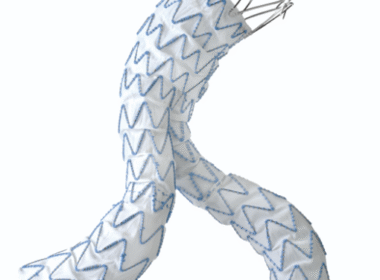
Following recent U.S. Food and Drug Administration (FDA) labeling approval, European label milestone reinforces Medtronic leadership in advancing aortic care based on clinical evidence supporting the treatment of ruptured abdominal aortic aneurysms (rAAA). Cardiovascular Diagnostics and Services Europe, Middle East & Africa Medtronic plc, a global leader in healthcare technology, […]

MINNEAPOLIS and BRISBANE, Australia, Aug. 11, 2026 (GLOBE NEWSWIRE) — Anteris Technologies Global Corp. (“Anteris” or the “Company”) (NASDAQ: AVR, ASX: AVR) a global healthcare company committed to designing, developing, and commercializing cutting-edge medical devices to restore healthy heart function, today reported financial results for the quarter ended June 30, 2026, and provided a corporate update. Q2 2026 Highlights Secured U.S. Medicare reimbursement eligibility for the global pivotal PARADIGM Trial under a Centers for Medicare & Medicaid Services (CMS) national coverage policy, enabling reimbursement for eligible procedures at U.S. sites.Initiated U.S. recruitment in the PARADIGM Trial, with the first U.S. patients enrolled and treated in May 2026.Expanded the PARADIGM Trial, with active recruitment underway in the U.S., Denmark and the Netherlands, and obtained regulatory clearance in Canada and France.Appointed Ms. Susan Knight and Mr. Stephen Denaro to the Board of Directors, broadening governance, financial and public company leadership as the Company advances the DurAVR® THV toward commercialization.Presented clinical and scientific progress at New York Valves 2026, including a symposium, innovation session feature, and pre-recorded live case presentation highlighting clinical experience with the DurAVR® THV. The symposium recording is available on the Company’s website under the News section. “Q2 marked an important period of execution for Anteris as we advanced the PARADIGM Trial across clinical, regulatory and reimbursement milestones. During the quarter, we secured U.S. Medicare reimbursement for eligible procedures, initiated U.S. recruitment in the PARADIGM Trial, expanded active recruitment across key geographies and showcased growing clinical experience with DurAVR® at New York Valves, a leading structural heart conference. These achievements, together with the continued strengthening of our Board, support our progress toward commercialization and our commitment to improving outcomes for patients with severe aortic stenosis,” said Wayne Paterson, Vice Chairman and Chief Executive Officer of Anteris. Business & Operations During the quarter, we continued to advance execution of the global pivotal PARADIGM Trial across active European sites and commenced patient enrollment in the United States. Clinical centers are progressing through key start-up milestones, including ethics and regulatory approvals, site initiation visits and investigator training, alongside patient screening and enrollment at activated sites. This includes selected Australian sites, which are progressing through initial start-up documentation, with activation and patient recruitment to follow subject to ethics committee approval at each site. In the United States, the CMS coverage determination represented a key execution milestone for the PARADIGM Trial, providing the reimbursement framework required to support patient enrollment and broader site-level adoption. Eligible procedures performed at participating U.S. study sites are covered under the Transcatheter Aortic Valve Replacement (TAVR) National Coverage Determination 20.32. With this reimbursement framework now in place, we expect U.S. site activation and patient recruitment activities to continue advancing as additional centers begin contributing to trial execution. Financial Results The financial results for Anteris for the quarter ended June 30, 2026, are presented below. All amounts in $ refer to U.S. dollars. The Company’s net operating cash outflows for the three months ended June 30, 2026 were $20.8 million, primarily attributable to clinical, regulatory and manufacturing requirements to support the PARADIGM Trial. Operating expenditures reflected the phased execution of the clinical program during the quarter, including the timing of U.S. site activation activities following receipt of the CMS coverage determination in April 2026. R&D expenses of $23.4 million were driven by the scaling of manufacturing and quality capabilities, including process development and validation activities and expanded headcount, together with PARADIGM trial related activities, including clinical costs associated with patient enrollment and the scaling of our field-based clinical team. These costs were partly offset by reduced DurAVR® THV product research costs. Please see the detailed financial information contained in Anteris’ Quarterly Report on Form 10-Q for the quarter ended June 30, 2026. About the PARADIGM Trial The PARADIGM Trial is a prospective randomized controlled trial which will evaluate the safety and effectiveness of the DurAVR® Transcatheter Heart Valve (“THV”) compared to commercially available transcatheter aortic valve replacements (TAVRs). This head-to-head study will enroll approximately 1,000 patients in the ‘All Comers Randomized Cohort’ with 1:1 randomization of patients who will receive either the DurAVR® THV or TAVR using commercially available and approved THVs. The PARADIGM Trial will assess non-inferiority on a primary composite endpoint of all-cause mortality, all stroke and cardiovascular hospitalization at one year post procedure. For further information, please refer to ClinicalTrials.gov NCT07194265. About Anteris Anteris Technologies Global Corp. (NASDAQ: AVR, ASX: AVR) is a global healthcare company committed to designing, developing, and commercializing cutting-edge medical devices to restore healthy heart function. Founded in Australia, with a significant presence in Minneapolis, USA, Anteris is a science-driven company with an experienced team of multidisciplinary professionals delivering restorative solutions to structural heart disease patients. Anteris’ lead product, the DurAVR® THV, was designed in collaboration with the world’s leading interventional cardiologists and cardiac surgeons to treat aortic stenosis – a potentially life-threatening condition resulting from the narrowing of the aortic valve. The balloon-expandable DurAVR® THV is the first biomimetic valve, which is shaped to mimic the performance of a healthy human aortic valve and aims to replicate normal aortic blood flow. DurAVR® THV is made using a single piece of molded ADAPT® tissue, Anteris’ patented anti-calcification tissue technology. ADAPT® tissue, which is FDA-cleared, has been used clinically for over 10 years and distributed for use in over 55,000 patients worldwide. The DurAVR® THV System is comprised of the DurAVR® valve, the ADAPT® tissue, and the balloon-expandable ComASUR® Delivery System. Forward-Looking Statements This announcement contains forward-looking statements, including, but not limited to, statements regarding the PARADIGM Trial, CMS reimbursement eligibility, clinical development timelines and potential commercialization. Forward-looking statements include all statements that are not historical facts. Forward-looking statements generally are identified by the words “believe,” “project,” “expect,” “anticipate,” “estimate,” “intend,” “budget,” “target,” “aim,” “strategy,” “plan,” “guidance,” “outlook,” “may,” “should,” “could,” “will,” “would,” “will be,” “will continue,” “will likely result” and similar expressions, although not all forward-looking statements contain these identifying words. These forward-looking statements are subject to a number of risks, uncertainties, and assumptions, including those described under “Risk Factors” in Anteris’ Annual Report on Form 10-K for the fiscal period ended December 31, 2025 that was filed with the Securities and Exchange Commission and ASX. Actual future events may vary from these forward-looking statements and readers are cautioned not to put undue reliance on forward-looking statements. Other than as required by law, Anteris gives no representation or guarantee that the occurrence of any of the events or circumstances expressed or implied in these statements will occur. In addition, except as required by law, Anteris does not assume any obligation to update any of these forward-looking statements to conform these statements to actual results or revised expectations. For more information: Global Investor RelationsInvestor Relations (US)investors@anteristech.commchatterjee@bplifescience.comDebbie OrmsbyMalini Chatterjee, Ph.D.Anteris Technologies Global Corp.Blueprint Life Science Group+61 1300 550 310 | +61 7 3152 3200+1 917 330 4269 Websitewww.anteristech.comX@AnterisTechLinkedInhttps://www.linkedin.com/company/anteristech
Combining leading in-house expertise with platform-enhancing investments to accelerate advances in engineering, innovation and manufacturing capabilities serving global medical device innovators Marks completion of acquisition by Montagu and Kohlberg PLYMOUTH, Minn., Aug. 04, 2026 (GLOBE NEWSWIRE) — INGENYX, formerly Teleflex Medical OEM, today announced its launch as an independent company following the completion of its acquisition by Montagu and Kohlberg and carve-out from Teleflex Incorporated (NYSE: TFX). The transaction was first announced on December 9, 2025. Rooted in more than 40 years of experience serving medical device manufacturers, INGENYX develops and manufactures custom-engineered interventional catheters and subassemblies, sutures, tubing, wiring, complex extrusion solutions, surgical fibers, and other advanced medical device technologies for customers worldwide. As an independent company, INGENYX is well-positioned to expand its engineering capabilities, accelerate innovation, and strengthen customer collaboration while continuing to deliver the expertise, quality, and reliability medical device manufacturers have come to expect. Greg Stotts, formerly the Chief Executive Officer of Teleflex Medical OEM, continues in that role at INGENYX, and Matt Jennings, Senior Operating Partner at Kohlberg, will serve as Executive Chairman of the Board. “Medical device companies face growing pressure to innovate faster while managing complexity, risk, and cost,” Jennings said. “INGENYX is uniquely positioned to meet that need by serving as a collaborative extension of our customers’ teams, combining design for manufacturability (DFM) methodology, and our proprietary intelligence databank with a deep understanding of the decisions that shape successful products.” Under the INGENYX brand, the company will expand its focus beyond traditional contract manufacturing development to help customers navigate increasingly complex product development, material selection, scalability, and lifecycle challenges. “INGENYX reflects both who we are and where we’re headed,” Stotts added. “For decades, we’ve helped medical device companies bring innovative products to market. As an independent company, we have an opportunity to invest further in the capabilities, expertise, and technologies that help our customers make smarter decisions and accelerate their path to commercialization and beyond.” Key highlights of INGENYX include: Continuity that customers can count on. The same trusted teams, expertise, and customer commitment that have defined the business for decades remain in place under the INGENYX brand.The agility of an independent company. As a standalone organization backed by Kohlberg and Montagu, INGENYX is positioned to move faster and accelerate investments in innovation, engineering, and manufacturing capabilities.A stronger platform for what’s next. With integrated real-world manufacturing expertise and DFM intelligence, INGENYX helps customers make more informed development decisions, reduce risk, accelerate commercialization, and prepare for future product generations. For more information, visit www.ingenyx.com. About INGENYXINGENYX is a leading development and manufacturing partner to global medical device innovators. For more than 40 years, the company has developed and supplied custom-engineered interventional catheter components and subassemblies, surgical fibers, sutures, and other advanced medical device technologies used across high-growth treatment areas, including structural heart, neurovascular, electrophysiology, and urology. Leveraging deep materials science expertise, complex extrusion capabilities, proprietary intelligence, and a vertically integrated operating model, INGENYX helps customers navigate critical decisions from concept through commercial readiness and future product generations. With seven state-of-the-art facilities across the United States, Ireland, and Mexico, INGENYX supports many of the world’s leading medical device companies, helping to bring life-changing technologies to market. About MontaguMontagu is a leading mid-market private equity firm, committed to finding and growing businesses that make the world work. Focusing on businesses with a must-have product or service in a structurally growing marketplace, Montagu brings proven growth capabilities to help companies achieve their ambitions and unlock their full potential. Montagu specializes in carve-out and other first-time buyout investments and has deep expertise in five priority sectors: Healthcare, Financial Sector Services, Critical Data, Digital Infrastructure, and Education. Environmental, Social, and Governance (ESG) forms an integral part of its strategy, and its commitment to responsible investment is fully integrated into its investment and value-creation process. Montagu has €15 billion in assets under management. For more information, visit www.montagu.com. About Kohlberg Founded in 1987, Kohlberg is a leading U.S. middle market investment firm based in Mount Kisco, New York with deep experience investing across private equity and credit. Informed by its thesis-driven White Paper Program, Kohlberg invests in healthcare and services companies characterized by strong brands, recurring revenue streams and leading market positions. Kohlberg manages approximately $17 billion on behalf of investors globally. For more information, please visit www.kohlberg.com. Media Contact:For INGENYXPatty Caballeropatty@pscconsulting.net973-348-5055 For MontaguJames Madsen, Bella LahdoGreenbrook+44 20 7952 2000montagu@greenbrookadvisory.com For KohlbergAmanda Shpiner/Jonathan WarrenGasthalter & Co.212-257-4170media@kohlberg.com

MILPITAS, Calif., Aug. 4, 2026 /PRNewswire/ — Galaxy Therapeutics, a privately held medical device company dedicated to advancing the treatment of intracranial aneurysms, today announced that it has received CE Mark under the European Medical Device Regulation (EU MDR 2017/745) for the…
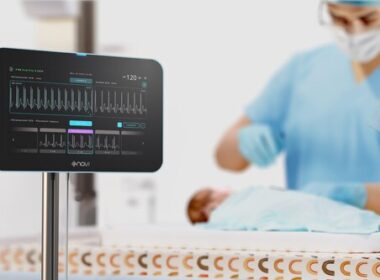
MELBOURNE, Australia and BOSTON, July 28, 2026 /PRNewswire/ — Melbourne- and Boston-based medical device company Navi Medical Technologies has closed a $A6.8 million capital raise to commercialise its breakthrough paediatric vascular access technology in the United States. The raise…

ALAMEDA, Calif., July 7, 2026 /PRNewswire/ — Penumbra, Inc. (NYSE: PEN), the world’s leading thrombectomy company, announced the initiation of its FORWARD study, an international, real world prospective, multi-center study. The study will collect safety and efficacy data on mechanical…
Microbot Medical® Wins Surgical Robotics Industry Award for the LIBERTY® Endovascular Robotic System


