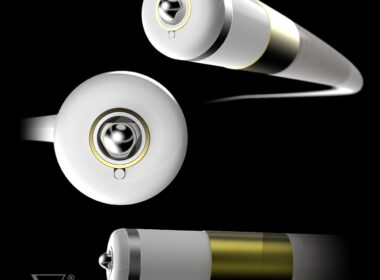
MIAMI, March 18, 2026 (GLOBE NEWSWIRE) — InspireMD, Inc. (Nasdaq: NSPR) (“InspireMD” or the “Company”), developer of the CGuard® Prime carotid stent system for the prevention of stroke, today announced financial and operating results for the fourth quarter and year ended December 31, 2025.
Other News
Kestra Medical Technologies Reports Third Quarter Fiscal 2026 Financial Results
KIRKLAND, Wash., March 17, 2026 (GLOBE NEWSWIRE) — Kestra Medical Technologies, Ltd. (Nasdaq: KMTS), a leading wearable medical device and digital healthcare company, today reported financial results for the third quarter fiscal 2026, which ended January 31, 2026. Financial Highlights Generated revenue of $24.6 million in Q3 FY26, an increase of 63% compared to the prior year period.Expanded gross margin to 52.6% in Q3 FY26 compared to 43.4% in the prior year period.Increased FY26 revenue guidance to $93 million, representing growth of 55% compared to FY25. “Kestra delivered another strong quarter of financial performance, generating revenue growth of 63% while expanding gross margin to over 52%,” said Brian Webster, President and CEO. “We also continued to execute on several key operational objectives, including rapid growth of the commercial organization, release of compelling primary results from our FDA post-approval study, fortification of our balance sheet with an equity offering, and entrance into a strategic collaboration with Biobeat Technologies. As we progress on our journey to category leadership, our team remains focused on growing the wearable defibrillator market and executing on our commitments to patients and their prescribers.” Third Quarter Fiscal 2026 Financial Results Total revenue was $24.6 million, an increase of 63% compared to the prior year period. 5,462 prescriptions were written for the ASSURE® system, an increase of 58% compared to the prior year period.Revenue growth was driven by higher market share and wearable cardioverter defibrillator (WCD) market expansion. Revenue also benefited from a higher mix of in-network patients and improvements in revenue cycle management capabilities. Gross profit was $12.9 million compared to $6.5 million in the prior year period. Gross margin expanded to 52.6% compared to 43.4% in the prior year period, driven by volume leverage, a higher mix of in-network patients and cost improvement programs. GAAP operating expenses were $47.7 million and included $1.5 million of non-recurring costs. GAAP operating expenses were $27.1 million in the prior year period. Excluding non-recurring costs and share-based compensation expense, operating expenses were $36.1 million in Q3 FY26 compared to $24.8 million in Q3 FY25. The increase was attributable to growth in expenses related to accelerated commercial expansion and public company costs. GAAP net loss and comprehensive loss was $34.2 million compared to GAAP net loss and comprehensive loss of $21.8 million in the prior year period. Adjusted EBITDA* loss was $21.2 million compared to an adjusted EBITDA loss of $16.3 million in the prior year period. Cash and cash equivalents totaled $291 million as of January 31, 2026. Cash and cash equivalents includes the net proceeds Kestra received from an underwritten public offering of 6.9 million common shares, which closed on December 4, 2025. *Adjusted EBITDA is a non-GAAP financial measure. See “Use of Non-GAAP Financial Measures” below for additional information. A reconciliation of Adjusted EBITDA to the most directly comparable GAAP measure is included in this press release. Fiscal Year 2026 Revenue GuidanceKestra is increasing its FY26 revenue guidance to $93 million, which would represent growth of 55% compared to FY25. This compares to prior FY26 revenue guidance of $91 million and initial FY26 guidance of $85 million. Webcast and Conference CallKestra will host a conference call today at 4:30 p.m. ET to discuss financial results. A live and archived webcast of the event will be available in the “Events” section of the investor relations website. Use of Non-GAAP Financial MeasuresThis press release contains certain financial information that is not presented in conformity with U.S. generally accepted accounting principles (“GAAP”), including Adjusted EBITDA. The non-GAAP financial measures are provided as supplemental information to Kestra’s financial measures presented in this press release that are calculated and presented in accordance with GAAP. Adjusted EBITDA, which is calculated as net income (loss), as adjusted to exclude other income/expense (including interest), income tax expense (benefit), depreciation and amortization expense, share-based compensation expense, and non-recurring expenses, is presented because management believes it allows investors to view the Company’s performance in a manner similar to the method used by management to evaluate the Company’s performance for both strategic and annual operating planning. Management believes that in order to properly understand short-term and long-term financial trends, it is helpful for investors to understand the impact of the items excluded from the calculation of Adjusted EBITDA, in addition to considering the Company’s GAAP financial measures. The excluded items vary in frequency and/or impact on our results of operations and management believes that the excluded items are not reflective of our ongoing core business operations and financial condition. Excluding such items allows investors and analysts to compare our operating performance to other companies in our industry and to compare our period-over-period results. The non-GAAP financial measures used by Kestra may not be the same or calculated in the same manner as those used and calculated by other companies. Non-GAAP financial measures have limitations as analytical tools and should not be considered in isolation or as a substitute for Kestra’s financial results prepared and reported in accordance with GAAP. We urge investors to review the reconciliation of these non-GAAP financial measures to the comparable GAAP financial measures included in this press release, and not to rely on any single financial measure to evaluate our business. A reconciliation of Adjusted EBITDA reported in this press release to the most comparable GAAP measure for the respective periods appears in the table captioned “Reconciliation of GAAP Net Income (Loss) to Adjusted EBITDA” later in this release. Within the accompanying financial tables presented, certain columns and rows may not add due to the use of rounded numbers. Forward-Looking StatementsExcept where otherwise noted, the information contained in this press release is as of March 17, 2026. Statements in this press release and on the related teleconference that express a belief, expectation or intention, as well as those that are not historical fact, are forward-looking statements. Except as required by law, the Company undertakes no obligation to publicly update any forward-looking statements, whether as a result of new information, future events or otherwise. This press release contains forward-looking statements within the meaning of the Private Securities Litigation Reform Act of 1995, including statements about, among other topics, our anticipated operating and financial performance, including financial guidance and projections; business plans, strategy, goals and prospects; and expectations for our products. Given their forward-looking nature, these statements involve substantial risks, uncertainties and potentially inaccurate assumptions, and we cannot ensure that any outcome expressed in these forward-looking statements will be realized in whole or in part. You can identify these statements by the fact that they use future dates or use words such as “will,” “may,” “could,” “likely,” “ongoing,” “anticipate,” “estimate,” “expect,” “project,” “intend,” “plan,” “believe,” “assume,” “target,” “forecast,” “guidance,” “goal,” “objective,” “aim,” “seek,” “potential,” “hope” and other words and terms of similar meaning. Kestra’s financial guidance is based on estimates and assumptions that are subject to significant uncertainties. Among the factors that could cause actual results to differ materially from past results and future plans and projected future results are the following: risks related to our limited operating history and history of net losses; our ability to successfully achieve substantial market adoption of our products; competitive pressures; our ability to adapt our manufacturing and production capacities to evolving patterns of demand, governmental actions and customer trends; product defects or complaints and related liability; our ability to obtain and maintain adequate coverage and reimbursement levels for our products; our ability to comply with changing laws and regulatory requirements and resulting costs; our dependence on a limited number of suppliers; risks and uncertainties related to market conditions; and other risks and uncertainties, including those described under the heading “Risk Factors” in our Annual Report on Form 10-K for the fiscal year ended April 30, 2025 and other filings filed or to be filed with the U.S. Securities and Exchange Commission (“SEC”). These filings, when made, are available on the Investor Relations section of our website at https://investors.kestramedical.com/ and on the SEC’s website at https://sec.gov/. About KestraKestra Medical Technologies, Ltd. is a leading wearable medical device and digital healthcare company focused on transforming patient outcomes in cardiovascular disease using monitoring and therapeutic intervention technologies that are intuitive, intelligent, and connected. For more information, visit www.kestramedical.com. KESTRA MEDICAL TECHNOLOGIES, LTD. AND SUBSIDIARIESCONDENSED CONSOLIDATED STATEMENTS OF OPERATIONS AND COMPREHENSIVE LOSS(in thousands, except share and per share amounts)(unaudited) Three Months EndedJanuary 31, Nine Months EndedJanuary 31, 2026 2025 2026 2025 Revenue $24,552 $15,090 $66,488 $42,582 Cost of revenue 11,646 8,543 33,307 26,005 Gross profit 12,906 6,547 33,181 16,577 Operating expenses: Research and development 4,972 3,353 13,850 10,266 Selling, general and administrative 42,699 23,795 114,728 64,477 Total operating expenses 47,671 27,148 128,578 74,743 Loss from operations (34,765) (20,601) (95,397) (58,166)Other expense (income): Interest expense 1,888 1,783 5,702 5,974 Interest income (2,163) (628) (6,125) (1,543)Other expense (income) (359) (15) (2,299) 73 Net loss before provision for income taxes (34,131) (21,741) (92,675) (62,670)Provision for income taxes 35 18 102 33 Net loss and comprehensive loss (34,166) (21,759) (92,777) (62,703)Net loss attributable to non-controlling interest — (250) — (942)Net loss and comprehensive loss attributable to Kestra Medical Technologies, Ltd. (34,166) (21,509) (92,777) (61,761)Less: Undeclared preferred stock dividends — 3,324 — 9,030 Net loss attributable to common shareholders, basic and diluted $(34,166) $(24,833) $(92,777) $(70,791) Net loss per share attributable to common shareholders, basic and diluted $(0.61) $(1.25) $(1.76) $(3.56)Weighted-average shares of common shares outstanding, basic and diluted 55,848,413 19,885,382 52,843,097 19,885,382 RECONCILIATION OF GAAP NET LOSS AND COMPREHENSIVE LOSS TO ADJUSTED EBITDA(in thousands)(unaudited) Three Months EndedJanuary 31, Nine Months EndedJanuary 31, 2026 2025 2026 2025 GAAP Net loss and comprehensive loss $(34,166) $(21,759) $(92,777) $(62,703)Non-GAAP Adjustments: Interest expense 1,888 1,783 5,702 5,974 Interest income (2,163) (628) (6,125) (1,543)Other expense (income) (359) (15) (2,299) 73 Provision for income taxes 35 18 102 33 Depreciation expense 1,984 1,888 6,384 6,132 Share-based compensation expense 10,108 459 23,340 1,958 Non-recurring expenses 1,482 1,927 5,396 1,927 Adjusted EBITDA $(21,191) $(16,327) $(60,277) $(48,149) KESTRA MEDICAL TECHNOLOGIES, LTD. AND SUBSIDIARIESCONDENSED CONSOLIDATED BALANCE SHEETS(in thousands, except share and per share amounts)(unaudited) January 31, April 30, 2026 2025 Assets Current assets Cash and cash equivalents $291,321 $237,595 Accounts receivable, net 12,709 8,081 Disposable medical equipment supplies 6,829 6,572 Prepaid expenses and other current assets 3,204 3,080 Total current assets 314,063 255,328 Right-of-use assets 3,419 2,078 Deposits 1,847 2,021 Restricted cash 334 334 Property and equipment, net 53,799 34,830 Other long-term assets 5,880 1,153 Total assets $379,342 $295,744 Liabilities and Shareholders’ Equity Current liabilities Accounts payable $24,023 $23,961 Accrued liabilities 18,898 13,829 Operating lease liabilities, current portion 10 187 Total current liabilities 42,931 37,977 Operating lease liabilities, net of current portion 4,276 3,026 Warrant liabilities 1,745 8,097 Other long-term liabilities 140 140 Long-term debt, net 42,261 41,098 Total liabilities 91,353 90,338 Commitments and contingencies Shareholders’ equity Common Shares, $1.00 par value; 100,000,000 shares authorized as of January 31, 2026 and April 30, 2025; 58,349,053 issued and outstanding as of January 31, 2026 and 51,348,656 shares issued and outstanding as of April 30, 2025 58,349 51,349 Additional paid-in capital 842,666 674,306 Accumulated deficit (613,026) (520,249)Total shareholders’ equity 287,989 205,406 Total liabilities and shareholders’ equity $379,342 $295,744 KESTRA MEDICAL TECHNOLOGIES, LTD. AND SUBSIDIARIESCONDENSED CONSOLIDATED STATEMENTS OF CASH FLOWS(in thousands)(unaudited) Nine Months EndedJanuary 31, 2026 2025 Cash flows from operating activities Net loss $(92,777) $(62,703)Adjustments to reconcile net loss to net cash used in operating activities: Depreciation and amortization 6,384 6,132 Loss on disposal of property and equipment 727 882 Reserve for lost equipment and supplies 1,600 647 Provision for uncollectible accounts receivable 1,515 1,883 Interest paid-in-kind — 703 Amortization of debt discounts and issuance costs 1,406 1,031 Share-based compensation expense 23,340 1,958 Non-cash lease expense 273 330 Change in fair value of warrant liabilities (2,297) — Changes in operating assets and liabilities: Disposable medical equipment supplies (466) (2,823)Prepaid expenses and other current assets 421 (431)Accounts receivable (6,143) (7,814)Accounts payable (647) 3,665 Accrued liabilities 4,192 2,730 Operating lease liabilities (541) 228 Other long-term assets 30 30 Net cash used in operating activities (62,983) (53,552)Cash flows from investing activities Purchases of property and equipment (25,228) (15,547)Deposits for medical rental equipment (527) (627)Refund of deposits for medical rental equipment 184 270 Investment in equity security (5,000) — Net cash used in investing activities (30,571) (15,904)Cash flows from financing activities Proceeds from issuance of common stock 149,291 — Payment of equity issuance costs (1,986) (3,293)Deemed dividend for payments to third party on behalf of shareholder (25) (1,648)Proceeds from issuance of redeemable preferred stock — 103,400 Proceeds from issuance of stock to non-controlling interest — 17,100 Net cash provided by financing activities 147,280 115,559 Net increase in cash, cash equivalents and restricted cash 53,726 46,103 Cash, cash equivalents and restricted cash Beginning of period 237,929 8,583 End of period $291,655 $54,686 CONTACT: Investor contact
Neil Bhalodkar
neil.bhalodkar@kestramedical.com
HEARTio Announces Closing of $4.25 Million Financing for its AI Algorithm to Detect Warning Signs of Heart Attacks
Pittsburgh, PA — March 16, 2025— Heart Input Output Inc. (“HEARTio”), an artificial intelligence healthcare diagnostics company, today announced the closing of $4.25 Million in new seed financing with participation from Intelligence Ventures, Audacious Capital, VU Venture Partners, LifeX (Pittsburgh), Bessel, and others. These funds will enable the launch of […]
Johnson and Johnson Drives Innovation in Pulsed Field Ablation with Peru Launch
LIMA, Peru–(BUSINESS WIRE)–Johnson & Johnson announced the arrival in Peru of a new pulsed field ablation (PFA) technology for the treatment of drug-refractory paroxysmal atrial fibrillation. This incorporation represents a significant advance in the approach to cardiac arrhythmias, with benefits in terms of safety, precision, and procedural efficiency.1 “With this launch, Peru joins the Latin American countries that already have this world-class innovation, used in international referenc
Polygenic Risk Score Recognized in the 2026 ACC/AHA Guidelines, Allelica Multi-Ancestry CAD Polygenic Risk Score Study Cited
SAN FRANCISCO, March 16, 2026 /PRNewswire/ — Allelica, a leader in genomic risk assessment for common diseases, announced today that polygenic risk scores (PRS) have been recognized as a risk-enhancing factor in the 2026 American College of Cardiology (ACC) and American Heart Association…
Field Medical Names Mark A. Turco, MD, as Chief Executive Officer
CARDIFF-BY-THE-SEA, Calif., March 16, 2026 /PRNewswire/ — Field Medical, Inc., a clinical-stage medical technology company advancing second-generation pulsed field ablation (PFA) solutions for complex ventricular and atrial arrhythmias, today announced the appointment of Mark A. Turco,…
New REDUCE-IT Data in Patients at Extreme Cardiovascular Risk and In Vitro Research on the Mechanistic Effects of Eicosapentaenoic Acid (EPA) on Lipoprotein(a) [Lp(a)] Oxidation to be Presented at the American College of Cardiology’s (ACC) Annual Scientific Session & Expo
DUBLIN and BRIDGEWATER, N.J., March 16, 2026 (GLOBE NEWSWIRE) — Amarin Corporation plc (NASDAQ: AMRN), a company committed to advancing the science of cardiovascular disease (CVD) worldwide, today announced that additional REDUCE-IT patient subgroup analysis and additional mechanistic data on potential multifactorial biologic activities will be presented at the American College of Cardiology’s Annual Scientific Session & Expo, March 28-30, 2026, in New Orleans, LA. Featured Amarin-supported abstracts to be presented by academic collaborators (italicized below) at ACC Scientific Sessions 2026 include: Oral Presentation Efficacy of Icosapent Ethyl Among Patients at Extreme Cardiovascular Risk: A Secondary Analysis of REDUCE-ITRahul Aggarwal, Deepak L. Bhatt, Michael Miller, Eliot A. Brinton, Terry A. Jacobson, Steven Ketchum, Hakima Hannachi, Armando Lira Pineda, Jean Claude Tardif, Christie M. Ballantyne, Philippe Gabriel Steg– Available March 29th, 12:30pm CST– Highlighted Original Research Stage, Posters, Hall E Poster Presentation Rates of Lipoprotein(a) Oxidation Increase at Elevated Levels in Non-linear Fashion and Inhibited by Eicosapentaenoic Acid (EPA)Samuel CR. Sherratt, Peter Libby, Deepak Bhatt, R. Preston Mason– Available March 28th, 11:00 am CST– Posters, Hall E About AmarinAmarin is a global pharmaceutical company committed to reducing the cardiovascular disease (CVD) burden for patients and communities and to advancing the science of cardiovascular care around the world. We own and support a global branded product approved by multiple regulatory authorities based on a track record of proven efficacy and safety and backed by robust clinical trial evidence. Our commercialization model includes a direct sales approach in the U.S. and an indirect distribution strategy internationally, through a syndicate of reputable and well-established partners with significant geographic expertise, covering close to 100 markets worldwide. Our success is driven by a dedicated, talented, and highly skilled team of experts passionate about the fight against the world’s leading cause of death, CVD. About REDUCE-IT®REDUCE-IT was a global cardiovascular outcomes study designed to evaluate the effect of VASCEPA in adult patients with LDL-C controlled to between 41-100 mg/dL (median baseline 75 mg/dL) by statin therapy and various cardiovascular risk factors including persistent elevated triglycerides between 135-499 mg/dL (median baseline 216 mg/dL) and either established cardiovascular disease (secondary prevention cohort) or diabetes mellitus and at least one other cardiovascular risk factor (primary prevention cohort). REDUCE-IT, conducted over seven years and completed in 2018, followed 8,179 patients at over 400 clinical sites in 11 countries with the largest number of sites located within the United States. REDUCE-IT was conducted based on a special protocol assessment agreement with FDA. The design of the REDUCE-IT study was published in March 2017 in Clinical Cardiology.i The primary results of REDUCE-IT were published in The New England Journal of Medicine in November 2018ii. The total events results of REDUCE-IT were published in the Journal of the American College of Cardiology in March 2019.iii These and other publications can be found in the R&D section on the company’s website at www.amarincorp.com. About Cardiovascular RiskCardiovascular disease is the number one cause of death in the world. In the United States alone, cardiovascular disease results in 859,000 deaths per year.iv And the number of deaths in the United States attributed to cardiovascular disease continues to rise. In addition, in the United States there are 605,000 new and 200,000 recurrent heart attacks per year (approximately 1 every 40 seconds). Stroke rates are 795,000 per year (approximately 1 every 40 seconds), accounting for 1 of every 19 U.S. deaths. In aggregate, in the United States alone, there are more than 2.4 million major adverse cardiovascular events per year from cardiovascular disease or, on average, 1 every 13 seconds. Controlling bad cholesterol, also known as LDL-C, is one way to reduce a patient’s risk for cardiovascular events, such as heart attack, stroke or death. However, even with the achievement of target LDL-C levels, millions of patients still have significant and persistent risk of cardiovascular events, especially those patients with elevated triglycerides. Statin therapy has been shown to control LDL-C, thereby reducing the risk of cardiovascular events by 25-35%.v Significant cardiovascular risk remains after statin therapy. People with elevated triglycerides have 35% more cardiovascular events compared to people with normal (in range) triglycerides taking statins.vi,vii,viii About VASCEPA®/VAZKEPA® (icosapent ethyl) Capsules VASCEPA capsules are the first prescription treatment approved by the U.S. Food and Drug Administration (FDA) comprised solely of the active ingredient, icosapent ethyl (IPE), a unique form of eicosapentaenoic acid. VASCEPA was launched in the United States in January 2020 as the first drug approved by the U.S. FDA for treatment of the studied high-risk patients with persistent cardiovascular risk despite being on statin therapy. VASCEPA was initially launched in the United States in 2013 based on the drug’s initial FDA approved indication for use as an adjunct therapy to diet to reduce triglyceride levels in adult patients with severe (≥500 mg/dL) hypertriglyceridemia. Since launch, VASCEPA has been prescribed more than twenty-five million times. VASCEPA is covered by most major medical insurance plans. In addition to the United States, VASCEPA is approved and sold in Canada, China, Australia, Lebanon, the United Arab Emirates, Saudi Arabia, Qatar, Bahrain, and Kuwait. In Europe, in March 2021 marketing authorization was granted to icosapent ethyl in the European Union for the reduction of risk of cardiovascular events in patients at high cardiovascular risk, under the brand name VAZKEPA. In April 2021 marketing authorization for VAZKEPA was granted in Great Britain (applying to England, Scotland and Wales). VAZKEPA is currently approved and sold in Europe in Sweden, Finland, England/Wales, Spain, Netherlands, Scotland, Greece, Portugal, Italy, Denmark and Austria. United States Indications and Limitation of Use VASCEPA is indicated: As an adjunct to maximally tolerated statin therapy to reduce the risk of myocardial infarction, stroke, coronary revascularization and unstable angina requiring hospitalization in adult patients with elevated triglyceride (TG) levels (≥ 150 mg/dL) and established cardiovascular disease or diabetes mellitus and two or more additional risk factors for cardiovascular disease.As an adjunct to diet to reduce TG levels in adult patients with severe (≥ 500 mg/dL) hypertriglyceridemia. The effect of VASCEPA on the risk for pancreatitis in patients with severe hypertriglyceridemia has not been determined. Important Safety Information VASCEPA is contraindicated in patients with known hypersensitivity (e.g., anaphylactic reaction) to VASCEPA or any of its components. VASCEPA was associated with an increased risk (3% vs 2%) of atrial fibrillation or atrial flutter requiring hospitalization in a double-blind, placebo-controlled trial. The incidence of atrial fibrillation was greater in patients with a previous history of atrial fibrillation or atrial flutter.It is not known whether patients with allergies to fish and/or shellfish are at an increased risk of an allergic reaction to VASCEPA. Patients with such allergies should discontinue VASCEPA if any reactions occur.VASCEPA was associated with an increased risk (12% vs 10%) of bleeding in a double-blind, placebo-controlled trial. The incidence of bleeding was greater in patients receiving concomitant antithrombotic medications, such as aspirin, clopidogrel or warfarin.Common adverse reactions in the cardiovascular outcomes trial (incidence ≥3% and ≥1% more frequent than placebo): musculoskeletal pain (4% vs 3%), peripheral edema (7% vs 5%), constipation (5% vs 4%), gout (4% vs 3%), and atrial fibrillation (5% vs 4%).Common adverse reactions in the hypertriglyceridemia trials (incidence >1% more frequent than placebo): arthralgia (2% vs 1%) and oropharyngeal pain (1% vs 0.3%).Adverse events may be reported by calling 1-855-VASCEPA or the FDA at 1-800-FDA-1088.Patients receiving VASCEPA and concomitant anticoagulants and/or anti-platelet agents should be monitored for bleeding. FULL U.S. FDA-APPROVED VASCEPA PRESCRIBING INFORMATION CAN BE FOUND AT WWW.VASCEPA.COM EuropeFor further information about the Summary of Product Characteristics (SmPC) for VAZKEPA® in Europe, please visit: https://www.ema.europa.eu/en/documents/product-information/vazkepa-epar-product-information_en.pdf Globally, prescribing information varies; refer to the individual country product label for complete information. Forward-Looking Statements This press release contains forward-looking statements which are made pursuant to the safe harbor provisions of the Private Securities Litigation Reform Act of 1995, including beliefs about Amarin’s outlook for achievements in 2026 and beyond; Amarin’s 2026 financial outlook and cash position; Amarin’s overall efforts to expand access and reimbursement to VAZKEPA across global markets; expectations regarding potential strategic collaboration and licensing agreements with third parties, including our ability to attract additional collaborators, as well as our plans and strategies for entering into potential strategic collaboration and licensing agreements and the overall potential and future success of VASCEPA/VAZKEPA and Amarin that are based on the beliefs and assumptions and information currently available to Amarin. All statements other than statements of historical fact contained in this press release are forward-looking statements. These forward-looking statements are not promises or guarantees and involve substantial risks and uncertainties. A further list and description of these risks, uncertainties and other risks associated with an investment in Amarin can be found in Amarin’s filings with the U.S. Securities and Exchange Commission, including Amarin’s annual report on Form 10-K for the fiscal year ended 2025. Existing and prospective investors are cautioned not to place undue reliance on these forward-looking statements, which speak only as of the date they are made. Amarin undertakes no obligation to update or revise the information contained in its forward-looking statements, whether as a result of new information, future events or circumstances or otherwise. Amarin’s forward-looking statements do not reflect the potential impact of significant transactions the company may enter into, such as mergers, acquisitions, dispositions, joint ventures or any material agreements that Amarin may enter into, amend or terminate. Investors and others should note that Amarin communicates with its investors and the public using the company website (www.amarincorp.com), the investor relations website (www.amarincorp.com/investor-relations), including but not limited to investor presentations and investor FAQs, U.S. Securities and Exchange Commission filings, press releases, public conference calls and webcasts. Amarin Contact Information Media Inquiries: Tegan Berry Amarin Corporation plc PR@amarincorp.com Investor Inquiries: Devin Sullivan & Conor Rodriguez The Equity Group on Behalf of Amarindevin.sullivan.ext@amarincorp.com or conor.rodriguez.ext@amarincorp.comInvestor.relations@amarincorp.com _____________________________________________i Bhatt DL, Steg PG, Brinton E, et al., on behalf of the REDUCE-IT Investigators. Rationale and Design of REDUCE‐IT: Reduction of Cardiovascular Events with Icosapent Ethyl–Intervention Trial. Clin Cardiol. 2017;40:138-148.ii Bhatt DL, Steg PG, Miller M, et al., on behalf of the REDUCE-IT Investigators. Cardiovascular Risk Reduction with Icosapent Ethyl for Hypertriglyceridemia. N Engl J Med. 2019;380:11-22.iii Bhatt DL, Steg PG, Miller M, et al., on behalf of the REDUCE-IT Investigators. Effects of Icosapent Ethyl on Total Ischemic Events: From REDUCE-IT. J Am Coll Cardiol. 2019;73:2791-2802.iv American Heart Association. Heart Disease and Stroke Statistics—2020 Update: A Report From the American Heart Association. Circulation. 2020;141:e139-e596.v Ganda OP, Bhatt DL, Mason RP, et al. Unmet need for adjunctive dyslipidemia therapy in hypertriglyceridemia management. J Am Coll Cardiol. 2018;72(3):330-343.vi Budoff M. Triglycerides and triglyceride-rich lipoproteins in the causal pathway of cardiovascular disease. Am J Cardiol. 2016;118:138-145.vii Toth PP, Granowitz C, Hull M, et al. High triglycerides are associated with increased cardiovascular events, medical costs, and resource use: A real-world administrative claims analysis of statin-treated patients with high residual cardiovascular risk. J Am Heart Assoc. 2018;7(15):e008740.viii Nordestgaard BG. Triglyceride-rich lipoproteins and atherosclerotic cardiovascular disease – New insights from epidemiology, genetics, and biology. Circ Res. 2016;118:547-563
Heartflow Builds Evidence Base Across the Heart Disease Care Continuum, From Precision Risk Stratification to CT-Guided Intervention Planning
Heartflow PCI Navigator is the only integrated, AI-driven PCI planning tool that gives interventional cardiologists a patient-specific 3D model detailing anatomy, plaque composition, and lesion-specific physiology, all aligned to optimize potential stent placement.
Three presentations at ACC reinforce Heartflow’s AI-powered technology predicts MACE, drives superior lipid outcomes and results in cost-effective care First patient enrolled in pioneering NAVIGATE-PCI Registry assessing impact of Heartflow PCI Navigator on clinical strategy, efficiency and physician confidence across 5,000 patients MOUNTAIN VIEW, Calif., March 16, 2026 (GLOBE NEWSWIRE) — Heartflow, Inc. (Heartflow) (Nasdaq: HTFL), the leader in AI technology for coronary artery disease (CAD), today announced new clinical evidence and a landmark registry launch that together advance the company’s vision of transforming CAD management across every stage of the patient journey. At the American College of Cardiology (ACC) Annual Scientific Session, Heartflow is presenting new clinical evidence that further establishes AI-powered Heartflow Plaque Analysis as the leading tool for identifying high-risk patients earlier and guiding more effective medical management. Simultaneously, Heartflow has enrolled the first patient in the NAVIGATE-PCI Registry, the first large-scale effort to evaluate the real-world impact of CT-guided percutaneous coronary intervention (PCI) planning on clinical strategy, procedural efficiency and physician confidence. The registry is evaluating how often treatment plans change when physicians use the AI-driven insights provided by Heartflow PCI Navigator compared to angiography alone. “These milestones reflect tremendous progress toward Heartflow’s goal of transforming coronary artery disease from the world’s leading cause of death into a condition that can be detected early, diagnosed accurately, and managed for life,” said Campbell Rogers, M.D., F.A.C.C., Chief Medical Officer at Heartflow. “The Heartflow Plaque Analysis data presented at ACC and the launch of the NAVIGATE-PCI Registry represent important steps in building the rigorous real-world evidence needed to support AI-driven decision-making across the full continuum of cardiovascular care. From identifying high-risk patients earlier and improving how they are managed to generating the evidence needed to guide more precise interventions when required, Heartflow is giving physicians deeper insights and greater confidence so they can deliver better outcomes for patients.” Heartflow Plaque Analysis: New Clinical Evidence for Earlier Risk Stratification and Management Heartflow Plaque Analysis will be featured in three ACC 2026 presentations, covering long-term validation of risk stratification, real-world comparative effectiveness in lipid management, and economic sustainability. Collectively, these data reinforce Plaque Analysis as a personalized, clinically actionable and cost-effective solution for CAD management. AI-Based Coronary Plaque Analysis and Adverse Cardiovascular Events: The Mass General Brigham CCTA Registry (Poster 1082-09, March 29, 10:06 a.m. CDT)This cohort, based on a large-scale registry tracking over 15,000 patients, with up to 16 years of follow-up, demonstrated that Plaque Analysis is a powerful predictor of major adverse cardiovascular events (MACE), even after accounting for traditional risk factors and the severity of coronary stenosis. The findings reveal that patients with extensive plaque volume face a fourfold higher risk of such events. This robust, real-world data solidifies Heartflow Plaque Staging as the most powerful CTA-based independent predictor for personalized risk stratification, enabling clinicians to identify high-risk individuals beyond conventional metrics. “Stenosis has long been our primary lens for evaluating coronary risk, but it tells an incomplete story, as this registry demonstrates. With over 15,000 patients and 16 years of follow-up, we now have compelling real-world evidence that total plaque volume independently drives adverse events, regardless of risk factors or the presence of anatomical stenosis,” said Ron Blankstein, M.D., Director of Cardiac Computed Tomography at Brigham and Women’s Hospital, and Professor of Medicine and Radiology at Harvard Medical School. “These findings catalyze a meaningful shift in how we approach risk stratification by more accurately identifying patients who might otherwise have been characterized as having lower risk based on conventional assessment and optimizing management based on their actual disease burden.” Comparative Effectiveness of Coronary Computed Tomographic Angiography With or Without AI-Plaque Analysis and Stress Testing on Lipid Lowering After One Year: A Primary Analysis of the DECIDE Registry (Poster 1469-058, March 29, 12:30 p.m. CDT)This analysis, involving nearly 3,800 patients, compared patient management guided by CCTA with Plaque Analysis versus traditional stress-test-guided care over a one-year follow-up. A significantly higher portion of patients whose care was informed by Plaque Analysis initiated lipid-lowering therapy and achieved guideline-recommended LDL goals (
Unnatural Products Raises $45 Million Series B Financing to Advance Macrocyclic Peptide Therapeutics
Financing led by The Venture Collective with participation from Merck Global Health Innovation Fund, Artis Ventures, First Spark Ventures, argenx, Droia Ventures and existing investorsSANTA CRUZ, Calif., March 16, 2026 (GLOBE NEWSWIRE) — Unnatural Products, a biotech developing orally-delivered macrocyclic peptides to address previously undruggable targets, today announced the closing of a $45 million Series B financing led by The Venture Collective (TVC), with participation from argenx, Droia Ventures and existing investors Merck Global Health Innovation Fund, Artis Ventures, and First Spark Ventures. The funding will support development of the company’s proprietary drug discovery platform and advance its pipeline of macrocyclic peptide therapeutics designed to address historically difficult-to-drug or “undruggable” targets. Last month, Unnatural Products announced a licensing agreement with Novartis to develop macrocyclic peptide therapeutics for historically undruggable cardiovascular targets, including up to $100 million upfront and up to $1.7 billion in total potential milestones. “Macrocyclic peptides represent a powerful new therapeutic modality,” said Cameron Pye, Chief Executive Officer and Co-Founder, Unnatural Products. “Our platform unlocks the precision of biologics with the delivery advantages of small molecules, enabling us to target complex intracellular pathways that have historically been out of reach. We can also provide oral solutions to targets only currently addressable with costly injectables. This financing allows us to accelerate development of our pipeline and advance our lead programs toward the clinic.” “Unnatural Products has developed a differentiated platform capable of unlocking new therapeutic opportunities across challenging disease targets,” said Nicholas Shekerdemian, Founding Partner, The Venture Collective. “We believe the company’s approach to engineering synthetic macrocyclic peptides has the potential to create an important new class of medicines, and we are excited to support the team as they expand their pipeline and move programs toward clinical development.” Unnatural Products has developed an integrated discovery platform capable of repeatedly engineering synthetic macrocyclic peptides at scale. Macrocyclic peptides combine key attributes of both biologics and small molecules, enabling highly selective binding while retaining the potential for cell permeability and oral delivery. The company’s platform integrates advanced computational design, automated chemistry, and high-throughput biological testing to rapidly move from initial discovery hits to optimized drug candidates. The company is also advancing a pipeline of macrocyclic peptide therapeutics for the treatment of cardiometabolic, inflammatory and immunological diseases. Unnatural Products has also established collaborations with leading pharmaceutical and biotechnology companies including Novartis, Merck, BridgeBio and argenx to apply its macrocyclic platform across multiple therapeutic areas. About Unnatural Products, Inc.Unnatural Products, Inc. (UNP), a Santa Cruz, California biotech company, has developed a platform that addresses the complexities of medicinal chemistry in the macrocycle space through a combination of parallel experimentation and machine learning. Founded by macrocycle pioneers whose academic work uncovered how Nature’s macrocycles work, UNP is developing a portfolio of therapeutic macrocycles against high-value and traditionally difficult-to-drug targets. For more information, visit www.unnaturalproducts.com. For partnering opportunities, email: contact@unnaturalproducts.com.Media ContactKimberly HaKKH Advisors917-291-5744kimberly.ha@kkhadvisors.com
HeartBeam Reports Fourth Quarter and Full Year 2025 Results
HeartBeam Enters New Growth Phase Following FDA Clearance for First-Ever, Cable-Free Synthesized 12-Lead ECG for At-Home Arrhythmia Assessment First Commercial Partner ClearCardio™ to Bring HeartBeam’s 3D ECG Technology to High-Growth Preventive Cardiology Market First Patients Enrolled in Heart Attack Detection Pilot Study, A Key Step Toward Future FDA Indication Expansion […]