CorVascular Launches ASUS Handheld Ultrasound Portfolio for Vascular Specialists at SVU 2026


The Latest Cardiac and Vascular News
CorVascular Launches ASUS Handheld Ultrasound Portfolio for Vascular Specialists at SVU 2026
CorVascular showcases its new DuplexABI™ solution at the Society for Vascular Ultrasound 2026 Annual Conference
Maple Grove, Minnesota, July 29, 2026 – VDyne Inc. (“VDyne”), a privately held medical device company developing an innovative transcatheter tricuspid valve replacement (TTVR) system, today announced that the first patient has been enrolled and treated in the TRIVITA US IDE pivotal study of the TriNovaTM system. The randomized controlled […]

Company believes proposed Fortitude Mining Holdings business combination represents a significant value creation opportunity for the Company’s shareholders Fiscal 2026 saw the full commercial launch of the MyoVista Insights platform and submission of the MyoVista wavECG device to the FDA for 510(k) clearance Southlake, TX, July 29, 2026 (GLOBE NEWSWIRE) — HeartSciences Inc. (Nasdaq: HSCS; HSCSW) (“HeartSciences” or the “Company”), a healthcare information technology (“HIT”) company focused on advancing electrocardiography (“ECG” or “EKG”) through the integration of artificial intelligence (“AI”), today announced that it has filed its preliminary proxy statement (the “Proxy Statement”) with the U.S. Securities and Exchange Commission (the “SEC”) in connection with the previously announced proposed business combination (the “Proposed Transaction”) with Fortitude Mining Holdings, Inc. (“Fortitude”) and is providing a business update and its financial results for the fiscal year ended April 30, 2026 (“Fiscal 2026”), which follow the filing of HeartSciences’ Annual Report on Form 10-K (the “Form 10-K”) for Fiscal 2026 with the SEC on July 23, 2026. Each of the Proxy Statement and Form 10-K is available at www.sec.gov and on the Company’s website at www.heartsciences.com. Fiscal 2026 and Business Highlights Fiscal 2026, and the period since, has been one of transformational change for HeartSciences. We believe the Proposed Transaction with Fortitude offers a compelling opportunity for our shareholders to own a stake in a company that is a meaningful part of the Zcash ecosystem. In our view, Zcash has been among the best-performing large-cap digital assets over the past year and is attracting growing institutional interest. In addition, we made significant progress, with the full commercial launch of its MyoVista Insights platform and deployment contracts with healthcare institutions, together with the submission of its MyoVista wavECG device to the FDA for 510(k) clearance, which is currently under review. Proposed Transaction with Fortitude Since the Company’s IPO in 2022 and despite significant commercial progress, the Company has experienced sustained pressure on its share price, has had to navigate repeated Nasdaq listing deficiencies and has often lacked the cash runway to make long-term strategic and operational decisions. Although the initial decision to evaluate strategic alternatives was, in part, a defensive one, the process that followed was not. The Company’s Board of Directors reviewed a range of potential alternatives and had genuine choices available. We chose Fortitude because we believe it is a highly attractive partner and the Proposed Transaction presents a significant opportunity for us to create both short- and long-term value for our shareholders, including for the following reasons: Zcash shares the foundational properties that have made Bitcoin compelling to investors but introduces enhanced privacy technology and quantum computing resilience.Fortitude is based, and operates solely, in the United States. Over many years it has developed into what is believed to be one of the largest and longest-tenured operators in the Zcash ecosystem, providing significant competitive advantage. In the six months ended June 30, 2026, it mined 72,696 ZEC, representing approximately 28% of overall ZEC production. Fortitude’s belief that its competitive positioning translates into meaningful benefits, including deep knowledge of mining ZEC at scale, status as a preferred buyer of mining equipment to support significant growth aspirations, and efficient and profitable mining operations.Fortitude has undertaken a number of actions to underpin growth, including its announcement yesterday of the energization of its new facility in Grand Island, Nebraska, which brings its owned power portfolio to over 60MW. The facility is expected to contribute to Fortitude’s planned trajectory of lowering its Zcash direct cash mining cost from approximately $70 per coin toward approximately $40 per coin, assuming successful equipment deployment and stable power, network, and market conditions. It has also executed purchase orders for a significant number of new machines with an expected payback of less than 12 to 18 months (assuming a hashprice of at least $0.021/kSol/day).Together, these advantages underpin a significant, business. At Zcash prices in excess of $500, Fortitude currently estimates that its run-rate adjusted EBITDA would be over $50 million, once new machines are delivered and hashing. Proxy Statement Our unaudited pro forma condensed combined statement of financial position set out in the Proxy Statement: assumes the issuance of approximately 107.6 million shares of our new to be designated Class V Common Stock to Digital Currency Group (“DCG”), the parent company of Fortitude, in connection with the Proposed Transaction; andshows our pro forma combined total shareholders’ equity of $70.0 million. The above is qualified in its entirety by reference to our unaudited pro forma condensed combined statement of financial position included in the Proxy Statement. Our shareholders will also note that the Proxy Statement includes a proposal to authorize our Board of Directors to complete, at its discretion, a reverse stock split, at a ratio to be determined by our Board of Directors and mutually agreed to by HeartSciences and Fortitude, within a range of between 1-for-2 and 1-for-5. This proposal is driven by Nasdaq listing requirements for the combined company if the Proposed Transaction is completed. Our Board of Directors currently expects that any reverse stock split would be implemented only if considered necessary to support the combined company’s Nasdaq listing in connection with the Proposed Transaction. Recognizing shareholder sensitivity around reverse splits, the ratio range has been carefully considered. Further details are available in the Proxy Statement (See Proposal 4). MyoVista Insights™ Healthcare IT Software Platform The past year saw MyoVista Insights move from an R&D project to full commercial application. We achieved product launch, version upgrades, Epic Toolbox designation and interoperability compliance, launched a first AI-ECG algorithm on the platform, and have begun deployments with a number of healthcare institutions.As we have consistently said, the field of AI-ECG is now moving forward at pace and has progressed significantly over the past 18 months. There have been multiple regulatory clearances of algorithms in the U.S. and internationally and the beginning of meaningful clinical use.We believe this validates our decision to focus on a cost-effective solution for cloud-based ECG management, which provides straightforward delivery of AI-ECG into today’s clinical workflows. In developing and commercializing MyoVista Insights, we are drawing on the successes of best-in-class radiology AI platforms and seeking to replicate those in ECG.The future strategy is straightforward: (i) add AI-ECG algorithms to the MyoVista Insights platform from world-leading algorithm companies with which we are in discussion; and (ii) convert the broad pipeline of ongoing customer discussions into further commercial contracts. MyoVista wavECG device HeartSciences submitted its MyoVista wavECG device to the FDA for 510(k) premarket clearance in December 2025, and the submission is currently going through the FDA review process. HeartSciences elected to separate the FDA submissions for the MyoVista wavECG device and its impaired cardiac relaxation AI-ECG algorithm following updated guidance published by the American Society of Echocardiography (“ASE”) regarding the assessment of Left Ventricular Diastolic Dysfunction (“LVDD”), including revised age-based thresholds for cardiac relaxation (e’). Fiscal 2026 Financial Results The Company reported no meaningful revenue for Fiscal 2026. As of April 30, 2026, the Company had approximately $1.7 million in cash and cash equivalents, and $0.2 million in shareholders’ equity. Complete financial results have been filed in the Form 10-K, which is available at www.sec.gov and on the Company’s website at www.heartsciences.com. Management Commentary “Fiscal 2026 was a year of transformational change for HeartSciences,” said Andrew Simpson, CEO of HeartSciences. “MyoVista Insights moved from development into full commercial use, with our platform launch, our first AI-ECG algorithm and commercial deployments with healthcare institutions, and our MyoVista wavECG device is under FDA review for 510(k) clearance. The proposed combination with Fortitude builds on that progress. It offers our shareholders continued ownership in a business operating at scale and generating meaningful revenue, anchored in Zcash, one of the best-performing large-cap digital assets of the past year. Fortitude is among the largest and longest-tenured operators in the Zcash ecosystem, and we believe the combination represents a significant value creation opportunity. We encourage all shareholders to read the Proxy Statement and look forward to their support at the special meeting.” For more information, please visit: https://www.heartsciences.com. X: @HeartSciences About Fortitude Fortitude, currently wholly-owned by DCG, is an institutional-scale, vertically integrated venture mining platform operating across the Proof-of-Work ecosystem and anchored in Zcash. Fortitude pairs self-mining operations with an owned data center footprint, a diversified power portfolio backed by competitive long-term contracts, and disciplined capital allocation to identify and scale high-conviction opportunities in emerging Proof-of-Work ecosystems, beginning with its meaningful position in the Zcash network. Fortitude is led by an experienced team of operators, capital markets professionals, and digital asset specialists with a track record of identifying and scaling high-conviction opportunities and building privacy-preserving digital asset infrastructure. For more information, visit www.fortitudemining.com and follow Fortitude on X at @FortitudeCrypto. About HeartSciences HeartSciences is a healthcare information technology company advancing the use of ECG/EKGs through the integration of artificial intelligence. HeartSciences’ MyoVista Insights™ Platform is a device-agnostic, next-generation ECG management system designed to improve clinical efficiency and decision-making. Its MyoVista wavECG device is designed to deliver conventional ECG functionality while supporting on-device AI-enabled solutions. For more information, please visit: www.heartsciences.com and follow HeartSciences on X at @HeartSciences. Cautionary Note Regarding Forward-Looking Information This press release contains forward-looking statements. These forward-looking statements generally can be identified by the use of words such as “anticipate,” “expect,” “plan,” “will,” “would,” “believe,” “estimate,” “goal,” “intend,” and other words of similar meaning, but the absence of these words does not mean that a statement is not forward-looking. These forward-looking statements include, but are not limited to, express or implied statements relating to the timing and completion of the Proposed Transaction, the potential benefits of the Proposed Transaction, including access to the public markets and listing on Nasdaq, Fortitude’s plans and expectations concerning the Grand Island Facility including expected cost savings and other benefits, the timing and expected benefits of and the pay-back period related to Fortitude’s new mining machines, future plans for the MyoVista Insights platform, expectations related to the potential reverse stock split. All statements contained in this press release that do not relate to matters of historical fact should be considered forward-looking statements. These forward-looking statements are based on management’s current expectations and assumptions as of the date of this press release and are subject to a number of known and unknown risks, uncertainties, and other factors that could cause actual results to differ materially from those expressed or implied by such statements, including, without limitation, the following: the risk that the Proposed Transaction may not be completed on the anticipated timeline or at all; the failure to satisfy the conditions to the closing of the Proposed Transaction, including obtaining the requisite approval of the HeartSciences shareholders; market, macroeconomic, or other conditions that could adversely affect either HeartSciences or Fortitude, or the combined company; risks related to the integration of the two companies and the management of a newly public company; risks relating to Fortitude’s operations and business, including the highly volatile nature of the price of Zcash and other cryptocurrencies; risks related to Nasdaq review of the initial listing application of the combined company; risks related to the potential reverse stock split; and risks relating to significant legal, commercial, regulatory and technical uncertainty regarding digital assets generally. Additional factors that may cause actual results to differ materially from those expressed or implied by the forward-looking statements in this press release are discussed in HeartSciences’ preliminary proxy statement on Schedule 14A, filed with the U.S. Securities and Exchange Commission (the “SEC”) on July 27, 2026 in connection with the Proposed Transaction, HeartSciences’ 2026 Annual Report on Form 10-K, filed with the SEC on July 23, 2026, and other reports filed with the SEC from time to time. Readers are cautioned not to place undue reliance on these forward-looking statements. Each of HeartSciences and Fortitude expressly disclaims any obligation to update or revise any forward-looking statements, whether as a result of new information, future events, or otherwise, except as required by applicable law. All forward-looking statements are made as of the date of this press release. About Non-GAAP Financial Measures We have presented certain financial measures in this press release that are not recognized under GAAP. Specifically, we have presented “EBITDA” and “Adjusted EBITDA” (each as further described below). References to “EBITDA” mean earnings before interest, taxes, depreciation and amortization and “Adjusted EBITDA” means EBITDA, adjusted for non-recurring Proposed Transaction related expenses and non-recurring expenses including advisory, legal, accounting, and regulatory fees related to the spin-out of Fortitude’s business from Foundry in October 2024 to form a standalone business. We use non-GAAP measures in our operational and financial decision making and believe that such non-GAAP numbers are more representative of the performance of the business and thus instructive for our strategic planning. Specifically, with respect to Adjusted EBITDA, we believe it is useful to exclude certain items in order to allow for period-over-period comparisons on a more consistent basis and to focus on what we regard to be a more meaningful indicator for evaluating the underlying operating performance of the business. We believe that these non-GAAP financial measures, while not a substitute for GAAP financial measures, provide investors with (i) an improved ability to evaluate our underlying performance and (ii) greater transparency of the key performance metrics used by management with respect to operational and financial decision making. In evaluating Adjusted EBITDA, you should be aware that in the future we may incur expenses that are the same as or similar to some of the adjustments in such presentation. The non-GAAP financial measures presented herein are provided as supplemental information to our performance measures calculated in accordance with GAAP and should not be considered in isolation or as a substitute for GAAP. Non-GAAP measures have limitations as an analytical tool. Some of these limitations are: (i) Adjusted EBITDA excludes certain transaction-related expenses and non-recurring legal expenses we have incurred, such as litigation costs and one-time accounting charges; (ii) although depreciation and amortization are non-cash charges, the assets being depreciated and amortized may have to be replaced in the future, and the cash requirements for such replacements are not reflected in Adjusted EBITDA; (iii) the omission of the amortization expense associated with our intangible assets further limits the usefulness of Adjusted EBITDA; and (iv) Adjusted EBITDA does not include the payment of taxes, which is a necessary element of our operations. Because of these limitations, such non-GAAP measures should not be considered as an alternative to profit or loss for the period determined in accordance with GAAP or operating cash flows determined in accordance with GAAP. Management compensates for these limitations by not viewing the non-GAAP measures in isolation and specifically by using other GAAP measures to measure our operating performance. Further, non-GAAP financial measures do not have any standardized meaning prescribed under GAAP and therefore may not be comparable to other issuers. As a result, you should not consider such performance measures in isolation from, or as a substitute analysis for, our results of operations as determined in accordance with GAAP. With respect to projected full Fiscal 2027 Adjusted EBITDA, a quantitative reconciliation is not available without unreasonable efforts due to the high variability, complexity and low visibility with respect to purchase accounting adjustments, Proposed Transaction-related charges and legal settlement reserves excluded from Adjusted EBITDA. We expect that the variability of these items to have a potentially unpredictable, and potentially significant, impact on our future GAAP financial results. Additional Information About the Proposed Transaction and Where to Find It This press release may be deemed solicitation material in respect of the Proposed Transaction. In connection with the Proposed Transaction, HeartSciences has filed and may file additional relevant materials with the SEC, including a preliminary proxy statement on Schedule 14A. Following the filing of a definitive proxy statement with the SEC, HeartSciences will mail the definitive proxy statement and a proxy card to each shareholder entitled to vote at the special meeting relating to the Proposed Transaction. INVESTORS AND SHAREHOLDERS OF HEARTSCIENCES ARE URGED TO READ THESE MATERIALS (INCLUDING ANY AMENDMENTS OR SUPPLEMENTS THERETO) AND ANY OTHER RELEVANT DOCUMENTS IN CONNECTION WITH THE PROPOSED TRANSACTION THAT HEARTSCIENCES WILL FILE WITH THE SEC WHEN THEY BECOME AVAILABLE BECAUSE THEY WILL CONTAIN IMPORTANT INFORMATION ABOUT HEARTSCIENCES AND THE PROPOSED TRANSACTION. THIS PRESS RELEASE DOES NOT CONTAIN ALL THE INFORMATION THAT SHOULD BE CONSIDERED CONCERNING THE PROPOSED TRANSACTION AND RELATED MATTERS AND IS NOT INTENDED TO PROVIDE THE BASIS FOR ANY INVESTMENT DECISION OR ANY OTHER DECISION IN RESPECT OF SUCH MATTERS. The preliminary proxy statement, the definitive proxy statement and other relevant materials in connection with the Proposed Transaction (when they become available), and any other documents filed by HeartSciences with the SEC, may be obtained free of charge at the SEC’s website at www.sec.gov. In addition, investors and shareholders may obtain free copies of the documents filed with the SEC by sending a request to the HeartSciences Investor Relations Department at investorrelations@heartsciences.com. Participants in the Solicitation HeartSciences and Fortitude, their respective directors and executive officers, and certain executive officers of Digital Currency Group may be deemed to be participants in the solicitation of proxies from HeartSciences’ shareholders with respect to the Proposed Transaction. Information regarding the identity of the potential participants, and their direct or indirect interests in the Proposed Transaction, by security holdings or otherwise, is set forth in the preliminary proxy statement and other materials that have been or may be filed with the SEC in connection with the Proposed Transaction. No Offer or Solicitation This press release and the information contained herein is not intended to and does not constitute, or form part of, an offer, invitation or the solicitation of an offer or invitation to purchase, otherwise acquire, subscribe for, sell or otherwise dispose of any securities, or the solicitation of any vote or approval in any jurisdiction, pursuant to the Proposed Transaction or otherwise, nor shall there be any sale, issuance or transfer of securities in any jurisdiction in contravention of applicable law. The Proposed Transaction will be implemented solely pursuant to the terms and conditions of the merger agreement, which contain the full terms and conditions of the Proposed Transaction. Investor Relations: Integrous CommunicationsMark Komonoski, PartnerPhone: 877 255 8483Email: mkomonoski@integcom.us
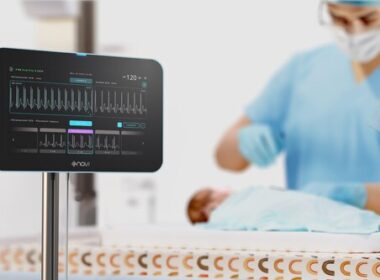
MELBOURNE, Australia and BOSTON, July 28, 2026 /PRNewswire/ — Melbourne- and Boston-based medical device company Navi Medical Technologies has closed a $A6.8 million capital raise to commercialise its breakthrough paediatric vascular access technology in the United States. The raise…
SAN FRANCISCO–(BUSINESS WIRE)–Viz.ai, the leader in AI-powered disease detection and intelligent care coordination, today celebrates its 10th anniversary, marking a decade of transforming how healthcare teams deliver care for patients. The company launched in 2016 to solve a key problem: variability in healthcare means that many patients fail to get guideline based care, even in life threatening diseases like stroke. Since achieving the first FDA clearance for an AI platform and increasing tr
BETHESDA, Md. & TORONTO–(BUSINESS WIRE)–CorVista Health and Analytics For Life today announced FDA clearance of the CorVista® System with Pulmonary Capillary Wedge Pressure (PCWP) Add-On. The PCWP Add-On uses an AI-based algorithm to analyze physiological signals from patients with no history of elevated PCWP or prior right heart catheterization presenting with cardiovascular symptoms, such as chest pain, dyspnea, and fatigue, to indicate the likelihood of elevated PCWP. The clearance marks a
BELFAST, Northern Ireland & NEUCHÂTEL, Switzerland–(BUSINESS WIRE)– #CardiovascularHealth–B-Secur & CSEM partner to help device makers integrate clinically-validated PPG + ECG heart monitoring into wearables and remote monitoring products.
Study substantially exceeded enrollment target of 500 patients Topline results anticipated in Q1 2027 THE WOODLANDS, Texas, July 27, 2026 (GLOBE NEWSWIRE) — Lexicon Pharmaceuticals, Inc. (Nasdaq: LXRX) today announced that randomization of patients has been completed in the pivotal Phase 3 “SOtaglifloziN in Patients with SymptomATic obstructive And non-obstructive Hypertrophic CardioMyopathy (SONATA-HCM)” clinical trial evaluating sotagliflozin in patients with non-obstructive (nHCM) and obstructive (oHCM) hypertrophic cardiomyopathy. The study substantially exceeded its enrollment target of 500 patients across more than 130 sites in 20 countries. The primary efficacy endpoint will assess improvement in symptoms for the entire population (nHCM and oHCM). The final study population included a substantial majority of patients with non-obstructive HCM, providing a robust opportunity to evaluate sotagliflozin in a patient group for whom effective treatment options remain limited, as well as a meaningful cohort of patients with obstructive HCM. Lexicon believes the final study population will enable a thorough assessment of sotagliflozin’s potential across the spectrum of symptomatic HCM. Topline results are anticipated in the first quarter of 2027. “Completion of patient enrollment in SONATA-HCM marks an important milestone for patients living with the symptoms of HCM, a chronic, progressive disease,” said Craig Granowitz, M.D., Ph.D., Lexicon’s senior vice president and chief medical officer. “We believe that sotagliflozin, a dual SGLT1 and SGLT2 inhibitor with a unique mechanism of action as compared to currently available treatments, has the potential to be a differentiated option for symptomatic HCM patients. We look forward to sharing topline results in the first quarter of 2027.” SONATA-HCM is the only ongoing Phase 3 study in both non-obstructive and obstructive HCM and is the largest Phase 3 study including both nHCM and oHCM to date. SONATA-HCM is a randomized, double-blind, placebo-controlled, multinational trial that is evaluating the efficacy of sotagliflozin on symptoms, function, and other patient-reported outcomes, as well as safety, in patients with symptomatic HCM. The primary efficacy endpoint is improvement in symptoms, as measured by change from baseline to week 26 in the Kansas City Cardiomyopathy Questionnaire Clinical Summary Score (KCCQ CSS). Patients with symptomatic HCM on a stable dose of guideline-directed therapy for HCM, including cardiac myosin inhibitors, were permitted to enroll in the study depending on certain criteria. “For patients living with hypertrophic cardiomyopathy, there remains a significant need for additional treatment options that can help address persistent symptoms and improve daily function,” said Sharlene M. Day, M.D., co-principal investigator for SONATA-HCM, Presidential Professor, Director of Translational Research of the Penn Cardiovascular Institute, University of Pennsylvania. “Having a well-tolerated medication with a distinct mechanism of action that can complement other therapies would be an important advance for physicians and patients.” “Completing enrollment in SONATA-HCM is a major achievement for the HCM community and reflects the commitment of investigators, study teams and participants,” said Carolyn Y. Ho, M.D., co-principal investigator for SONATA-HCM, Professor of Medicine at Harvard Medical School and Medical Director of the Cardiovascular Genetics Center at Brigham and Women’s Hospital. “We are grateful to the patients involved in this trial, whose partnership is essential to advancing research and hopefully bringing a novel treatment option to people living with HCM.” About SotagliflozinDiscovered using Lexicon’s unique approach to gene science, sotagliflozin is an oral inhibitor of two proteins responsible for glucose regulation known as sodium-glucose cotransporter types 2 and 1 (SGLT2 and SGLT1). SGLT2 is responsible for glucose and sodium reabsorption by the kidney and SGLT1 is responsible for glucose and sodium absorption in the gastrointestinal tract. Sotagliflozin has been studied in multiple patient populations encompassing heart failure, diabetes, and chronic kidney disease in clinical studies involving approximately 20,000 patients. Sotagliflozin is also currently under investigation for hypertrophic cardiomyopathy (HCM). About Lexicon PharmaceuticalsLexicon is a biopharmaceutical company with a mission of pioneering medicines that transform patients’ lives. Lexicon has a pipeline of drug candidates in discovery, preclinical, and clinical development in neuropathic pain, hypertrophic cardiomyopathy (HCM), obesity and metabolic disorders, and other cardiometabolic indications. For additional information, please visit www.lexpharma.com. Safe Harbor StatementThis press release contains “forward-looking statements,” including statements relating to the research, development and therapeutic and commercial potential of sotagliflozin in hypertrophic cardiomyopathy. In addition, this press release may also contain forward-looking statements relating to Lexicon’s financial position and long-term outlook on its business, including the commercialization of its approved products and the clinical development of, regulatory filings for, and potential therapeutic and commercial potential of its other drug candidates. In addition, this press release also contains forward looking statements relating to Lexicon’s growth and future operating results, discovery, development and commercialization of products, strategic alliances and intellectual property, as well as other matters that are not historical facts or information. All forward-looking statements are based on management’s current assumptions and expectations and involve risks, uncertainties and other important factors, specifically including Lexicon’s ability to meet its capital requirements, successfully commercialize its approved products, successfully conduct preclinical and clinical development and obtain necessary regulatory approvals of its other drug candidates on its anticipated timelines, achieve its operational objectives, obtain patent protection for its discoveries and establish strategic alliances, as well as additional factors relating to manufacturing, intellectual property rights, and the therapeutic or commercial value of its approved products and other drug candidates. Any of these risks, uncertainties and other factors may cause Lexicon’s actual results to be materially different from any future results expressed or implied by such forward-looking statements. Information identifying such important factors is contained under “Risk Factors” in Lexicon’s annual report on Form 10-K for the year ended December 31, 2025, as filed with the Securities and Exchange Commission. Lexicon undertakes no obligation to update or revise any such forward-looking statements, whether as a result of new information, future events or otherwise. For Media Inquiries:Dave BelianLexicon Pharmaceuticals, Inc.lexinvest@lexpharma.com For Investor Inquiries:Lisa DeFrancescoLexicon Pharmaceuticals, Inc.lexinvest@lexpharma.com
Reintroduction reflects clinician input and Curium investments to support reliable, long-term U.S. supplyBOSTON, July 27, 2026 (GLOBE NEWSWIRE) — Curium™ announced today the immediate reintroduction of Thallous Chloride TI 201 Injection (commonly known as thallium 201) in the U.S., restoring access to a radiopharmaceutical used in nuclear cardiology after production ceased in 2022. Renewed availability can help diversify diagnostic pathways for select patients undergoing myocardial perfusion evaluation. The return of TI 201 offers an additional option to clinicians in select scenarios, for example viability testing in environments where PET or MRI may be unavailable or impractical. In these high-stakes situations, timely imaging can help reduce uncertainty and allow clinicians to make critical treatment decisions. Curium’s decision to reintroduce TI 201 reflects input and collaboration from the nuclear cardiology community on where TI 201 adds clinical value, along with Curium’s commitment to supporting patients and addressing unmet diagnostic needs. TI 201 will be produced at Curium’s Maryland Heights, Missouri, facility, supported by investments including cyclotron upgrades, processing and filing infrastructure, staffing and training, and expanded quality-control resources to support consistent product release. Mike Patterson, Curium North America’s Chief Executive Officer, said: “When clinicians express they are facing a real gap in care, our job is to help close it. We are proud to collaborate with leaders in the community to make thallium 201 available again and restore access to a key diagnostic capability for a vulnerable patient population. This reintroduction goes beyond just restarting production – it required specialized infrastructure, cyclotron investment, manufacturing readiness, and added quality resources to help ensure a reliable, long-term U.S. supply.” Andrew J. Einstein, MD, PhD, Director of Nuclear Cardiology, Cardiac CT and Cardiac MRI at NewYork-Presbyterian/Columbia University Irving Medical Center, said: “Restoring access to thallium 201 expands clinicians’ diagnostic options, particularly when PET or MRI is not available or when sites need an alternative for stress testing. For select patients, thallium 201 can support timely, actionable imaging when operational flexibility matters, helping to reduce uncertainty so care teams can make confident, time-sensitive decisions and move quickly to the most appropriate next steps.” Indications & Usage Thallous Chloride Tl 201 Injection is a diagnostic radiopharmaceutical indicated for: Myocardial perfusion imaging in adults with planar scintigraphy or single-photon emission computed tomography (SPECT) for the diagnosis of coronary artery disease by localization of: Non-reversible defects (myocardial infarction) which may have prognostic value regarding survival.Reversible defects (myocardial ischemia) when used in conjunction with exercise or pharmacologic stress. Localization of sites of parathyroid hyperactivity pre- and post- operatively in adults with elevated serum calcium and parathyroid hormone levels. IMPORTANT SAFETY INFORMATION Warnings and Precautions Hypersensitivity reactions (anaphylaxis, hypotension, shortness of breath, pruritus, flushing, and diffuse rash) have been reported. Have resuscitation equipment and trained staff readily available.Risk associated with Stress Testing: Induction of cardiovascular stress may be associated with myocardial infarction, arrhythmia, hypotension or hypertension, ECG abnormalities, chest pain, bronchoconstriction, and cerebrovascular events. Perform stress testing in the setting where cardiac resuscitation equipment and trained staff are readily available. Perform pharmacologic stress in accordance with the pharmacologic stress agent’s prescribing information.Radiation Risk: Thallous Chloride Tl 201 contributes to the overall long-term cumulative radiation exposure which is associated with an increased risk of cancer. Ensure safe handling to minimize radiation exposure to patients and health care providers. Advise patients to hydrate before and after administration and to void frequently after administration.Injection site reactions and Tissue Damage: Injection site reactions and extravasation have been reported after administration of Thallous Chloride Tl 201 Injection. Inject Thallous Chloride Tl 201 strictly into the vein to avoid local tissue accumulation and irradiation. Confirm intravenous patency before injection. Adverse Reactions Other adverse reactions include nausea, vomiting, diarrhea, injection site reactions, chills, fever, and sweating. Use in Specific Populations Pregnancy: Assess the pregnancy status of women of childbearing potential prior to performing imaging procedures with Thallous Chloride Tl 201 Injection. Thallous Chloride Tl 201 Injection have the potential to cause fetal harm depending on the fetal stage of development and the magnitude of the radiation dose.Lactation: Thallous Chloride Tl 201 is excreted in human milk. Discontinue nursing or express and discard milk for a minimum of 96 hours after administration of Thallous Chloride Tl 201.Pediatric Use: Safety and effectiveness have not been established in pediatric patients.Geriatric Use: This drug is known to be substantially excreted by the kidney, and the risk of toxic reactions to this drug may be greater in patients with impaired renal function. Because elderly patients are more likely to have decreased renal function, care should be taken in dose selection, and it may be useful to monitor renal function. Please click here for full Prescribing Information. About Curium™ Curium™ is an independent global radiopharmaceutical leader driving innovation in nuclear medicine to change patients’ lives. With an industry heritage dating back more than 100 years, Curium™ has proven expertise in the development, manufacturing and supply of radiopharmaceuticals that transform the way cancer is diagnosed and treated. Headquartered in Boston with offices around the world, Curium’s mission is to find new and better ways to diagnose and treat cancer. With a global footprint that extends to more than 70 countries, a skilled and dedicated team of over 3,800 employees, and five manufacturing sites, Curium™ is uniquely qualified to meet the significant supply and distribution of established products that underlie success in the radiopharmaceuticals market. Curium’s global leadership is embodied in a diverse and extensive portfolio of over 45 products that advance patient care. Curium’s pioneering legacy in nuclear medicine is the foundation of the company’s dedication to innovation and portfolio expansion to cancer therapeutics, particularly in neuroendocrine tumors and with a late-stage pipeline exploring opportunities in prostate cancer. To learn more, visit www.curiumpharma.com. Inquiries:Curium GroupCamilla CampellVP, Head of Global CommunicationsCamilla.campbell@curiumpharma.com


