Tag: Heartflow

Heartflow Plaque Analysis Now Supported by Scientific Statements From American College of Cardiology and American Heart Association for Personalized Management of Patients with Suspected CAD

Reinforces Role of AI-Powered Quantitative Coronary Plaque AssessmentMOUNTAIN VIEW, Calif., Dec. 18, 2025 (GLOBE NEWSWIRE) — Heartflow, Inc. (Heartflow) (Nasdaq: HTFL), the leader in AI technology for coronary artery disease (CAD), announced the American College of Cardiology (ACC) and the American Heart Association (AHA) published new scientific statements supporting the prognostic value of quantifying coronary plaque and reinforcing the critical role of the coronary computed tomography angiography (CTA) + Heartflow pathway in CAD patient management. The ACC’s consensus recommendations, published this week in JACC: Cardiovascular Imaging, highlight the importance of quantitative plaque assessment and underscore the benefits of adopting AI-powered Heartflow Plaque Analysis for personalized, precision cardiac care.1 The ACC statement elevates plaque analysis from an emerging technology to a defined clinical consideration in CAD management, outlining appropriate patient selection and best practices for interpreting and reporting. In direct alignment with the ACC’s call for rigorous quality assurance, reproducible results, and “human in the loop” analysis, Heartflow delivers a differentiated standard for clinical plaque quantification by combining AI-driven analysis with expert quality review. Heartflow Plaque Analysis is the only FDA-cleared, AI-powered plaque quantification tool with 95% agreement to the gold standard, IVUS, using blinded core lab adjudication.2 This rigor, together with Heartflow’s commitment to standardized reporting and advanced algorithmic approaches such as adaptive thresholds, reflects a level of validation and quality oversight consistent with ACC guidance. The AHA statement, published recently in Circulation, reinforces plaque burden and composition as central in managing nonobstructive CAD.3 The expert authors emphasize that patients with nonobstructive CAD should not be considered low-risk, recognizing that coronary plaque burden, extent, and composition are major determinants of outcomes. Earlier this year, a commission perspective published in The Lancet called for a fundamental shift in managing CAD, urging clinicians to focus on identifying and managing plaque early, before the opportunity for prevention has been lost.4 Together, the scientific statements from ACC and AHA reinforce that broader paradigm shift toward understanding plaque burden, not just artery obstruction, in modern CAD management. “The ACC and AHA scientific statements address an important need by providing evidence-based consensus recommendations for clinicians and imagers, solidifying coronary CTA-based quantitative plaque analysis as a powerful tool for enhanced risk stratification in patients with suspected CAD,” said Ron Blankstein, M.D., writing committee member for both the ACC and AHA statements, Director of Cardiac Computed Tomography at Brigham and Women’s Hospital, and Professor of Medicine and Radiology at Harvard Medical School. “These statements highlight the limitations of current methods to assess risk based on risk factors or stenosis severity alone. Integrating AI-powered technology into clinical practice using ACC and AHA’s guidance can help clinicians move beyond diagnosing blockages, toward predicting and preventing major cardiovascular events.” Both the ACC and AHA scientific statements support the use of quantitative coronary plaque analysis to identify high-risk patients, enabling the immediate and appropriate initiation of preventive treatment. Heartflow Plaque Analysis addresses the need to quantify disease following visual detection of plaque, and is delivered instantly upon order to maintain seamless clinical integration and enable timely clinical decision-making. “The ACC and AHA scientific statements signal growing consensus that plaque assessment is essential for risk stratification, prevention, and long-term CAD management. Heartflow Plaque Analysis enables more precise risk stratification for personalized, preventive treatment plans,” said Campbell Rogers, M.D., F.A.C.C., Chief Medical Officer at Heartflow. “The expert guidance articulates the need for rigorous validation and standardization, which Heartflow is uniquely positioned to address, given our technology and quality systems already align with these stringent recommendations. We are energized by the opportunity to continue collaborating with clinicians as a catalyst to redefine and improve precision cardiovascular care.” The ACC and AHA’s scientific statements reflect a growing body of clinical evidence further substantiating the prognostic significance of Heartflow Plaque Analysis. A retrospective analysis of symptomatic patients from a cohort of the FISH&CHIPS Study presented at the AHA Scientific Sessions 2025 provided the largest validation to date of the Heartflow Plaque Staging framework based on total plaque volume measurement as a predictor of future heart attacks or cardiovascular death.5 The company is generating additional real-world evidence through the DECIDE registry, the largest prospective registry evaluating the clinical impact of Heartflow Plaque Analysis on medical management decisions. The DECIDE registry showed that more than 50% of patients had their medical management changed when Plaque Analysis with Plaque Staging* was added compared to their management based on CCTA alone.6 About Heartflow’s Technology and ResearchHeartflow’s technology is redefining precision cardiovascular care through clinically-proven AI and the world’s largest coronary imaging dataset. Heartflow has been adopted by more than 1,400 institutions globally and continues to strengthen its commercial presence to make this cutting-edge solution more widely available to an increasingly diverse patient population. Backed by ACC/AHA guidelines and supported by more than 600 peer-reviewed publications, Heartflow has redefined how clinicians manage care for over 500,000 patients worldwide. Key benefits include: Proprietary data pipeline: Built from more than 110 million annotated CTA images, Heartflow’s data foundation powers advanced AI models that deliver highly accurate, reproducible insights across diverse patient populations.Extensive clinical and real-world validation: Heartflow’s AI-driven solutions have been validated through clinical evidence in over 100 studies assessing over 365,000 patients. Proven in real-world practice with reproducibility and accuracy, Heartflow’s coronary CTA image acceptance rates exceed 97%.Seamless clinical integration via upgraded workflow: Heartflow delivers final quality-reviewed analyses instantly upon order, enabling clinicians to move from diagnosis to decision without delay.Quality system, global security and patient-data integrity compliance: Heartflow meets or exceeds leading international standards, including HITRUST, SOC 2 Type 2, ISO 13485, and ISO 27001. About Heartflow, Inc.Heartflow is transforming coronary artery disease from the world’s leading cause of death into a condition that can be detected early, diagnosed accurately, and managed for life. The Heartflow One platform uses AI to turn coronary CTA images into personalized 3D models of the heart, providing clinically meaningful, actionable insights into plaque location, volume, and composition and its effect on blood flow — all without invasive procedures. Discover how we’re shaping the future of cardiovascular care at heartflow.com. Media ContactElliot Levyelevy@heartflow.com Investor ContactNick Laudiconlaudico@heartflow.com 1 Chandrashekhar Y, Blankstein R, Shaw L. et al. Quantitative Coronary Plaque Analysis in Clinical Practice: 2025 ACC Scientific Statement: A Report of the American College of Cardiology. J Am Coll Cardiol Img. doi: 10.1016/j.jcmg.2025.11.0082 Ihdayhid A, et al. Radiol Cardiothorac Imaging. 2024. doi: 10.1148/ryct.230312 and internal bridging study with ICC correlation between first generation and second generation Plaque Analysis algorithm.3 Slipczuk L, Blankstein R, Bucciarelli-Ducci C. et al. State of the art: evaluation and medical management of nonobstructive coronary artery disease in patients with chest pain: a scientific statement from the American Heart Association. Circulation. 2025;152:e443–e466. doi: 10.1161/CIR.00000000000013944 Zaman, Sarah et al. The Lancet Commission on rethinking coronary artery disease: moving from ischaemia to atheroma. The Lancet. 2025;405,10486:1264-1312. Doi: 10.1016/S0140-6736(25)00055-85 Fairbairn et al. AHA 2025.6 DECIDE Registry. Rinehart, et al., presented at SCCT 2025.*Heartflow Plaque Analysis is an FDA-cleared device. Heartflow Plaque Staging is an investigational-only framework, and its safety and effectiveness have not been reviewed by the FDA.

Heartflow FFRCT Analysis Delivers Prognostic Power and Significant Cost Savings in New Analyses of Over 90,000 Patients with Coronary Artery Disease

Lesion-specific FFRCT predicts individual cardiovascular outcomes and delivers greater-than-modeled cost savings for real-world population in FISH&CHIPS analyses from England’s National Health ServiceMOUNTAIN VIEW, Calif., Dec. 11, 2025 (GLOBE NEWSWIRE) — Heartflow, Inc. (Heartflow) (Nasdaq: HTFL), the leader in AI technology for coronary artery disease (CAD), announced two new analyses from FISH&CHIPS, a real-world, multicenter, retrospective study of more than 90,000 patients conducted by the National Health Service (NHS) in England, representing the largest fractional flow reserve (FFRCT) study ever conducted. The data, presented today at the European Society of Cardiology’s European Association of Cardiovascular Imaging (EACVI) conference in Vienna, provide the strongest real-world evidence to date that Heartflow FFRCT Analysis derived from coronary computed tomography angiography (CTA) improves diagnostic decision-making, predicts future cardiovascular events, and delivers substantial, system-wide cost savings. “These real-world data show that coronary CTA plus Heartflow FFRCT Analysis brings both clinical and economic value when utilized in a large health system,” said Timothy Fairbairn, Ph.D., principal investigator for the FISH&CHIPS study, Liverpool Heart and Chest Hospital, and Associate Professor at the University of Liverpool, UK. “The introduction of Heartflow FFRCT Analysis into the NHS resulted in fewer avoidable tests, lower inpatient and outpatient costs, and substantial overall savings for both the hospitals and patients. It’s a compelling example of how noninvasive AI-powered technology can reshape care pathways at scale.” Lesion-Specific Heartflow FFRCT Analysis Predicts Individual Cardiovascular OutcomesIn a nationwide analysis of 7,836 patients who underwent FFRCT in the FISH&CHIPS study, investigators evaluated the prognostic value of Heartflow FFRCT Analysis across individual outcomes, including myocardial infarction (MI), cardiovascular mortality, all-cause mortality, and revascularization. Key findings include:1 The lower the FFRCT values, the higher the risk of MI, revascularization, cardiovascular death, and all-cause death, independent of traditional cardiovascular risk factors.Patients with the lowest FFRCT values faced a four-fold increased risk of heart attack and a three-fold increased risk of cardiovascular death.Lesion-specific FFRCT (measured just beyond a specific stenosis) was the strongest predictor in the study of MI and revascularization, compared to distal vessel FFRCT (measured at the end of the artery). Heartflow FFRCT Analysis Delivers Greater-Than-Expected Cost SavingsA separate analysis of FISH&CHIPS data evaluated the cost-effectiveness of incorporating Heartflow FFRCT Analysis into the diagnostic pathway for stable CAD. The findings showed that the national program:2 Reduced downstream cardiovascular testing, including invasive coronary angiography.Increased appropriate revascularization and improved revascularization ratios.Produced £1,042 GBP ($1,394 USD) in per-patient cost savings at two years, substantially exceeding the cost savings modeled by NHS and the National Institute for Health and Care Excellence (NICE) during initial assessment and adoption. This suggests a potential £25 million GBP ($33.45 million USD) cost savings per year for the health system.Demonstrated cost savings beginning in the first year, with benefits persisting in lifetime modeling. “These data provide compelling real-world evidence underscoring the clinical value of lesion-specific Heartflow FFRCT Analysis to provide precise, localized physiological assessments,” said Campbell Rogers, M.D., F.A.C.C., Chief Medical Officer at Heartflow. “We now see that lesion-specific FFRCT insights can also help predict which patients are most likely to experience future events, enabling clinicians to tailor care earlier with greater precision and reduce costs.” These analyses are the latest to demonstrate the prognostic power of the Heartflow One platform, the most accurate noninvasive AI-enabled CAD assessment technology, including RoadMap™ Analysis, FFRCT Analysis and Plaque Analysis. Insights from FISH&CHIPS add to a growing body of evidence demonstrating the clinical and economic value of the Heartflow One platform providing superior patient outcomes in patients with confirmed CAD.3,4 A retrospective analysis of symptomatic patients from a cohort of the FISH&CHIPS Study presented at the American Heart Association (AHA) Scientific Sessions 2025 provided strong validation of total plaque volume-based staging measured with Heartflow Plaque Analysis as a predictor of future heart attacks or cardiovascular death.5 Heartflow One provides an integrated workflow that empowers physicians to improve care by enabling a faster, more optimal diagnosis to avoid unnecessary tests. About FISH&CHIPSFISH&CHIPS, the largest FFRCT study conducted to date, is a real-world, multicenter, quasi-experimental observational clinical study designed to assess the incremental impact of adding FFRCT to a coronary CTA-first diagnostic paradigm for CAD at a national level. The study analyzed data from 27 NHS hospital sites in England, including 90,553 patients followed for at least two years. The primary objective was to determine whether introducing a coronary CTA+FFRCT diagnostic pathway was clinically useful and safe compared to a standard-of-care diagnostic chest pain pathway using coronary CTA alone. Two-year data were published in May 2025 in Nature Medicine, showing improved care efficiency with a reduction in unnecessary invasive and noninvasive cardiac tests using coronary CTA and Heartflow FFRCT versus coronary CTA alone. The study was funded by the UK Medical Research Council (MRC) and supported by the National Institute for Health and Care Research (NIHR) Research Delivery Network. About Heartflow’s Technology and ResearchHeartflow’s technology is redefining precision cardiovascular care through clinically-proven AI and the world’s largest coronary imaging dataset. Heartflow has been adopted by more than 1,400 institutions globally and continues to strengthen its commercial presence to make this cutting-edge solution more widely available to an increasingly diverse patient population. Backed by ACC/AHA guidelines and supported by more than 600 peer-reviewed publications, Heartflow has redefined how clinicians manage care for over 500,000 patients worldwide. Key benefits include: Proprietary data pipeline: Built from more than 110 million annotated CTA images, Heartflow’s data foundation powers advanced AI models that deliver highly accurate, reproducible insights across diverse patient populations.Extensive clinical and real-world validation: Heartflow’s AI-driven solutions have been validated through clinical evidence in over 100 studies assessing over 365,000 patients. Proven in real-world practice with reproducibility and accuracy, Heartflow’s coronary CTA image acceptance rates exceed 97%.Seamless clinical integration via upgraded workflow: Heartflow delivers final quality-reviewed analyses instantly upon order, enabling clinicians to move from diagnosis to decision without delay.Quality system, global security and patient-data integrity compliance: Heartflow meets or exceeds leading international standards, including HITRUST, SOC 2 Type 2, ISO 13485, and ISO 27001. About Heartflow, Inc.Heartflow is transforming coronary artery disease from the world’s leading cause of death into a condition that can be detected early, diagnosed accurately, and managed for life. The Heartflow One platform uses AI to turn coronary CTA images into personalized 3D models of the heart, providing clinically meaningful, actionable insights into plaque location, volume, and composition and its effect on blood flow — all without invasive procedures. Discover how we’re shaping the future of cardiovascular care at heartflow.com. Media ContactElliot Levyelevy@heartflow.com Investor ContactNick Laudiconlaudico@heartflow.com ‾‾‾‾‾‾‾‾‾‾‾‾‾‾‾‾‾‾‾‾‾‾‾‾‾‾‾‾‾‾‾‾‾‾‾‾‾‾‾‾‾1 Bell et al. AHA 2025.2 Fairbairn et al. EACVI 2025. 3 Madsen KT, et al. ADVANCE-DK 7-year. Presented at TCT Scientific Sessions 20244 Douglas PS, et al. The PRECISE Randomized Clinical Trial. JAMA Cardiol. 2023;8(10):904–914. doi:10.1001/jamacardio.2023.25955 Fairbairn et al. AHA 2025.

AHA 2025: Late-Breaking Data Reinforce the Prognostic Power of AI-Driven Heartflow Plaque Analysis as the Most Clinically Validated Framework for Coronary Risk Stratification

Multicenter outcomes FISH&CHIPS study of nearly 8,000 patients confirms total plaque volume as a powerful independent predictor of long-term cardiovascular events
Heartflow Plaque Staging Personalizes Individual Cardiac Risk

*Heartflow Plaque Analysis is an FDA-cleared device. Heartflow Plaque Staging is an investigational only framework and its safety and effectiveness have not been reviewed by the FDA.

Overall Considerations

3. Tzimas, et al. JACC. 2023. https://doi.org/10.1016/j.jcmg.2023.05.011

NEW ORLEANS, Nov. 09, 2025 (GLOBE NEWSWIRE) — Heartflow, Inc. (Heartflow) (Nasdaq: HTFL), the leader in AI technology for coronary artery disease (CAD), today announced late-breaking data from the FISH&CHIPS Study presented at the American Heart Association (AHA) Scientific Sessions 2025. The new data add to the robust and growing body of evidence supporting AI-powered Heartflow Plaque Analysis with Heartflow Plaque Staging* — the most clinically validated framework for actionable CAD care. The retrospective analysis, which evaluated nearly 8,000 symptomatic patients from a cohort of the FISH&CHIPS Study, represents the largest validation to date of the Heartflow Plaque Staging framework based on total plaque volume (TPV) measurement.1 Key findings include: Patients in the highest TPV stage experienced more than a 5x greater risk of major cardiovascular events compared with patients in the lowest stage (hazard ratio 5.10, p-value < 0.0001).Higher plaque volume stages were independently associated with significantly increased rates of cardiovascular death and myocardial infarction over a median 3.3 years of follow-up.Associations remained significant after adjustment for coronary stenosis, FFRCT values and cardiovascular risk factors. “This study provides strong validation of TPV-based staging measured with Heartflow Plaque Analysis as a predictor of future heart attacks or cardiovascular death,” said Timothy Fairbairn, Ph.D., principal investigator for the FISH&CHIPS study, Liverpool Heart and Chest Hospital, and Associate Professor at the University of Liverpool, UK. “The ability to accurately measure plaque will enable cardiologists to better predict which patients are most at risk above the traditional risk factors, and thus personalize treatment, in order to prevent heart attacks or death in the future.” The findings build on results from the DECIDE Registry presented at the Society of Cardiovascular Computed Tomography (SCCT) 2025 Annual Scientific Meeting in July. DECIDE data showed that Heartflow Plaque Analysis with Plaque Staging led to changes in medical management for more than half of patients, resulting in an average reduction in LDL cholesterol of 18.7 mg/dL at 90 days. These results indicate management changes guided by Heartflow Plaque Staging result in an expected 15% decrease in risk of a cardiac event.2,3,4 “We are demonstrating how AI-powered Heartflow Plaque Analysis with Heartflow Plaque Staging can fundamentally change the way we manage CAD,” said Campbell Rogers, M.D., F.A.C.C., Chief Medical Officer at Heartflow. “These latest findings show that by embedding plaque insights directly into the diagnostic pathway, we can help physicians make more confident decisions to guide personalized and precise treatment for their patients.” *Heartflow Plaque Analysis is an FDA-cleared device. Heartflow Plaque Staging is an investigational-only framework, and its safety and effectiveness have not been reviewed by the FDA. About Heartflow’s Technology and ResearchHeartflow’s technology is redefining precision cardiovascular care through clinically-proven AI and the world’s largest coronary imaging dataset. Heartflow has been adopted by more than 1,400 institutions globally and continues to strengthen its commercial presence to make this cutting-edge solution more widely available to an increasingly diverse patient population. Backed by ACC/AHA guidelines and supported by more than 600 peer-reviewed publications, Heartflow has redefined how clinicians manage care for nearly 500,000 patients worldwide. Key benefits include: Proprietary data pipeline: Built from more than 110 million annotated CTA images, Heartflow’s data foundation powers advanced AI models that deliver highly accurate, reproducible insights across diverse patient populations.Extensive clinical and real-world validation: Heartflow’s AI-driven solutions have been validated through clinical evidence in over 100 studies assessing over 365,000 patients. Proven in real-world practice with reproducibility and accuracy, Heartflow’s coronary CTA image acceptance rates exceed 96%.Seamless clinical integration via upgraded workflow: Heartflow delivers final quality-reviewed analyses instantly upon order, enabling clinicians to move from diagnosis to decision without delay.Quality system, global security and patient-data integrity compliance: Heartflow meets or exceeds leading international standards, including HITRUST, SOC 2 Type 2, GDPR, HIPAA, CCPA, ISO 13485, and ISO 27001. About Heartflow, Inc.Heartflow is transforming coronary artery disease from the world’s leading cause of death into a condition that can be detected early, diagnosed accurately, and managed for life. The Heartflow One platform uses AI to turn coronary CTA images into personalized 3D models of the heart, providing clinically meaningful, actionable insights into plaque location, volume, and composition and its effect on blood flow — all without invasive procedures. Discover how we’re shaping the future of cardiovascular care at heartflow.com. Media ContactElliot Levyelevy@heartflow.com Investor ContactNick Laudiconlaudico@heartflow.com Photos accompanying this announcement are available at https://www.globenewswire.com/NewsRoom/AttachmentNg/4702aa38-c48c-4291-91aa-937325c8206f https://www.globenewswire.com/NewsRoom/AttachmentNg/a2a0e458-a265-4790-90b4-33f7403b0b2e 1 Fairbairn et al. AHA 2025.2 Rinehart SJ, et al. DECIDE Primary Outcomes. J Cardiovasc Comput Tomogr. 2025; 19(4):S78-79. doi.org/10.1016/j.jcct.2025.05.1853 Collins et al. Lancet 2016. DOI: 10.1016/S0140-6736(16)31357-54 Fairbairn et al. HEART. 2025. doi:10.1136/heartjnl-2025-BSCI.5
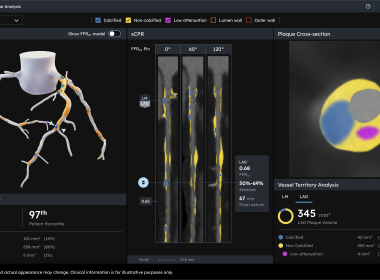
Heartflow to Present Late-Breaking Data Advancing AI-Driven Heartflow Plaque Analysis at AHA 2025

Data to highlight the precision of AI-powered Heartflow Plaque Staging framework in predicting long-term cardiovascular outcomesMOUNTAIN VIEW, Calif., Nov. 03, 2025 (GLOBE NEWSWIRE) — Heartflow, Inc. (Heartflow) (Nasdaq: HTFL), the leader in AI technology for coronary artery disease (CAD), today announced it will present new late-breaking data highlighting the clinical and economic value of Heartflow Plaque Analysis at the American Heart Association (AHA) Scientific Sessions 2025, taking place November 7-10 in New Orleans. The late-breaking Plaque Analysis data evaluate risk prediction with Heartflow Plaque Staging* and will remain under embargo until the featured science presentation, “Coronary CT Angiography Plaque as a Predictor of Death, Cardiovascular Death and Myocardial Infarction” on Sunday, November 9, at 12:30 p.m. CST. Timothy Fairbairn, M.D., principal investigator for the FISH&CHIPS study, Liverpool Heart and Chest Hospital NHS Foundation Trust, and Associate Professor at the University of Liverpool, will present the study. With seven abstracts at this year’s AHA Scientific Sessions, Heartflow is significantly advancing the scientific foundation for Plaque Analysis as a key advance guiding cardiovascular risk prediction and personalized treatment. As the established leader in AI-driven coronary care, Heartflow continues to invest in high-quality research to benefit all stakeholders in the healthcare system, fully demonstrating the utility of the Heartflow One platform in transforming CAD into a manageable disease. “Heartflow’s presentations at the AHA Scientific Sessions reflect our ongoing investment in clinical research to validate Plaque Analysis with Heartflow Plaque Staging, empowering cardiologists to personalize treatment plans using non-invasive precision technology,” said Campbell Rogers, M.D., F.A.C.C., Chief Medical Officer at Heartflow. “By providing AI-driven insights into plaque quantification, we’re helping clinicians see the full picture of coronary artery disease and building more effective pathways for diagnosis, management, and prevention.” Heartflow’s data presentations at AHA will include: Coronary CT Angiography Plaque as a Predictor of Death, Cardiovascular Death and Myocardial Infarction Session: Pan Vascular Interventions: Anatomy and Interventions Across Various Vascular BedsPresenter: Timothy Fairbairn, M.D.Date: Sunday, November 9Time: 12:30-12:38 p.m. CSTLocation: Clinical Science Zone 1‚ Moderated Digital Poster 5 Improvements in Diagnostic and Therapeutic Cardiovascular Risk Assessment Through Total Plaque Volume Burden: An Analysis of the FISH&CHIPS StudyFinalist for the Quest Diagnostics Early Career Investigator Award for Preventive Cardiovascular Medicine Research Session: Quest Diagnostics Early Career Investigator Award for Preventive Cardiovascular Medicine Research CompetitionPresenter: Shyon Parsa, M.D., Internal Medicine Resident at Stanford University HospitalDate: Sunday, November 9Time: 10:30-10:40 a.m. CSTLocation: 208-209 Population Changes in AI Coronary Plaque Volumes over 7 Years Session: New Frontiers in Cardiovascular Risk: Trends and Drivers in Cardiovascular Mortality and OutcomesPresenters: Allen Taylor, M.D., F.A.C.C., F.A.H.A., Chairman of Cardiology, MedStar Heart and Vascular Institute and Professor of Medicine at Georgetown University and Matthew Budoff, M.D., Professor of Medicine at the David Geffen School of Medicine at the University of California Los Angeles (UCLA) Medical CenterDate: Saturday, November 8Time: 10:30-11:30 a.m. CSTLocation: Population Science Zone AI-enabled Plaque Phenotype Analysis of Coronary Computed Tomography Angiography Findings in Patients with Nonacute Chest Pain using FFRCT: Results from the PRECISE Trial Session: Imaging Insights from Multicenter Clinical TrialsPresenter: Jonathon Leipsic, M.D., F.R.C.P.C., M.S.C.C.T., Professor and Chair of Radiology and Professor of Cardiology at the University of British ColumbiaDate: Saturday, November 8Time: 11:34-11:39 a.m. CSTLocation: Clinical Science Zone 1‚ Moderated Digital Poster 8 Cost-Effectiveness of AI-Enabled Coronary Plaque Analysis for Management of Stable Coronary Artery Disease Session: Transforming Cardiac Imaging and Risk Assessment Through AIPresenter: Daniel D’Attilio, Director, Healthcare Economics and Outcomes Research, HeartflowDate: Saturday, November 8Time: 12:36-12:41 p.m. CSTLocation: Clinical Science Zone 1‚ Moderated Digital Poster 4 Statin Use Mitigates Androgen Deprivation Therapy-Associated Coronary Atherosclerosis in Prostate Cancer: A Secondary Analysis of the REVELUTION Randomized Clinical Trial Session: Cardiac Amyloidosis and Cardiometabolic ConundrumsPresenter: Marly van Assen, Ph.D., Co-director of the Translational Laboratory for Cardiothoracic Imaging and Artificial Intelligence, Head of CT and AI Research, and Assistant Professor, Emory UniversityDate: Saturday, November 8Time: 2:27-2:32 p.m. CSTLocation: Clinical Science Zone 2‚ Moderated Digital Poster 19 Accelerated Coronary Atherosclerosis Following Relugolix Versus Leuprolide Androgen Deprivation Therapy in Men with Prostate Cancer (REVELUTION): An Open-Label Randomized Controlled Trial Session: Where Cancer and Cardiovascular Disease Collide: Risks, Disparities, and Evolving EvidencePresenter: Marly van Assen, Ph.D., Co-director of the Translational Laboratory for Cardiothoracic Imaging and Artificial Intelligence, Head of CT and AI Research, and Assistant Professor, Emory UniversityDate: Saturday, November 8Time: 3:15-3:20 p.m. CSTLocation: Population Science Zone‚ Moderated Digital Poster 12 Heartflow invites AHA attendees to a Heart Theater Symposium exploring how AI-driven plaque quantification is transforming CAD management: AI-Plaque Analysis: The Paradigm Shift in CAD Management Moderator: Seth Martin, M.D., M.H.S., FAHA, Professor of Medicine and Cardiologist at Johns Hopkins School of MedicinePanelists: Fatima Rodriguez, M.D., F.A.C.C., Section Chief of Preventive Cardiology and Associate Professor in the Division of Cardiovascular Medicine at Stanford University, and Ron Blankstein, M.D., Director of Cardiac Computed Tomography at Brigham and Women’s Hospital and Professor of Medicine at Harvard Medical SchoolDate: Sunday, November 9Time: 3:15-4:00 p.m. CSTLocation: Heart Theater 1 *Heartflow Plaque Analysis is an FDA-cleared device. Heartflow Plaque Staging is an investigational-only framework and its safety and effectiveness have not been reviewed by the FDA. About Heartflow’s Technology and ResearchHeartflow’s technology is redefining precision cardiovascular care through clinically-proven AI and the world’s largest coronary imaging dataset. Heartflow has been adopted by more than 1,400 institutions globally and continues to strengthen its commercial presence to make this cutting-edge solution more widely available to an increasingly diverse patient population. Backed by ACC/AHA guidelines and supported by more than 600 peer-reviewed publications, Heartflow has redefined how clinicians manage care for nearly 500,000 patients worldwide. Key benefits include: Proprietary data pipeline: Built from more than 110 million annotated CTA images, Heartflow’s data foundation powers advanced AI models that deliver highly accurate, reproducible insights across diverse patient populations.Extensive clinical and real-world validation: Heartflow’s AI-driven solutions have been validated through clinical evidence in over 100 studies assessing over 365,000 patients. Proven in real-world practice with reproducibility and accuracy, Heartflow’s coronary CTA image acceptance rates exceed 96%.Seamless clinical integration via upgraded workflow: Heartflow delivers final quality-reviewed analyses instantly upon order, enabling clinicians to move from diagnosis to decision without delay.Quality system, global security and patient-data integrity compliance: Heartflow meets or exceeds leading international standards, including HITRUST, SOC 2 Type 2, GDPR, HIPAA, CCPA, ISO 13485, and ISO 27001. About Heartflow, Inc.Heartflow is transforming coronary artery disease from the world’s leading cause of death into a condition that can be detected early, diagnosed accurately, and managed for life. The Heartflow One platform uses AI to turn coronary CTA images into personalized 3D models of the heart, providing clinically meaningful, actionable insights into plaque location, volume, and composition and its effect on blood flow — all without invasive procedures. Discover how we’re shaping the future of cardiovascular care at heartflow.com. Media ContactElliot Levyelevy@heartflow.com Investor ContactNick Laudiconlaudico@heartflow.com

Heartflow to Report Third Quarter 2025 Financial Results on November 12, 2025

MOUNTAIN VIEW, Calif., Oct. 23, 2025 (GLOBE NEWSWIRE) — Heartflow, Inc. (Heartflow) (Nasdaq: HTFL), the leader in AI technology for coronary artery disease (CAD), today announced it will release financial results for the third quarter of 2025 after market close on Wednesday, November 12, 2025. Management will host a conference call to discuss financial results beginning at 1:30 p.m. PT / 4:30 p.m. ET on November 12, 2025. Those interested in listening to the conference call should register online using this link. Once registered, participants will receive dial-in numbers and a unique PIN to join the call. Participants are encouraged to register more than 15 minutes prior to the start of the call. A live and archived webcast of the event will also be available on the “Investor Relations” section of the Heartflow website at https://ir.heartflow.com/. About Heartflow’s Technology and ResearchBacked by ACC/AHA guidelines and over 600 peer-reviewed publications, Heartflow has redefined how clinicians manage care for nearly 500,000 patients worldwide. Our continuous innovation is driven by an unmatched proprietary data pipeline built from over 110 million annotated CTA images. Heartflow’s AI-driven solutions have been extensively validated through clinical evidence in over 100 studies assessing over 365,000 patients. Proven in real-world practice with reproducibility and accuracy, Heartflow’s coronary CTA image acceptance rates exceed 96%. Heartflow’s integrated workflow delivers analysis instantly upon order, enabling clinicians to move from diagnosis to decision without delay. To uphold the highest security and patient-data integrity standards, Heartflow fully complies with leading global security regulations, including HITRUST, SOC2 Type 2, GDPR, HIPAA, CCPA, ISO 13485, and ISO 27001. About Heartflow, Inc.Heartflow is transforming coronary artery disease from the world’s leading cause of death into a condition that can be detected early, diagnosed accurately, and managed for life. The Heartflow One platform uses AI to turn coronary CTA images into personalized 3D models of the heart, providing clinically meaningful, actionable insights into plaque location, volume, and composition and its effect on blood flow — all without invasive procedures. Discover how we’re shaping the future of cardiovascular care at heartflow.com. Investor ContactNick Laudiconlaudico@heartflow.com Media ContactElliot Levyelevy@heartflow.com

New Heartflow PCI Navigator to Equip Interventional Cardiologists with Pre-procedural Insights to Enable PCI Planning

Heartflow PCI Navigator

Heartflow PCI Navigator is the only integrated, AI-driven percutaneous coronary interventions planning tool that gives interventional cardiologists a patient-specific 3D model—detailing anatomy, plaque composition, and lesion-specific physiology—all aligned to optimize potential stent placement.

PLAN CALCIUM study to be presented at TCT 2025 conference highlights how AI-powered plaque analysis can inform lesion preparation and calcium modification planning NAVIGATE-PCI registry to enroll approximately 2,500 patients across approximately 30 sites to evaluate the impact of CT-guided PCI planning in real-world practice MOUNTAIN VIEW, Calif., Oct. 22, 2025 (GLOBE NEWSWIRE) — Heartflow, Inc. (Heartflow) (Nasdaq: HTFL), the leader in AI technology for coronary artery disease (CAD), today introduced Heartflow PCI Navigator, the newest addition to the Heartflow One platform. PCI Navigator is the only integrated, AI-driven percutaneous coronary interventions (PCI) planning tool that gives interventional cardiologists a patient-specific 3D model — detailing anatomy, plaque composition, and lesion-specific physiology — all aligned to optimize potential stent placement. For the first time, interventional cardiologists can plan PCIs with relevant information brought together in one intuitive view before their patients are in the cath lab. Heartflow will showcase PCI Navigator with live demonstrations at Heartflow’s exhibit booth (#2155) at the upcoming Transcatheter Cardiovascular Therapeutics (TCT®) conference, taking place from October 25-28, 2025, in San Francisco. The company will also present the PLAN CALCIUM study (abstract TCT 417) at the conference on October 26 at 8:30 a.m. PDT. PCI Navigator delivers a streamlined view of essential information for cath lab decision-making by integrating all relevant measurements — including IVUS-like and FFR-like pullback visualizations — into one seamless experience, which typically requires significant time and effort to obtain in the cath lab. “Interventional cardiologists make some of the most critical decisions in coronary care, often with limited information before a case begins. CT-guided PCI addresses that information gap, harnessing insights from the CCTA pathway into a pre-procedural plan to provide physicians the clarity they need for each case. PCI Navigator puts Heartflow at the forefront of that shift,” said Campbell Rogers, M.D., F.A.C.C., Chief Medical Officer of Heartflow. “CCTA with Heartflow analysis helps ensure that all patients warranting invasive management are directed to the cath lab, while also reducing invasive angiograms and improving efficiency. PCI Navigator enhances planning for these patients by integrating anatomy, plaque, and lesion-specific physiology for the interventionalist’s review and input before the procedure.” PCI Navigator Will Deliver a Streamlined View of Essential Information for Cath Lab Decision-making This includes: Procedural Complexity: Lesion-specific FFRCT values, stenosis, plaque location and composition, as well as percent myocardium fed by a vessel, to help understand lesion significance in context.Stent Landing Zones: Cross-sectional and longitudinal reconstructions providing lumen diameter and length measures alongside plaque morphology and stenosis severity to help precisely plan and guide procedures.Planning for Optimal Outcomes: Physiology changes along the lesion (ΔFFRCT) to ensure the stenting procedure addresses the maximal flow gradient for optimal outcomes. By bringing together information that interventional cardiologists need to plan procedures into a web-based interface, PCI Navigator may help streamline procedures with increased efficiency and clinical confidence for both patients and staff. PLAN CALCIUM Study Data to Be Presented at TCT 2025 Heartflow’s technology will be featured in new data from the PLAN CALCIUM Study. The study evaluated how pairing Heartflow Plaque Analysis insights with coronary CTA imaging and FFRCT analysis influenced the decisions of interventional cardiologists undertaking PCI in highly calcified lesions. The addition of AI-powered plaque analysis to coronary CTA, FFRCT and angiography altered plans for calcium modification in over half of lesions, demonstrating the growing potential for CT-guided planning to drive more precise coronary interventions. “Incorporating AI-driven plaque analysis into coronary CTA and lesion-specific FFRCT workflows has great potential to change how we think about lesion preparation,” said Ankitkumar Patel, M.D., M.P.H., Medical Director of the Cardiac Catheterization Laboratory at Hackensack Meridian Mountainside Medical Center, Montclair, NJ. “PLAN CALCIUM data suggest that having information about plaque composition and distribution available ahead of time can help clinicians make more informed decisions about calcium modification and device selection for our patients.” Heartflow to Initiate NAVIGATE-PCI Registry in 2026 The NAVIGATE-PCI Registry will enroll more than 2,500 patients across approximately 30 U.S. sites to assess how PCI Navigator influences physician confidence, procedural safety and efficiency, strategy and patient outcomes compared to standard care. “The NAVIGATE-PCI study is designed to address a major unmet need in how we plan and perform PCI in clinical practice,” said Ziad Ali, M.D., D.Phil., Director of the DeMatteis Cardiovascular Institute at St. Francis Hospital & Heart Center, and Co-Principal Investigator of the study. “By evaluating CT-guided PCI planning using Heartflow PCI Navigator, we aim to better understand how this technology can reshape everyday interventional practice and elevate patient care.” Broader clinical use of PCI Navigator is expected to begin with the NAVIGATE-PCI registry, followed by commercial availability later in 2026. About Heartflow’s Technology and ResearchBacked by ACC/AHA guidelines and over 600 peer-reviewed publications, Heartflow has redefined how clinicians manage care for nearly 500,000 patients worldwide. Our continuous innovation is driven by an unmatched proprietary data pipeline built from over 110 million annotated CTA images. Heartflow’s AI-driven solutions have been extensively validated through clinical evidence in over 100 studies assessing over 365,000 patients. Proven in real-world practice with reproducibility and accuracy, Heartflow’s coronary CTA image acceptance rates exceed 96%. Heartflow’s integrated workflow delivers analysis instantly upon order, enabling clinicians to move from diagnosis to decision without delay. To uphold the highest security and patient-data integrity standards, Heartflow fully complies with leading global security regulations, including HITRUST, SOC2 Type 2, GDPR, HIPAA, CCPA, ISO 13485, and ISO 27001. About Heartflow, Inc.Heartflow is transforming coronary artery disease from the world’s leading cause of death into a condition that can be detected early, diagnosed accurately, and managed for life. The Heartflow One platform uses AI to turn coronary CTA images into personalized 3D models of the heart, providing clinically meaningful, actionable insights into plaque location, volume, and composition and its effect on blood flow — all without invasive procedures. Discover how we’re shaping the future of cardiovascular care at heartflow.com. Media ContactElliot Levyelevy@heartflow.com Investor ContactNick Laudiconlaudico@heartflow.com A photo accompanying this announcement is available at https://www.globenewswire.com/NewsRoom/AttachmentNg/8d62cfec-2cb8-4c89-81bc-eac3f7c1ec44

Heartflow Announces FDA 510(k) Clearance and Launch of Next Generation Heartflow Plaque Analysis Platform

AI-Powered Heartflow Plaque Analysis to be Covered by Cigna Health Plans Nationwide
Next Generation Heartflow Plaque Analysis

Our Next Generation Plaque Analysis platform harnesses an FDA-cleared updated algorithm, vastly expanded nomogram, and advanced 3D color-coded visualization to deliver unprecedented insight into plaque type, volume, and distribution. This update marks the most sophisticated iteration of Heartflow’s technology – empowering clinicians to make confident care decisions with ease.

MOUNTAIN VIEW, Calif., Sept. 22, 2025 (GLOBE NEWSWIRE) — Heartflow, Inc. (Heartflow) (Nasdaq: HTFL), the leader in AI technology for coronary artery disease (CAD), today announced it has received U.S. Food and Drug Administration (FDA) 510(k) clearance for its Next Gen Heartflow Plaque Analysis algorithm and the platform is now available. The technology features an updated algorithm, vastly expanded nomogram, and advanced 3D color-coded visualization of plaque type, volume, and distribution, empowering clinicians with the insights needed to make confident care decisions with ease. Heartflow also announced that Heartflow Plaque Analysis will be covered by Cigna across all of its lines of business, including Commercial and Medicare Advantage plans, beginning in October. Advanced Heartflow Plaque Analysis Platform Provides Clarity in 3D Heartflow Plaque Analysis is the only FDA-cleared, AI-powered plaque quantification tool with a reported 95% agreement with the gold standard, IVUS, using blinded core lab adjudication.1 The latest algorithm advancement shows 21% improvement in plaque detection compared to the first-generation algorithm, so clinicians can be confident in their diagnosis and management of CAD.2 “Understanding not only how much plaque is present, but also plaque type and distribution, is critical in predicting patient risk and guiding personalized treatment,” said Matthew Budoff, M.D., Professor of Medicine at the David Geffen School of Medicine at the University of California Los Angeles (UCLA) Medical Center. “With these enhanced capabilities, Heartflow Plaque Analysis provides clinicians with the clarity we need to move from detection to decision with speed and confidence.” Leveraging enhanced AI, this new Plaque Analysis update marks the most sophisticated iteration of Heartflow’s technology. It provides clinicians with an intuitive visual representation of plaque types, enabling rapid assessment of CAD location and severity. Heartflow’s enhanced nomogram is powered by data from ~273,000 patients—a dataset 9x larger than any current plaque quantification study.3 Cigna Adds Nationwide Coverage for Heartflow Plaque Analysis Cigna is the second national insurer to update its policies to cover Heartflow Plaque Analysis to fully align with the guidelines issued by radiology benefit manager EviCore, following a similar decision by UnitedHealthcare. The updated coverage will become effective on October 1, 2025 for Cigna patients with acute or stable chest pain and mild-to-moderate narrowing of coronary arteries (1-69% stenosis) identified on coronary CTA. “Heartflow is proud to lead the way in coronary plaque analysis with our Next Gen platform, delivering the most representative visualization and context available for assessing patients’ disease and risk. Cigna’s decision to cover Heartflow Plaque Analysis is a testament to the power of our technology to positively impact care for its members across the United States,” said John Farquhar, President and CEO of Heartflow. “Heartflow Analyses give clinicians a view of coronary plaque by type and impact on blood flow with FFRCT that’s key to informing management strategies. These latest advancements build on Heartflow’s record of proven innovation, leveraging clinical rigor and the world’s largest dataset of coronary CTA images to continually improve our technology for clinicians and patients.” Heartflow’s continued advancement of plaque analysis technology follows the company’s recent unveiling of the landmark DECIDE Registry data, which showed Heartflow Plaque Analysis led to medical management change in over 50% of patients beyond coronary CTA alone, resulting in an expected ~15% event reduction.4,5 Heartflow is dedicated to reshaping cardiovascular care and ensuring that physicians and patients have access to comprehensive, accurate, and efficient solutions for precision coronary care. About Heartflow, Inc.Heartflow is transforming coronary artery disease from the world’s leading cause of death into a condition that can be detected early, diagnosed accurately, and managed for life. The Heartflow One platform uses AI to turn coronary CTA images into personalized 3D models of the heart, providing clinicians with actionable insights into plaque volume and composition and its impact on blood flow – without the need for invasive procedures. Supported by ACC/AHA guidelines and more than 600 peer-reviewed publications, Heartflow has helped clinicians manage nearly 500,000 patients worldwide. Discover how we’re shaping the future of cardiovascular care at heartflow.com. 1 Ihdayhid A, et al. Radiol Cardiothorac Imaging. 2024. doi: 10.1148/ryct.230312 and internal bridging study with ICC correlation between first generation and second generation Plaque Analysis algorithm.2 U.S. Food and Drug Administration. 510(k) Premarket Notification: K250902. https://www.accessdata.fda.gov/cdrh_docs/pdf25/K250902.pdf3 Tzimas, et al., Presentation SCCT July 2025.4 DECIDE Registry. Rinehart, et al., Presented at SCCT July 2025.5 Collins et al. Lancet 2016. DOI: 10.1016/S0140-6736(16)31357-5 Media Contact Elliot Levy elevy@heartflow.com Investor Contact Nick Laudico nlaudico@heartflow.com A photo accompanying this announcement is available at https://www.globenewswire.com/NewsRoom/AttachmentNg/5f268838-f806-4612-995b-af3aa4676cc0

Heartflow Plaque Analysis to be Covered by UnitedHealthcare Plans Nationwide

Largest commercial insurer in the United States releases positive comprehensive coverage for AI-enabled Heartflow Plaque Analysis to support precise diagnosis and management of patientsMOUNTAIN VIEW, Calif., July 22, 2025 (GLOBE NEWSWIRE) — Heartflow, Inc., the leader in AI technology for coronary artery disease (CAD), today announced Heartflow Plaque Analysis will be covered by UnitedHealthcare across all lines of business, including Commercial, Medicare Advantage, and Community plans. UnitedHealthcare is the first insurer to update its policies to cover Heartflow Plaque Analysis to fully align with the guidelines recently issued by radiology benefit manager EviCore. “UnitedHealthcare’s decision to cover Heartflow Plaque Analysis nationwide is a tremendous step in advancing patient access to our proven AI-driven plaque technology,” said John Farquhar, President and CEO of Heartflow. “We are pleased that this major commercial payer recognizes the innovation and value that Heartflow’s technology can provide to its members and healthcare providers in diagnosing and managing coronary artery disease. This decision will increase access for early detection and quantification of plaque using our precision Plaque Analysis tool, setting a new standard for cardiovascular care coverage.” The updated coverage will become effective October 1, 2025 for patients with acute or stable chest pain and mild-to-moderate narrowing of coronary arteries (1-70% stenosis) found on coronary computed tomography angiography (CCTA). Expanded access will allow for greater adoption of Heartflow Plaque Analysis for clinicians to incorporate into their diagnostic and patient management protocols, delivering more personalized treatment. Heartflow Plaque Analysis is the only FDA-cleared, AI-enabled, noninvasive plaque quantification tool with a reported 95% agreement with the gold standard, IVUS, in a prospective, global trial using blinded core lab adjudication.1 It is proven to change medical management in over half of patients beyond CCTA alone, helping physicians to improve outcomes.2 This coverage milestone follows the recent presentation of clinical outcomes from the DECIDE registry, which found management changes informed by Heartflow Plaque Analysis led to an average LDL cholesterol decrease of 18.7mg/dL.3 This clinically significant reduction is associated with an estimated 15% decrease in the risk of a cardiac event, highlighting the potential of Heartflow Plaque Analysis to improve patient outcomes by guiding more effective medical therapy and interventions.4 Heartflow is dedicated to transforming CAD from the leading cause of death to a disease that can be proactively managed for life. In the United States, CAD is estimated to be responsible for one heart attack every 40 seconds and one out of every five deaths.5 Heartflow has been adopted by more than 1,400 institutions globally and continues to strengthen its commercial presence to make this cutting-edge solution more widely available to an increasingly diverse patient population worldwide. About Heartflow, Inc. Heartflow is advancing coronary care by transforming coronary artery disease into a screenable, diagnosable, and manageable condition. Heartflow One is the only complete, non-invasive, precision coronary care platform providing patient insights throughout the guideline-directed CCTA pathway. The AI-driven platform — including Roadmap™ Analysis, FFRCT Analysis and Plaque Analysis — is supported by the ACC/AHA Chest Pain Guideline and backed by more than 600 peer-reviewed publications. Heartflow has helped clinicians manage over 400,000 patients worldwide. Discover how we’re shaping the future of cardiovascular care at www.heartflow.com. Media Contact Elliot Levy elevy@heartflow.com Investor Contact Nick Laudico nlaudico@heartflow.com 1 Narula et al. Prospective Deep Learning-based Quantitative Assessment of Coronary Plaque by CT Angiography Compared with Intravascular Ultrasound. EHJ 2024.2 DECIDE Registry. Rinehart, et al., Presented at SCCT July 2025.3 DECIDE Registry. Rinehart, et al., Presented at SCCT July 2025.4 Collins et al. Lancet 2016. DOI: 10.1016/S0140-6736(16)31357-55 Centers for Disease Control and Prevention. Heart Disease Facts. https://www.cdc.gov/heart-disease/data-research/facts-stats.

Heartflow Unveils Landmark DECIDE Registry Data Demonstrating Impact of Heartflow Plaque Analysis on Coronary Artery Disease Medical Management

More than 50% of patients saw treatment changes following Heartflow Plaque Analysis – driving promising LDL cholesterol improvements and individualized careMONTREAL, July 17, 2025 (GLOBE NEWSWIRE) — Heartflow, Inc., the leader in AI technology for coronary artery disease (CAD), today announced new data for its AI-enabled Heartflow Plaque Analysis, including final primary endpoint data from the DECIDE Registry. Data from the DECIDE Registry showed Heartflow Plaque Analysis led to medical management change in over half of patients beyond coronary computed tomography angiography (CCTA) alone, regardless of traditional risk factors or CCTA findings. The DECIDE Registry is the largest prospective study of its kind, enrolling approximately 20,000 patients at over 30 sites across the United States. Data will be presented this week at the Society of Cardiovascular Computed Tomography (SCCT) 2025 Annual Scientific Meeting from a cohort of 972 patients across 15 sites by Sarah Rinehart, M.D., F.A.C.C., F.S.C.C.T., medical director of cardiovascular imaging, Charleston, WV, and co-lead principal investigator of the registry. DECIDE Registry investigator Cian McCarthy, MB, BCH, BAO, SM, is the first-place recipient of the 2025 SCCT Clinical Trials and Registries Award, which will be presented at the opening session of SCCT 2025 on Friday, July 18, followed by a presentation of the study results. For DECIDE Registry patients, management changes informed by Heartflow Plaque Analysis with Plaque Staging* led to an average LDL cholesterol decrease of 18.7mg/dL, which is associated with an estimated 15% decrease in risk of a cardiac event. Additionally, 30% of patients with a calcified plaque volume of zero had a change in management.1,2 These findings suggest Heartflow Plaque Analysis can deliver clinically meaningful impact by helping clinicians identify which patients require changes to their treatment plans. “These data confirm what we’re seeing in clinical practice — Heartflow Plaque Analysis provides individualized insights that go beyond what a traditional analysis of a patient’s risk factors or CCTA alone can show,” said Dr. Rinehart. “By quantifying plaque burden and characterizing higher-risk non-calcified plaque types, Heartflow’s technology empowers physicians to personalize care and intervene earlier, which can change the trajectory of a patient’s coronary health.” Traditional risk factors such as age, smoking, hypertension, and family history are useful for population-level CAD predictions but lack precision at the individual level. Similarly, while CCTA is effective in detecting calcified plaque, it often underreports non-calcified and low-attenuation plaque, which leaves many high-risk patients incorrectly classified. Heartflow Plaque Analysis addresses this critical gap by quantifying all plaque types and supporting informed decision-making for clinicians. As part of the DECIDE Registry, Heartflow’s recently introduced Plaque Staging* framework is being used prospectively to help translate these advanced insights into simplified, actionable treatment plans. The Heartflow Plaque Staging framework, which was developed by expert consensus and clinically validated using outcomes data from the FISH&CHIPS Study,3 stratifies patients into one of four risk-based stages — mild, moderate, severe, or extensive — based on AI-quantified plaque volume and composition.4 With data from over 2,800 patients, Heartflow Plaque Staging is the leading tool for risk stratification based on AI-quantitative coronary plaque assessment. The FISH&CHIPS Study data showed higher coronary plaque-based stages, measured by Heartflow Plaque Analysis, were associated with up to five times higher risk of cardiovascular event rates at 3.3 years. The data were presented at the British Society of Cardiovascular Imaging Annual Scientific Meeting in April 2025. “The results from the DECIDE Registry clearly show how Heartflow Plaque Analysis can meaningfully change CAD care, with more than half of patients seeing their treatment plans altered after Heartflow Plaque Analysis,” said Campbell Rogers, M.D., F.A.C.C., Chief Medical Officer of Heartflow. “We expect that tools like Plaque Staging will enhance the impact Heartflow Plaque Analysis is already making by providing a clearer framework for personalized patient care.” *Heartflow Plaque Analysis is an FDA-cleared device. Heartflow Plaque Staging is an investigational-only framework, and its safety and effectiveness have not been reviewed by the FDA. About the DECIDE RegistryThe DECIDE Registry is the largest prospective study of its kind, collecting real-world data from multiple sites investigating how Heartflow’s AI-enabled Plaque Analysis informs medical management plans compared to CCTA alone for patients with suspected CAD. Approximately 20,000 patients will be enrolled at over 30 sites across the United States. The primary endpoint for this registry highlights changes in medical management after Heartflow Plaque Analysis. Clinical outcomes and biomarkers are the secondary endpoints. Safety endpoints include MACE (major adverse cardiovascular events), such as myocardial infarction and urgent hospitalization leading to revascularization. About Heartflow, Inc. Heartflow is advancing coronary care by transforming coronary artery disease into a screenable, diagnosable, and manageable condition. Heartflow One is the only complete, non-invasive, precision coronary care platform providing patient insights throughout the guideline-directed CCTA pathway. The AI-driven platform — including Roadmap™ Analysis, FFRCT Analysis and Plaque Analysis — is supported by the ACC/AHA Chest Pain Guideline and backed by more than 600 peer-reviewed publications. Heartflow has helped clinicians manage over 400,000 patients worldwide. Discover how we’re shaping the future of cardiovascular care at www.heartflow.com. Media Contact Elliot Levy elevy@heartflow.com Investor Contact Nick Laudico nlaudico@heartflow.com 1 DECIDE Registry. Rinehart, et al., Presented at SCCT July 2025.2 Collins et al. Lancet 2016. DOI: 10.1016/S0140-6736(16)31357-53 Fairbairn, et al. AI-Enabled CCTA Plaque Quantification and the Prediction of Cardiovascular Outcomes. Heart 2025.4 Rinehart, et al. Guiding Automated Implementation Strategies for Patients With Atherosclerotic Plaque on Coronary Computed Tomographic Angiography. JACC: Cardiovascular Imaging. 2025. https://doi.org/10.1016/j.jcmg.2025.03.019.

Heartflow Plaque Analysis Awarded First Coverage Recommendation by Radiology Benefits Manager

EviCore’s updated coverage guidelines support access to AI-enabled Plaque Analysis to help physicians precisely diagnose and manage patients with coronary artery diseaseMOUNTAIN VIEW, Calif., July 11, 2025 (GLOBE NEWSWIRE) — Heartflow, Inc., the leader in AI technology for coronary artery disease (CAD), today announced Heartflow Plaque Analysis will be included in updated cardiac imaging guidelines by radiology benefit manager EviCore, which provides coverage guidelines to leading commercial health insurers. The updated coverage guidelines become effective October 1, 2025 for patients with acute or stable chest pain and 1-70% stenosis found on coronary computed tomography angiography (CCTA). Commercial health insurers will then make individual decisions on guideline adoption and implementation timing. This milestone follows Medicare’s positive coverage of artificial intelligence-enabled coronary plaque analysis (AI-CPA). Once adopted, EviCore’s updated guidelines are expected to support the integration of Heartflow Plaque Analysis into clinical workflows and patient management, helping to standardize and streamline the assessment and personalized management of CAD with CCTA and Heartflow’s complete, non-invasive, precision coronary care platform. Heartflow Plaque Analysis is the only FDA-cleared, AI-enabled plaque quantification tool with a reported 95% agreement with the gold standard, IVUS, in a prospective, global trial using blinded core lab adjudication.¹ It is proven to change medical management in over half of patients beyond CCTA alone, helping physicians to improve outcomes.² “Coronary artery disease is a silent killer, often characterized by plaque buildup that can lead to heart attacks and strokes,” said Ron Blankstein, M.D., Director of Cardiac Computed Tomography at Brigham and Women’s Hospital and Professor of Medicine at Harvard Medical School. “EviCore’s updated guidelines recommending coverage of AI-enabled coronary plaque analysis technology lay the foundation for broader payor coverage and expanded patient access to this groundbreaking technology to quantify and characterize plaque buildup in the coronary arteries. Early detection and quantification of plaque using precise AI-driven tools enables us to offer personalized treatments sooner, with the opportunity to improve outcomes for our patients.” This coverage milestone comes as Heartflow prepares to highlight its latest Plaque Analysis clinical outcomes from the DECIDE registry and technology advancements at the upcoming Society of Cardiovascular Computed Tomography (SCCT) Annual Scientific Meeting, taking place July 17-20, 2025, in Montreal. “EviCore’s inclusion of Heartflow Plaque Analysis in its guidelines marks a significant advancement in cardiovascular disease diagnosis and management,” said John Farquhar, President and CEO of Heartflow. “We applaud EviCore for acknowledging the crucial role and value of Heartflow’s AI-enabled plaque quantification technology in managing coronary artery disease. This decision will increase access for patients and help clinicians provide more targeted and effective management plans.” Heartflow is dedicated to transforming CAD from the leading cause of death to a disease that can be proactively managed for life. In the United States, CAD is estimated to be responsible for one heart attack every 40 seconds and one out of every five deaths.³ Heartflow has been adopted by more than 1,400 institutions globally and continues to strengthen its commercial presence to make this cutting-edge solution more widely available to an increasingly diverse patient population worldwide. About Heartflow, Inc. Heartflow is advancing coronary care by transforming coronary artery disease into a screenable, diagnosable, and manageable condition. Heartflow One is the only complete, non-invasive, precision coronary care platform providing patient insights throughout the guideline-directed CCTA pathway. The AI-driven platform — including Roadmap™ Analysis, FFRCT Analysis and Plaque Analysis — is supported by the ACC/AHA Chest Pain Guideline and backed by more than 600 peer-reviewed publications. Heartflow has helped clinicians manage over 400,000 patients worldwide. Discover how we’re shaping the future of cardiovascular care at www.heartflow.com. Media ContactElliot Levyelevy@heartflow.com Investor ContactNick Laudiconlaudico@heartflow.com ___________¹ Narula et al. Prospective Deep Learning-based Quantitative Assessment of Coronary Plaque by CT Angiography Compared with Intravascular Ultrasound. EHJ 2024. ² Data on file.³ Centers for Disease Control and Prevention. Heart Disease Facts. https://www.cdc.gov/heart-disease/data-research/facts-stats.