Tag: TCT

TCT 2026 Clinical Data Reveals 84% Reporting Gap in Aortic Valve Calcification, Highlighting the Potential of Nanox.AI’s AVC Solution

TIME Best Inventions 2026

TIME Best Inventions 2026

Nanox.AI’s Investigational AVC Solution Demonstrated 98.3% Sensitivity and 96.6% Specificity in Evaluable CT Scans.Findings Highlight the Potential of AI to Identify Previously Unreported Aortic Valve Calcification Using Existing Routine CT Scans.Findings published in the peer-reviewed journal JACC: Advances. PETACH TIKVA, Israel, Nov. 2, 2026 (GLOBE NEWSWIRE) — Nanox Imaging Ltd. (“Nanox” or the “Company”, NASDAQ: NNOX), a leader in innovative medical imaging technology, today announced that updated clinical data on Nanox AI Ltd’s (“Nanox.AI”) aortic valve calcification (AVC) AI solution was presented at the Transcatheter Cardiovascular Therapeutics (TCT) Conference, taking place October 31 to November 3, 2026, in San Diego, California. Nanox.AI’s HealthAVC solution is intended to serve as a non-invasive, post-processing software application that detects and quantifies calcified plaques in the aortic valve. The software analyzes non-gated, non-contrast chest computed tomography (CT) images acquired during routine clinical care and provides a numeric aortic valve calcium score, a sex-based categorization, and a visual indication of the result. The HealthAVC device is being developed for the use by clinicians to assist in the detection and quantification of aortic valve calcification, supporting early identification of patients who may benefit from cardiovascular evaluation, ongoing monitoring, and potential consideration for TAVR. The solution is under development and is not yet cleared for clinical use or commercially available. “The low reporting rate may reflect the fact that most CT scans were performed for unrelated indications, alongside challenges in assessing aortic valve calcification and the lack of clearly defined clinical pathways for incidental findings,” said Ofir Koren, MD, FACC, FESC, Assistant Professor of Cardiology, Director, Cardiovascular Innovation Program of Cedars-Sinai Medical Center, consultant to Nanox.AI and lead author of the study. “AI-based clinical decision support could help address these challenges by providing consistent detection and quantitative assessment, potentially improving the recognition and reporting of AVC in routine practice. At the same time, we need to establish clearer, evidence-based recommendations for further evaluation and follow-up, particularly for patients with high calcium burden or findings suggestive of severe aortic stenosis.” The data was also published in the Journal of the American College of Cardiology (JACC). The TCT abstract, “AI-Detected Aortic Valve Calcification on Routine Chest CT Reveals a Large Hidden Population at Risk for Severe Aortic Stenosis,” was presented by Ofir Koren on Sunday, November 1, 2026. The study analyzed non-contrast chest CT from 440 evaluable adults aged 50 and older and compared AI findings with routine radiology reports. Key findings highlight an opportunity for AI-assisted detection A substantial documentation gap: 145 of 172 manually confirmed AVC-positive scans (84.3%) did not explicitly mention AVC in the original radiology report. This is a reporting measure, not a radiologists’ diagnostic-error rate.Detection of undocumented AVC: HealthAVC V1.0 identified 142 of these 145 cases (97.9%). Across all 440 evaluable scans, sensitivity was 98.3% (169/172) and specificity was 96.6% (259/268).Important workflow limitation: 56 of 496 submitted scans (11.3%) were non-evaluable. Counting manually positive rejected scans as missed yielded end-to-end sensitivity of 89.9% (169/188).Broader clinical context: Expert manual scoring identified two cases meeting sex-specific severe AVC thresholds. Among 86 AI-positive patients with clinically obtained echocardiography within ±365 days, 10 had mild-or-greater aortic stenosis. These selected data do not establish clinical benefit or a need for intervention. Nanox.AI’s HealthAVC solution will be highlighted at the RSNA 2026 Annual Meeting on the Innovation Theater; Tuesday, December 1 | 11:00am Schedule a meeting with Nanox at RSNA 2026| Booth #1759: https://www.nanox.vision/rsna2026 About Nanox Nanox (NASDAQ: NNOX) is focused on driving the world’s transition to preventive health care by delivering an integrated, end-to-end medical imaging and healthcare services platform. Nanox combines affordable imaging hardware, advanced AI-based solutions, cloud-based software, access to remote radiology, health IT solutions, and a marketplace to enable earlier detection, improved clinical efficiency, and broader access to care. Nanox’s vision is to expand the reach of medical imaging both within and beyond traditional hospital settings by providing a seamless solution from scan to interpretation and beyond. By leveraging proprietary digital X-ray technology, AI-driven analytics, and a clinically driven approach, Nanox aims to enhance the efficiency of routine imaging workflows, support early detection of disease, and improve patient outcomes. The Nanox ecosystem includes Nanox.ARC X, a multi-source digital tomosynthesis system designed to make advanced 3D imaging accessible in more clinical settings; Nanox.AI, a suite of AI-based algorithms that augment the interpretation of routine CT imaging to identify early signs often associated with chronic disease; Nanox.CLOUD, a cloud-based platform for secure data management, storage, and advanced imaging analytics; Nanox.MARKETPLACE and USARAD Holdings, which provides access to remote radiology and cardiology experts and comprehensive teleradiology services; and Nanox Health IT combines deep healthcare IT expertise with leading technology partners to deliver RIS, PACS, AI, dictation, and secure infrastructure solutions that streamline workflows and support safer, more efficient care delivery. The Nanox.ARC X was selected as one of TIME’s Best Inventions of 2026. By integrating imaging technology, AI, cloud infrastructure, clinical expertise, a marketplace, and health information technology, Nanox seeks to lower barriers to adoption, improve utilization, and advance preventive care worldwide. For more information, please visit https://www.nanox.vision. About Nanox.AI Nanox.AI is the deep-learning medical imaging analytics subsidiary of Nanox. Nanox.AI solutions are developed to target highly prevalent chronic and acute diseases affecting large populations around the world. Leveraging AI, Nanox.AI helps clinicians extract valuable and actionable clinical insights from medical imaging that otherwise may go unnoticed, potentially initiating further medical assessment to establish individual preventative care pathways for patients. For more information, please visit www.nanox.vision/ai. Forward-Looking Statements This press release may contain forward-looking statements that are subject to risks and uncertainties. All statements that are not historical facts contained in this press release are forward-looking statements. Such statements include, but are not limited to, any statements relating to the initiation, timing, progress and results of the Company’s research and development, manufacturing, and commercialization activities with respect to its X-ray source technology and the Nanox.ARC, the ability to realize the expected benefits of its recent acquisitions and the projected business prospects of the Company and the acquired companies. In some cases, you can identify forward-looking statements by terminology such as “can,” “might,” “believe,” “may,” “estimate,” “continue,” “anticipate,” “intend,” “should,” “plan,” “,” “could,” “expect,” “predict,” “potential,” or the negative of these terms or other similar expressions. Forward-looking statements are based on information the Company has when those statements are made or management’s good faith belief as of that time with respect to future events and are subject to risks and uncertainties that could cause actual performance or results to differ materially from those expressed in or suggested by the forward-looking statements. Factors that could cause actual results to differ materially from those currently anticipated include: risks related to (i) Nanox’s ability to complete development of the Nanox System; (ii) Nanox’s ability to successfully demonstrate the feasibility of its technology for commercial applications; (iii) Nanox’s history of recurring losses and negative cash flows from operating activities, significant future commitments and the uncertainty regarding the adequacy of Nanox’s liquidity to pursue its complete business objectives, and substantial doubt regarding its ability to continue as a going concern; (iv) Nanox’s expectations regarding the necessity of, timing of filing for, and receipt and maintenance of, regulatory clearances or approvals regarding its technology, the Nanox.ARC and Nanox.CLOUD from regulatory agencies worldwide and its ongoing compliance with applicable quality standards and regulatory requirements; (v) Nanox’s ability to realize the anticipated benefits of the acquisitions, which may be affected by, among other things, competition, brand recognition, the ability of the acquired companies to grow and manage growth profitably and retain their key employees; (vi) Nanox’s ability to enter into and maintain commercially reasonable arrangements with third-party manufacturers and suppliers to manufacture the Nanox.ARC; (vii) the market acceptance of the Nanox System and the proposed pay-per-scan business model; (viii) Nanox’s expectations regarding collaborations with third-parties and their potential benefits; (ix) Nanox’s ability to conduct business globally; (x) changes in global, political, economic, business, competitive, market and regulatory forces; (xi) risks related to the current war between Israel and Hamas and any worsening of the situation in Israel; (xii) risks related to business interruptions resulting from the COVID-19 pandemic or similar public health crises, among other things; and (xiii) potential litigation associated with our transactions. For a discussion of other risks and uncertainties, and other important factors, any of which could cause Nanox’s actual results to differ from those contained in the Forward-Looking Statements, see the section titled “Risk Factors” in Nanox’s Annual Report on Form 20-F for the year ended December 31, 2025, and subsequent filings with the U.S. Securities and Exchange Commission. The reader should not place undue reliance on any forward-looking statements included in this press release. Except as required by law, Nanox undertakes no obligation to update publicly any forward-looking statements after the date of this press release to conform these statements to actual results or to changes in the Company’s expectations. Contacts Media Contact:Ben ShannonICR HealthcareNanoxPR@icrinc.com Investor Contact:Mike CavanaughICR Healthcaremike.cavanaugh@icrhealthcare.com
Attachment

TIME Best Inventions 2026

Anteris Reports Medium-Size DurAVR THV Outcomes from the EMBARK Study at TCT 2026

MINNEAPOLIS and BRISBANE, Australia, Nov. 01, 2026 (GLOBE NEWSWIRE) — Anteris Technologies Global Corp. (“Anteris” or the “Company”) (NASDAQ: AVR, ASX: AVR) a global healthcare company committed to designing, developing, and commercializing cutting-edge medical devices to restore healthy heart function, today announced 30-day clinical and hemodynamic outcomes for the Medium-size DurAVR® Transcatheter Heart Valve (THV) in twenty-two severe aortic stenosis patients with medium aortic annuli (aortic annulus area 492 ± 38 mm2). The DurAVR THV demonstrated single digit mean gradients, large effective orifice areas (EOAs), no moderate or severe paravalvular leaks and no valve related mortality, with 100% freedom from moderate or severe prosthesis-patient mismatch* (PPM) in a cohort of medium annuli patients from the EMBARK Study. The 30-day Medium-size DurAVR THV results were presented by Azeem Latib, MD during the Emerging Concepts and Innovations in TAVR session at the Transcatheter Cardiovascular Therapeutics (TCT) Conference in San Diego, California. 30-day Results Highlights DurAVR THV delivered a favorable hemodynamic profile with a large EOA of 2.64 ± 0.19 cm2 (baseline 0.8 ± 0.2 cm2) and a single digit mean pressure gradient (MPG) of 6.17 ± 1.40 mmHg (baseline 45.5 ± 11.7 mmHg). At 30-days, clinical safety outcomes were positive with no valve related mortality and no moderate or severe paravalvular leak (PVL).No moderate or severe prosthesis–patient mismatch was observed at 30 days. “These are exceptional 30-day hemodynamics for medium annuli, with large effective orifice areas, single-digit gradients, and no moderate or severe PPM or paravalvular leak. That matters because prosthesis-patient mismatch is not just a small-annulus problem. A recent study in younger, lower-risk TAVR patients found PPM was associated with higher mortality and substantially more heart failure hospitalization at five years.¹ As TAVR moves to patients who will live with their valve for decades, this is the hemodynamic profile we designed DurAVR to deliver, and we look forward to PARADIGM confirming it in a randomized setting,” said Chris Meduri, M.D., Anteris Chief Medical Officer. The DurAVR THV is being evaluated in the ongoing global PARADIGM pivotal trial (ClinicalTrials.gov ID NCT07194265), which is actively enrolling patients and will include use of the Medium-size DurAVR THV. This prospective, randomized controlled trial (RCT) is designed to evaluate the safety and effectiveness of DurAVR THV compared to commercially available transcatheter aortic valve replacements (TAVRs) in the treatment of severe aortic stenosis. ¹Suruga K, et al. Prosthesis-Patient Mismatch in Young and Low-Risk Patients After Newer Generation Balloon-Expandable Transcatheter Aortic Valve Replacement. JACC Cardiovasc Interv. 2025;18(12). *Prosthesis‐patient mismatch (PPM) happens when a prosthetic valve, after being implanted, doesn’t have a large enough opening (EOA) to accommodate the patient’s blood flow needs, based on their body size. The result is higher than expected gradients. PPM affects a significant proportion of transcatheter aortic valve (TAVR) patients, particularly patients with a small aortic annulus and has been associated with impaired long-term survival following surgical aortic valve replacement (SAVR). **As defined in VARC-3 About the PARADIGM Trial The PARADIGM Trial is a prospective randomized controlled trial which will evaluate the safety and effectiveness of the DurAVR Transcatheter Heart Valve compared to commercially available transcatheter aortic valve replacements (TAVRs). This head-to-head study will enrol approximately 1,000 patients in the ‘All Comers Randomized Cohort’ with 1:1 randomization of patients who will receive either the DurAVR THV or TAVR using commercially available and approved THVs. The PARADIGM Trial will assess non-inferiority on a primary composite endpoint of all-cause mortality, all stroke and cardiovascular hospitalization at one year post procedure. For further information, please refer to ClinicalTrials.gov NCT07194265. About Anteris Anteris Technologies Global Corp. (NASDAQ: AVR, ASX: AVR) is a global healthcare company committed to designing, developing, and commercializing cutting-edge medical devices to restore healthy heart function. Founded in Australia, with a significant presence in Minneapolis, USA, Anteris is a science-driven company with an experienced team of multidisciplinary professionals delivering restorative solutions to structural heart disease patients. Anteris’ lead product, the DurAVR THV, was designed in collaboration with the world’s leading interventional cardiologists and cardiac surgeons to treat aortic stenosis – a potentially life-threatening condition resulting from the narrowing of the aortic valve. The balloon-expandable DurAVR THV is the first biomimetic valve, which is shaped to mimic the performance of a healthy human aortic valve and aims to replicate normal aortic blood flow. DurAVR THV is made using a single piece of molded ADAPT® tissue, Anteris’ patented anti-calcification tissue technology. ADAPT tissue, which is FDA-cleared, has been used clinically for over 10 years and distributed for use in over 55,000 patients worldwide. The DurAVR THV System is comprised of the DurAVR valve, the ADAPT tissue, and the balloon-expandable ComASUR® Delivery System. DurAVR THV is intended for INVESTIGATIONAL USE ONLY. Not available for commercial use or sale worldwide. CAUTION—Investigational device. Limited by Federal (or United States) law to investigational use. Forward-Looking Statements This announcement contains forward-looking statements. Forward-looking statements include all statements that are not historical facts. Forward-looking statements generally are identified by the words “believe,” “project,” “expect,” “anticipate,” “estimate,” “intend,” “budget,” “target,” “aim,” “strategy,” “plan,” “guidance,” “outlook,” “may,” “should,” “could,” “will,” “would,” “will be,” “will continue,” “will likely result” and similar expressions, although not all forward-looking statements contain these identifying words. These forward-looking statements are subject to a number of risks, uncertainties, and assumptions, including those described under “Risk Factors” in Anteris’ Annual Report on Form 10-K for the fiscal period ended December 31, 2025 that was filed with the Securities and Exchange Commission and ASX. Readers are cautioned not to put undue reliance on forward-looking statements, and except as required by law, Anteris does not assume any obligation to update any of these forward-looking statements to conform these statements to actual results or revised expectations.    For more information: Global Investor RelationsInvestor Relations (US)investors@anteristech.commchatterjee@bplifescience.comDebbie OrmsbyMalini Chatterjee, Ph.D.Anteris Technologies Global Corp.Blueprint Life Science Group+61 1300 550 310 | +61 7 3152 3200+1 917 330 4269 Websitewww.anteristech.comX@AnterisTechLinkedInhttps://www.linkedin.com/company/anteristech

TCT 2026: CT-guided PCI Matches IVUS Outcomes in Randomized P4 Trial; Heartflow PCI Navigator Changes PCI Plans in Approximately 70% of Patients

Late-Breaking P4 study, simultaneously published in NEJM, shows CT guidance delivers matched one-year clinical outcomes with shorter procedures, demonstrating pre-procedural CCTA can guide key PCI planning decisions NAVIGATE-PCI shows Heartflow PCI Navigator drove modifications to stent length and lesion prep compared to angiography alone SAN FRANCISCO, Nov. 01, 2026 (GLOBE NEWSWIRE) — Heartflow, Inc. (Heartflow) (Nasdaq: HTFL), the leader in AI technology for diagnosing and managing coronary artery disease (CAD), today announced new landmark randomized clinical data presented at Transcatheter Cardiovascular Therapeutics (TCT), the annual scientific symposium of the Cardiovascular Research Foundation, demonstrating computed tomography (CT)-guided percutaneous coronary intervention (PCI) matches gold-standard imaging outcomes with greater efficiency. These data are supported by registry insights on the procedural impact of Heartflow PCI Navigator. In a late-breaking presentation simultaneously published in the New England Journal of Medicine (NEJM), the 1,105-patient P4 randomized clinical trial met its primary endpoint, demonstrating that CT-guided PCI planning was non-inferior to gold-standard intravascular ultrasound (IVUS) for one-year clinical outcomes. In the largest randomized trial of its kind, CT guidance achieved these matched results compared to IVUS while significantly improving procedural efficiency, delivering faster procedure times and utilizing lower contrast volume. Data from the NAVIGATE-PCI registry showed that interventional cardiologists altered their procedural strategy in approximately 70% of cases after incorporating 3D anatomic, plaque, and physiologic insights from Heartflow PCI Navigator compared to standard invasive coronary angiography alone. “CT has already become routine for planning structural procedures like TAVR. The data presented at TCT show coronary intervention is ready to follow the same path with advanced pre-procedural imaging and Heartflow’s AI-powered analysis to deliver precision and efficiency,” said Campbell Rogers, M.D., F.A.C.C., Chief Medical Officer at Heartflow. “What we learned planning P4 cases across six separate tools shaped Heartflow PCI Navigator, which brings anatomy, plaque and physiology together in the first and only PCI planning tool backed by prospectively validated accuracy and randomized clinical trial data. Together, P4 and NAVIGATE-PCI support a paradigm shift in coronary intervention, bringing non-invasive CT-guided PCI planning into routine cath lab practice.” P4 Trial: Validating CT-guided PCI Against IVUS with Greater Efficiency Main Arena 4, November 1 The Heartflow-supported, investigator-initiated P4 trial directly evaluated the clinical efficacy of non-invasive CT-guided PCI planning against invasive IVUS guidance. Enrolling 1,105 patients across 23 centers in the U.S., Europe, and Japan, P4 randomized stable CAD patients to either CT-guided PCI planning, including Heartflow FFRCT Analysis and Heartflow Planner (an earlier version of Heartflow PCI Navigator), or intra-procedural IVUS guidance. Key P4 trial one-year findings showed CT-guided PCI matched IVUS on outcomes while enabling a faster procedure and lower contrast use, including: CT-guided PCI matched IVUS for the primary endpoint of 12-month target-vessel failure (4.1% vs. 4.6%).CT-guided PCI had a 17-minute shorter median procedure time than IVUS (46 minutes vs. 63 minutes, a 27% reduction).Contrast volume was reduced by approximately 12% in the CT-guided arm (median 150 mL vs. 170 mL).CT-guided PCI more than doubled the use of advanced calcium modification (9.2% vs. 3.8%). “Intravascular ultrasound is an established benchmark, but performing assessments inside the cath lab adds procedural time and requires expertise,” said Carlos Collet, M.D., Ph.D., principal investigator of the P4 trial and Director of Cardiovascular Imaging, Physiology and Translational Therapeutics at the Cardiovascular Research Foundation in New York. “P4 shows that non-invasive CT-guided PCI planning achieves comparable clinical outcomes with shorter procedure times and less contrast, enabling interventionalists to anticipate challenges, tailor their strategy, and enter the cath lab better prepared.” NAVIGATE-PCI Registry: Optimizing Strategy Before Entering the Cath Lab TCT AI Lab 3, November 1 NAVIGATE-PCI is a prospective, multi-center registry evaluating the real-world utility of Heartflow PCI Navigator, the first and only integrated, AI-driven PCI planning tool that gives interventional cardiologists a patient-specific 3D model detailing anatomy, plaque composition, and lesion-specific physiology, all aligned to streamline procedures with increased efficiency and clinical confidence. In the 203-patient cohort presented at TCT, investigators evaluated how access to integrated pre-procedural insights altered treatment strategies established immediately after invasive angiography. Key NAVIGATE-PCI findings include: Treatment plans were modified in approximately 70% of patients after physicians reviewed Heartflow PCI Navigator prior to intervention, compared to angiography alone. The most frequent changes included stent length (41%) and lesion preparation technique (12%).Physicians rated their PCI Navigator plans with higher confidence than their angiography-based plans. “Angiography only shows a two-dimensional silhouette, leaving critical blind spots around plaque burden, calcium and true vessel size,” said Ziad A. Ali, M.D., D.Phil., principal investigator of the NAVIGATE-PCI registry and Director of the DeMatteis Cardiovascular Institute at St. Francis Heart Center in New York. “Heartflow PCI Navigator fundamentally changes our approach, providing the comprehensive 3D and physiologic clarity needed to tailor treatment plans with greater confidence before entering the cath lab.” The BRAVEHEART Registry: Revealing High CAD Burden in Firefighters to Accelerate Prevention TCT 1488, November 3 Highlighting the impact of Heartflow’s technology across the entire continuum of care, investigators will also present data from the prospective BRAVEHEART registry. The study evaluated the use of AI-powered Heartflow Plaque Analysis and Heartflow FFRCT Analysis to identify hidden coronary risk and encourage earlier preventive therapy in 96 asymptomatic firefighters with at least 10 years of occupational smoke exposure. Key BRAVEHEART findings include: Subclinical coronary plaque was identified in 72% of asymptomatic firefighters (mean age 48.1 years), with 16% presenting with severe total plaque volume ( >250 mm³).Willingness to initiate lipid-lowering medical therapy was reported by 68% of participants following review of their CCTA and Heartflow Analysis insights, while 93% committed to lifestyle modifications. Experience Heartflow PCI Navigator at TCT 2026 TCT 2026 attendees are invited to visit Heartflow at exhibit booth #3819 for live demonstrations of Heartflow PCI Navigator. See the full schedule of other Heartflow programs, including a lunch symposium, hands-on training workshops, and more at event.heartflow.com/tct2026. About Heartflow PCI Navigator Heartflow expanded the Heartflow One platform with the addition of Heartflow PCI Navigator to support diagnosing, managing and guiding treatment for patients throughout the spectrum of CAD care. PCI Navigator is the only integrated, AI-driven percutaneous coronary intervention (PCI) planning tool that gives interventional cardiologists a patient-specific 3D model detailing anatomy, plaque composition, and lesion-specific physiology, all aligned to optimize potential stent placement. Heartflow introduced PCI Navigator to close the critical information gaps interventional cardiologists face before entering the cardiac catheterization lab. About Heartflow Plaque Analysis with Plaque Staging Heartflow Plaque Analysis is the only FDA-cleared, AI-powered plaque analysis tool with 95% agreement against the gold standard, intravascular ultrasound (IVUS), in a prospective, international trial.1 Heartflow Plaque Staging builds on this foundation, categorizing plaque burden into clinical risk stages to guide actionable risk stratification.2,3 The framework is validated in 23,000 patients with up to 16 years of follow-up, offering the reproducibility clinicians need for serial monitoring and individualized preventive care. About Heartflow’s Technology and Research Heartflow’s technology is redefining precision diagnostic testing and management for coronary artery disease (CAD) through clinically proven AI and the world’s largest coronary imaging dataset. Heartflow has been adopted by more than 1,800 institutions globally and continues to strengthen its commercial presence to make this cutting-edge solution more widely available to an increasingly diverse patient population. Backed by American College of Cardiology and American Heart Association (ACC/AHA) guidelines and supported by more than 625 peer-reviewed publications, Heartflow has redefined how clinicians manage care for over 750,000 patients worldwide.4 Key benefits include: Unmatched proprietary data pipeline: Built from the world’s largest database of more than 200 million annotated CTA images, Heartflow’s data foundation powers advanced AI models that deliver highly accurate, reproducible diagnostic insights across diverse patient populations.Extensive clinical and real-world validation: Heartflow’s AI-driven solutions have been validated through clinical evidence in over 200 studies assessing over 365,000 patients. Heartflow is the only AI platform prospectively validated against invasive gold standards and demonstrated through real-world evidence to improve patient outcomes.3,5,6,7 Proven in real-world practice with reproducibility and accuracy, Heartflow’s coronary CTA image acceptance rates exceed 97%.Seamless clinical integration via upgraded workflow: Heartflow delivers final quality-reviewed analyses instantly upon order, enabling clinicians to move from diagnosis to decision without delay.Quality system, global security and patient-data integrity compliance: Heartflow meets or exceeds leading international standards, including HITRUST r2, SOC 2 Type 2, MDSAP, ISO 13485, and ISO 27001. About Heartflow, Inc. Heartflow is transforming coronary artery disease from the world’s leading cause of death into a condition that can be detected early, diagnosed accurately, and managed for life. The Heartflow One platform uses AI to turn coronary CTA images into personalized 3D models of the heart, providing clinically meaningful, actionable insights into plaque location, volume, and composition and its effect on blood flow — all without invasive procedures. Discover how we’re shaping the future of cardiovascular care at heartflow.com. Media Contact Elliot Levy elevy@heartflow.com Investor Contact Nick Laudico nlaudico@heartflow.com _____________________________1 Ihdayhid A, et al. Radiol Cardiothorac Imaging. 2024. doi: 10.1148/ryct.230312 and internal bridging study with ICC correlation between first generation and second generation Plaque Analysis algorithm.2 Rinehart, et al. JACC Imaging. 2025.3 Fairbairn et al. Coronary CT Angiography Plaque as a Predictor of Death, Cardiovascular Death and Myocardial Infarction. Presented at AHA 2025. (Real-world study with n=7,899 patients, higher TPV results in increased cardiovascular death and MI)h4 Gulati M, et al. 2021 AHA/ACC/ASE/CHEST/SAEM/SCCT/SCAI Guideline for the Evaluation and Diagnosis of Chest Pain. Circulation 2021; 144:e368–e454.5 Narula, et al. EHJ CVI 2024.6 Danad, et al. JAMA Cardiol 2017.7 Madsen KT, et al. ADVANCE-DK 7-year. Presented at TCT Scientific Sessions 2024. (n=900 patients determined a 2.5x increase in cardiovascular events or deaths at 7 years).

Anteris Announces Upcoming Data Release for Medium-Size DurAVR THV from EMBARK Study at TCT 2026

MINNEAPOLIS and BRISBANE, Australia, Oct. 27, 2026 (GLOBE NEWSWIRE) — Anteris Technologies Global Corp. (“Anteris” or the “Company”) (NASDAQ: AVR, ASX: AVR) today announced that Azeem Latib, MD, will present the first 30-day clinical and hemodynamic outcomes for its medium-size DurAVR® Transcatheter Heart Valve (THV) at TCT® 2026 – The 38th Annual Transcatheter Cardiovascular Therapeutics Conference, taking place in San Diego, California, October 31-November 3, 2026. The presentation will report 30-day outcomes in patients with severe aortic stenosis who received the medium-size DurAVR THV in the ongoing EMBARK study. Since 2021 over 130 patients have been treated with the DurAVR THV across different valve sizes in the Company’s EMBARK study and Early Feasibility Study (EFS). In a separate session on emerging TAVR technologies, Santiago Garcia, MD, will present “DurAVR TAVR (ANTERIS): Technology and Case-in-a-Box”, featuring the biomimetic DurAVR THV, a new class of transcatheter aortic valve replacement (TAVR). Session details are as follows: 1)   TCT Innovation 3: Emerging Concepts and Innovations in TAVR Sunday, November 1, 2026, 10:45 AM – 12:15 PM PST Room: Innovation Theater The Novel Biomimetic Medium DurAVR THV Balloon-Expandable Valve (Anteris): First Report of the 30-Day Clinical and Hemodynamic Outcomes Presenter: Azeem Latib, MD 2)   TCT Innovation 15: Live Case-in-a-Box Innovation: Emerging TAVR Technologies Tuesday, November 3, 2026, 8:35 – 9:35 AM PST Room: Innovation Theater DurAVR TAVR (ANTERIS): Technology and Case-in-a-Box Presenter: Santiago Garcia, MD About Anteris Anteris Technologies Global Corp. (NASDAQ: AVR, ASX: AVR) is a global healthcare company committed to designing, developing, and commercializing cutting-edge medical devices to restore healthy heart function. Founded in Australia, with a significant presence in Minneapolis, USA, Anteris is a science-driven company with an experienced team of multidisciplinary professionals delivering restorative solutions to structural heart disease patients. Anteris’ lead product, the DurAVR® THV, was designed in collaboration with the world’s leading interventional cardiologists and cardiac surgeons to treat aortic stenosis – a potentially life-threatening condition resulting from the narrowing of the aortic valve. The balloon-expandable DurAVR® THV is the first biomimetic valve, which is shaped to mimic the performance of a healthy human aortic valve and aims to replicate normal aortic blood flow. DurAVR® THV is made using a single piece of molded ADAPT® tissue, Anteris’ patented anti-calcification tissue technology. ADAPT® tissue, which is FDA-cleared, has been used clinically for over 10 years and distributed for use in over 55,000 patients worldwide. The DurAVR® THV System is comprised of the DurAVR® valve, the ADAPT® tissue, and the balloon-expandable ComASUR® Delivery System. Forward-Looking Statements This announcement contains forward-looking statements. Forward-looking statements include all statements that are not historical facts. Forward-looking statements generally are identified by the words “believe,” “project,” “expect,” “anticipate,” “estimate,” “intend,” “budget,” “target,” “aim,” “strategy,” “plan,” “guidance,” “outlook,” “may,” “should,” “could,” “will,” “would,” “will be,” “will continue,” “will likely result” and similar expressions, although not all forward-looking statements contain these identifying words. These forward-looking statements are subject to a number of risks, uncertainties, and assumptions, including those described under “Risk Factors” in Anteris’ Annual Report on Form 10-K for the fiscal period ended December 31, 2025 that was filed with the Securities and Exchange Commission and ASX. Readers are cautioned not to put undue reliance on forward-looking statements, and except as required by law, Anteris does not assume any obligation to update any of these forward-looking statements to conform these statements to actual results or revised expectations. For more information:   Global Investor Relationsinvestors@anteristech.comDebbie OrmsbyAnteris Technologies Global Corp.+61 1300 550 310 | +61 7 3152 3200Investor Relations (US)mchatterjee@bplifescience.comMalini Chatterjee, Ph.D.Blueprint Life Science Group+1 917 330 4269   Websitewww.anteristech.com X@AnterisTech LinkedInhttps://www.linkedin.com/company/anteristech       

Egnite logo

egnite’s Call for Science Study on M-TEER Device Durability and Long-Term Patient Outcomes to be Featured at TCT 2026

The egnite Registry contributed de-identified, longitudinal data, linking serial echocardiograms with clinical outcomes, to help answer what happens to patients after a successful mitral transcatheter edge-to-edge repair (M-TEER) procedure. ALISO VIEJO, Calif., Oct. 13, 2026 /PRNewswire/…

Elixir Medical Highlights Results From “Real World” MY-IVL Study Demonstrating Performance of LithiX™ Hertz Contact (HC) Intravascular Lithotripsy System (IVL) in Treating Calcified Coronary Lesions

LithiX™ HC-IVL is a novel lithotripsy system designed to facilitate treatment of heart disease exacerbated by the presence of calcium within coronary artery plaques MY-IVL study enrolled 102 real world complex patients (130 lesions) with core lab adjudicated intravascular imaging analysis MILPITAS, Calif., Nov. 06, 2025 (GLOBE NEWSWIRE) —  Elixir Medical, a developer of disruptive technologies to treat cardiovascular disease, announced results from the MY-IVL Study at the Transcatheter Cardiovascular Therapeutics (TCT) Conference 2025 in San Francisco. The data showed excellent clinical outcomes for LithiX™ Hertz Contact (HC) Intravascular Lithotripsy System (IVL) in the treatment of severely calcified coronary lesions among complex and high-risk percutaneous coronary intervention (PCI) patients. The MY-IVL Study evaluated 102 consecutive all-comer patients with notable severe calcified coronary artery disease treated with LithiX HC-IVL between April and September 2025 at Cardiac Vascular Sentral Kuala Lumpur Hospital (CVSKL), Malaysia’s first and leading private heart and vascular center. Angiographic and intravascular imaging from all patients was analyzed and adjudicated by an independent core lab MedStar Cardiovascular Research Network Core Laboratory at Washington Hospital Center, Washington, DC. The study included a broad range of clinically complex patients with multiple comorbidities clinically presenting with stable angina or acute coronary syndrome, including patients in cardiogenic shock, reflecting the device’s use and performance in everyday practice. Patient and lesion characteristics include: 102 patients with 130 lesions treatedAverage lesion length was 19.72 ± 14.09 mm and more than 30% of lesions were longer than 20 mm with an average length of 35.7 mm88% of lesions had severe calcificationCalcification in 41% of lesions was eccentric (arc of ≤ 270°), including 20% of lesions with an arc ≤ 180°94.6% of lesions were Class B2/C by American Heart Association (AHA) classification, which is associated with almost a two-fold risk of target lesion failure events within 30 days as compared to noncomplex lesions 1 Key clinical and procedural findings include: 96.1% of freedom from MACE at 30 days (Primary Safety Endpoint)Angiographic diameter stenosis of < 30% without intra-procedural MACE was achieved in 96.3% of patients following DES treatment There were no LithiX HC-IVL device-related angiographic procedural complications Key core lab adjudicated intravascular imaging results: Post procedure mean minimum stent area (MSA) was 6.89 mm², exceeding the powered performance goal (PG) of 4.9 mm² (p 100% was achieved in all lesion morphologies, including concentric and eccentric calcification “LithiX represents an important advancement in PCI. In our experience, its notable advantages include versatility and high treatment effect in modifying the most complex calcified lesions using a simpler procedure flow, particularly in this study with only a single device used per procedure, including multiple and long lesions,” said Dr. Tamil Selvan Muthusamy, Consultant Cardiologist at CVSKL and Co-Principal Investigator of the MY-IVL Study. The LithiX HC-IVL System is an advanced intravascular lithotripsy technology designed to optimize device expansion in calcified coronary artery blockages during a PCI procedure. Unlike energy-based systems dependent on an external energy generator, LithiX device is a highly deliverable mechanical lithotripsy device using a balloon with integrated low-profile metallic hemispheres to create focal pressure amplification based on Hertz Contact Stress theory. “Our study demonstrates excellent calcium modification potential of this novel Hertz Contact Lithotripsy technology, with MSA above 100% in all treated lesions, even those with less than 180% degree arc of calcium, which, based on our experience, are often difficult to treat with existing calcium modification devices,” added Dr. Rosli Mohd Ali, Consultant Cardiologist at CVSKL and Co-Principal Investigator of the MY-IVL Study. The Hertz Contact Lithotripsy hemispheres work selectively on calcium within the lesion, breaking and fragmenting the hardened plaque under low balloon inflation pressure. The hemispheres (27 to 45 depending on device size) are designed to create highly localized points of amplified force to create deep and wide fractures at the multiple points of contact with calcium while being atraumatic to the adjacent non-calcified vessel due to the tissue’s elasticity. About Elixir Medical Elixir Medical Corporation, a privately held company based in Milpitas, California, develops disruptive platforms to treat coronary and peripheral artery disease. Our transformative technologies have multiple applications across the cardiovascular space capable of delivering improved clinical outcomes for millions of patients. Elixir Medical was named to Fast Company’s prestigious list of the World’s Most Innovative Companies of 2025 and Fierce Medtech’s 2025 Fierce 15 list. Visit us at www.elixirmedical.com and on LinkedIn and X. The LithiX HC-IVL System is CE Mark approved and is not available in the United States. Media Contact Richard Laermer, RLM PR, elixir@rlmpr.com  (212) 741-5106 X 216 1 Konigstein M et al. J Am Heart Assoc. 2022;11:e025275. DOI: 10.1161/JAHA.121.025275

Conavi Medical to Highlight Novasight Hybrid™ Imaging at TCT 2025

Company to Participate in Educational Imaging Sessions and Feature Hybrid IVUS/OCT Imaging TechnologyTORONTO, Oct. 23, 2025 (GLOBE NEWSWIRE) — Conavi Medical Inc. (TSXV: CNVI) (OTCQB: CNVIF), a commercial-stage medical device company focused on intravascular imaging solutions, today announced that it will participate in the upcoming Transcatheter Cardiovascular Therapeutics (TCT) 2025 conference, taking place October 25 – 28, 2025, at the Moscone Center in San Francisco, California. Attendees will have the opportunity to learn more about Conavi’s hybrid intravascular imaging technology, which combines intravascular ultrasound (IVUS) and optical coherence tomography (OCT) to provide complementary insights into coronary anatomy. Conavi will share clinical images acquired using its first-generation Novasight Hybrid™ imaging system and provide information on the potential role of hybrid IVUS/OCT imaging in guiding complex percutaneous coronary interventions (PCI). “TCT provides an important forum for clinical education and scientific exchange in interventional cardiology,” said Thomas Looby, President and CEO of Conavi Medical. “We look forward to engaging with physicians and thought leaders to discuss how hybrid intravascular imaging can enhance procedural decision-making and improve patient outcomes.” The next-generation version of Conavi’s Novasight Hybrid system was submitted to the U.S. Food and Drug Administration (FDA) for 510(k) clearance in September 2025. Conavi’s first-generation version previously received FDA 510(k) clearance and Health Canada approval and was used at seven luminary cardiovascular care hospitals in North America. Intravascular Imaging Education SessionsConavi will also participate in the Intravascular Imaging & Training sessions at the Imaging & Training Center, held throughout the day on Sunday, October 26, and Monday, October 27. These physician-led sessions will feature expert case presentations illustrating how intravascular imaging can be used to guide challenging PCI procedures, including those involving calcified lesions, acute coronary syndrome (ACS), and in-stent restenosis (ISR). Conference Details Event: Transcatheter Cardiovascular Therapeutics (TCT) 2025Dates: October 26 – 29, 2025Location: Moscone Center, San Francisco, CaliforniaConavi Medical Booth: #2126 About TCT The Transcatheter Cardiovascular Therapeutics (TCT) conference, organized by the Cardiovascular Research Foundation (CRF), is the world’s leading educational meeting specializing in interventional cardiovascular medicine. TCT brings together thousands of physicians, scientists, and industry leaders from around the globe to present the latest research, live cases, and innovations in device-based therapies for coronary, structural, and endovascular disease. About Conavi Medical Conavi Medical is focused on designing, manufacturing, and marketing imaging technologies to guide common minimally invasive cardiovascular procedures. Its patented Novasight Hybrid™ System is the first to combine intravascular ultrasound (IVUS) and optical coherence tomography (OCT) into a single device, enabling simultaneous and co-registered imaging of coronary arteries. The first-generation Novasight Hybrid™ System received regulatory clearance in the U.S., Canada, China, and Japan. For more information, visit conavi.com. Cautionary Statement Regarding Forward-Looking Information This news release contains “forward-looking statements” within the meaning of applicable Canadian and U.S. securities laws, which reflect the current expectations of management of Conavi’s future growth, results of operations, performance and business prospects and opportunities. Forward-looking statements are frequently, but not always, identified by words such as “may”, “would”, “could”, “will”, “anticipate”, “believe”, “plan”, “expect”, “intend”, “estimate”, “potential for” and similar expressions, although these words may not be present in all forward-looking statements. Forward-looking statements that appear in this release may include, without limitation, references to Conavi’s plans for the commercialization of its Novasight Hybrid™ System and expected FDA clearance and the commercial launch of next generation Novasight in the U.S. These forward-looking statements reflect management’s current beliefs with respect to future events, and are based on information currently available to management that, while considered reasonable by management as of the date on which the statements are made, are inherently subject to significant business, economic and competitive uncertainties and contingencies which could result in actions, events, conditions, results, performance or achievements to be materially different from those projected in the forward-looking statements. Forward-looking statements involve significant risks, uncertainties and assumptions and many factors could cause Conavi’s actual results, performance or achievements to be materially different from any future results, performance or achievements that may be expressed or implied by such forward-looking statements. Such factors and assumptions include, but are not limited to, Conavi’s ability to retain key personnel; its ability to execute on its business plans and strategies; and other factors listed in the “Risk Factors” sections of the joint information circular of Conavi dated August 30, 2024 and in the final short form prospectus of Conavi dated April 15, 2025 (each of which may be viewed at www.sedarplus.com). Should one or more of these risks or uncertainties materialize, or should assumptions underlying the forward-looking statements prove incorrect, actual results, performance, or achievements may vary materially from those expressed or implied by the forward-looking statements contained in this news release. These factors should be considered carefully, and prospective investors should not place undue reliance on the forward-looking statements. Although the forward-looking statements contained in the news release are based upon what management currently believes to be reasonable assumptions and Conavi has attempted to identify important factors that could cause actual actions, events, conditions, results, performance or achievements to differ materially from those described in forward-looking statements, Conavi cannot assure prospective investors that actual results, performance or achievements will be consistent with these forward-looking statements. Except as required by law, Conavi expressly disclaims any intention or obligation to update or revise any forward-looking statements whether as a result of new information, future events or otherwise. Accordingly, investors should not place undue reliance on forward-looking statements. All the forward-looking statements are expressly qualified by the foregoing cautionary statements. Neither the TSX Venture Exchange nor its Regulation Services Provider (as that term is defined in the policies of the TSX Venture Exchange) accepts responsibility for the adequacy or accuracy of this press release. Contact:Stefano PiconeChief Financial Officer(416) 483-0100

Vesalio Announces Clinical Study Initiative for the Recently Launched pVasc Thrombectomy System and Planned Attendance at TCT, VIVA, and VEITH Meetings

Vesalio Introduces pVasc™ U.S. clinical study initiative to capture real-world data and optimize results for patients suffering from peripheral vascular disease PLANO, Texas, Oct. 25, 2024 /PRNewswire/ — Vesalio, a global thrombectomy company dedicated to advancing patient care across…

TCT 2021: Philips announces new innovations and clinical data supporting the treatment of patients with cardiovascular disease

November 2, 2021 Philips debuts three new solutions in the North American market that will help drive procedural innovation and workflow efficiency, adding to the company’s ecosystem of interventional imaging systems, and diagnostic and therapeutic devices New clinical data presented at TCT 2021: five-year outcomes of iFR-SWEDEHEART trial and new large-scale […]

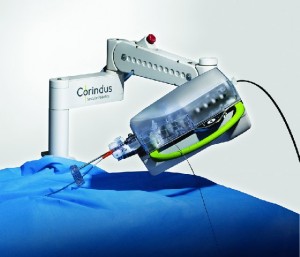
Corindus Technology Successfully used in Multiple Live Complex Robotic-Assisted Coronary Interventions at Transcatheter Cardiovascular Therapeutics 2018

WALTHAM, Mass.–(BUSINESS WIRE)–Corindus Vascular Robotics, Inc. (NYSE American: CVRS), a leading developer of precision vascular robotics, announced today that its CorPath GRX System was used for multiple complex robotic-assisted percutaneous coronary interventions (PCI) at the recent Transcatheter Cardiovascular Therapeutics (TCT) 2018 Conference. In the first case at University of Washington […]