Single dose of EDIT-401 achieved ~90% or greater mean reductions in LDL-C, Lp(a), and ApoB in non-human primates Data reinforce differentiated LDLR upregulation approach with rapid, dose-dependent effects on multiple atherogenic lipoproteins Company on track to submit CTN by mid-2026 for EDIT-401 and achieve early in vivo human proof-of-concept data by the end of 2026 CAMBRIDGE, Mass., May 26, 2026 (GLOBE NEWSWIRE) — Editas Medicine, Inc. (Nasdaq: EDIT), a pioneering gene editing company focused on developing transformative medicines for serious diseases, presented new preclinical data for EDIT-401, its lead in vivo development candidate, in an oral presentation at the 94th European Atherosclerosis Society (EAS) Congress in Athens, Greece on May 25, 2026. In the data presented, EDIT-401 achieved robust reductions in LDL-cholesterol (LDL-C), lipoprotein(a) (Lp(a)), and apolipoprotein B (ApoB) in non-human primates (NHPs), supporting its potential as a best-in-class medicine for hyperlipidemia. Key EDIT-401 preclinical data in NHPs presented include: A single dose of EDIT-401 achieved ≥90% mean reduction in LDL-C, with rapid and dose-dependent effect.EDIT-401 achieved rapid, dose dependent ~90% mean reduction in Lp(a), an independent risk factor for atherosclerotic cardiovascular disease (ASCVD).EDIT-401 achieved rapid, dose-dependent ~90% mean reduction in ApoB, a key measure of total plaque-causing cholesterol particles and predictive measure for ASCVD.Reductions in LDL-C, Lp(a), and ApoB were highly correlated, supporting a unified mechanism facilitated by LDLR upregulation. “The consistent reductions of ~≥90 percent with EDIT-401 in LDL-C, Lp(a), and ApoB observed in these preclinical studies highlight the transformative potential of our LDLR upregulation approach to address multiple drivers of cardiovascular risk, including residual risk beyond LDL-C alone,” said Linda C. Burkly, Ph.D., Executive Vice President and Chief Scientific Officer, Editas Medicine. “These robust and consistent reductions across multiple atherogenic lipoproteins with a single dose further support EDIT-401 as a potentially best-in-class in vivo gene editing medicine for people living with hyperlipidemia.” The abstract can be accessed on the EAS website, and the presentation is available on the Editas Medicine website. Editas continues to advance preclinical studies for EDIT-401, including an ongoing Good Laboratory Practice (GLP) toxicology study in NHPs. Interim results from this study demonstrated EDIT-401 was well-tolerated with no adverse clinical observations, no notable treatment-related liver enzyme elevations, and no liver histopathology findings in non-GLP toxicology at the therapeutically relevant dose of 1.5 mg/kg. The Company also received positive pre-IND feedback from the U.S. Food and Drug Administration (FDA) on its nonclinical package, CMC plans, and study design to support an Investigational New Drug Application (IND). The Company plans to submit a Clinical Trial Notification (CTN) in Australia to the Therapeutic Goods Administration (TGA) by mid-2026 to initiate a first-in-human clinical trial of EDIT-401 in patients with Heterozygous Familial Hypercholesterolemia (HeFH) later this year, and is on track to have early in vivo human proof-of-concept data for EDIT-401 by the end of 2026. About Editas Medicine As a pioneering gene editing company, Editas Medicine is focused on translating the power and potential of CRISPR genome editing systems into a robust pipeline of transformative in vivo medicines for people living with serious diseases around the world. Editas Medicine aims to discover, develop, manufacture, and commercialize durable, precision in vivo gene editing medicines for a broad class of diseases. Editas Medicine is the exclusive licensee of Broad Institute’s Cas12a patent estate and Broad Institute and Harvard University’s Cas9 patent estates for human medicines. For the latest information and scientific presentations, please visit www.editasmedicine.com. Forward-Looking StatementsThis press release contains forward-looking statements and information within the meaning of The Private Securities Litigation Reform Act of 1995. The words ‘‘anticipate,’’ ‘‘believe,’’ ‘‘continue,’’ ‘‘could,’’ ‘‘estimate,’’ ‘‘expect,’’ ‘‘intend,’’ ‘‘may,’’ ‘‘plan,’’ ‘‘potential,’’ ‘‘predict,’’ ‘‘project,’’ ‘‘target,’’ ‘‘should,’’ ‘‘would,’’ and similar expressions are intended to identify forward-looking statements, although not all forward-looking statements contain these identifying words. Forward-looking statements in this press release include statements regarding the initiation, timing, progress and results of the Company’s preclinical studies and its research and development programs, including initiating a first-in-human study for EDIT-401 in 2026 and achievement of early in vivo human proof-of-concept data for EDIT-401 by the end of 2026; the potential of, and expectations for, EDIT-401; and the timing or likelihood of regulatory filings and approvals, including submitting a CTN in Australia by mid-2026 for EDIT-401. The Company may not actually achieve the plans, intentions, or expectations disclosed in these forward-looking statements, and you should not place undue reliance on these forward-looking statements. Actual results or events could differ materially from the plans, intentions and expectations disclosed in these forward-looking statements as a result of various important factors, including: uncertainties inherent in the initiation and completion of preclinical studies and clinical trials; availability and timing of results from preclinical studies and clinical trials; uncertainties relating to planned regulatory submissions to initiate clinical trials, including that results of preclinical studies will warrant such submissions or that regulatory agencies may require additional preclinical studies, that regulatory submissions shall occur on the expected timelines and that regulatory authorities will provide clearance for trials to be initiated; that the results and outcome of preclinical studies may not be predictive of the results of clinical trials; and the availability of funding sufficient for the Company’s foreseeable and unforeseeable operating expenses and capital expenditure requirements. These and other risks are described in greater detail under the caption “Risk Factors” included in the Company’s most recent Annual Report on Form 10-K, which is on file with the Securities and Exchange Commission, as updated by the Company’s subsequent filings with the Securities and Exchange Commission, and in other filings that the Company may make with the Securities and Exchange Commission in the future. Any forward-looking statements contained in this press release represent the Company’s views only as of the date hereof and should not be relied upon as representing its views as of any subsequent date. Except as required by law, the Company explicitly disclaims any obligation to update any forward-looking statements. CONTACT: Investor and Media Contacts:
ir@editasmed.com
media@editasmed.com

Coronary/Structural Heart
Novo Nordisk global observational study reveals 2 in 5 people with cardiovascular disease have cardiovascular inflammation, increasing their risk of heart attack and stroke
The Novo Nordisk study POSEIDON – including 18,904 patients across 18 countries – showed that cardiovascular (CV) inflammation remains highly prevalent among people with cardiovascular disease (CVD), despite current standard of care treatment1,2In fact, two in five people with atherosclerotic cardiovascular disease (ASCVD) and chronic kidney disease (CKD), or heart failure, have CV inflammation1,2This matters because CV inflammation is an independent risk factor for CV events, such as heart attack and stroke, in people living with CVD, and it shows a significant gap in CV care globally3 Bagsværd, Denmark, 26 May 2026 – Novo Nordisk today presented new results from the landmark POSEIDON real-world evidence study at the 94th European Atherosclerosis Society (EAS) Congress in Athens, Greece. The study showed that CV inflammation remains highly prevalent among people with CVD despite current standard-of-care treatment. The study found that 2 in 5 people with ASCVD and CKD had CV inflammation, which is associated with an increased risk of major CV events2,4. A second POSEIDON analysis recently published in the European Journal of Heart Failure showed that two in five people with heart failure also have CV inflammation1. In POSEIDON, CV inflammation was measured and defined by high-sensitivity C-reactive protein (hsCRP) levels ≥2 mg/L1. hsCRP is the most commonly used and widely available blood test for measuring CV inflammation4-6. These findings underscore a significant gap in current CV care. Even when people receive guideline-recommended treatments to control, e.g., cholesterol, blood pressure and blood sugar, inflammation-driven CV risk persists3,7. The POSEIDON study represents one of the largest contemporary global assessments of CV inflammation prevalence in this high-risk population1,2. “The POSEIDON study provides critical evidence that cardiovascular inflammation represents a significant source of persistent risk in people living with atherosclerotic cardiovascular disease and chronic kidney disease or heart failure, despite receiving standard of care treatment today,” said Filip Knop, senior vice president and chief medical officer at Novo Nordisk. “Understanding the scope of cardiovascular inflammatory risk is essential, as we continue our innovation-driven research to develop a first-in-class therapy with the potential to address this critical unmet need.” POSEIDON enrolled 18,904 patients across 18 countries spanning Europe, North America, South America and Asia-Pacific between 2023 and 20251,2. Within the study, 13,475 patients had ASCVD, of whom 5,757 (42.7%) had CKD, while 11,809 patients had heart failure spanning across all types of heart failure (preserved, mildly reduced or reduced)1,2. Cardiovascular inflammation plays a central role in the development and progression of ASCVD8,9. Multiple studies have shown that people with CV inflammation face an increased risk of major adverse cardiovascular events, including heart attack, stroke and CV death3-5. Inflammation also contributes to CKD progression, and CKD itself may promote inflammation, creating a cycle that amplifies CV risk9. It also plays a key role in heart failure, and it is common across all types of heart failure, particularly in people with obesity, kidney disease and other metabolic conditions1,10. “POSEIDON makes clear that inflammation is not a peripheral concern – it is a shared driver of risk affecting millions of patients worldwide with cardiovascular disease who remain vulnerable despite our best current therapies,” said Professor Carolyn S.P. Lam, Senior Consultant, Department of Cardiology, National Heart Centre Singapore; and Professor, Cardiovascular & Metabolic Disorders Signature Research Programme, Duke-NUS Medical School. “What is striking is the consistency of inflammatory signals across such diverse patient populations. That consistency points to a practical way forward – identifying patients most likely to benefit from therapies that directly target inflammation. This reframes how we should think about residual cardiovascular risk, and it underscores the promise of emerging anti-inflammatory therapies to address a real unmet need.” The growing recognition of the role of inflammation in cardiovascular disease is reflected in recent guidelines from the European Society of Cardiology (ESC), the American Heart Association (AHA), and the American College of Cardiology (ACC), which include elevated hsCRP as a risk-modifying biomarker to guide more intensive preventive initiatives11,12. About POSEIDONPOSEIDON is a large, multinational, cross-sectional observational real-world evidence study designed to evaluate the prevalence and characteristics of high inflammatory risk (defined as hsCRP ≥2 mg/L) in patients with ASCVD, with and without CKD and/or heart failure. The study enrolled 18,904 patients across 18 countries between 2023 and 2025. Patients with recent infections, hospitalisations or unplanned medical visits were excluded to ensure that inflammatory markers reflected CV inflammation rather than acute conditions1,2. About cardiovascular inflammationCardiovascular inflammation is increasingly recognised as a key driver of ASCVD and a major contributor to persistent cardiovascular risk in people receiving standard preventive therapies. It also plays a key role in heart failure, and it is common across all types of heart failure (preserved, mildly reduced or reduced), particularly in people with obesity, kidney disease and other metabolic conditions. hsCRP is the most widely available blood test and validated biomarker of CV inflammation. Levels of CV inflammation ≥2 mg/L are associated with increased risk of major adverse CV events, including heart attack, stroke and CV death4-6. Despite standard of care management of traditional risk factors such as cholesterol, blood pressure and blood sugar, many people with ASCVD continue to face elevated CV risk driven in part by persistent inflammation2,3,7. The same is true for people with any type of heart failure, where CV inflammation is associated with more severe symptoms and an increase in the overall CV risk1. About Novo NordiskNovo Nordisk is a leading global healthcare company founded in 1923 and headquartered in Denmark. Our purpose is to drive change to defeat serious chronic diseases built upon our heritage in diabetes. We do so by pioneering scientific breakthroughs, expanding access to our medicines, and working to prevent and ultimately cure disease. Novo Nordisk employs about 67,900 people in 80 countries and markets its products in around 170 countries. For more information, visit novonordisk.com, Facebook, Instagram, X, LinkedIn and YouTube. Contacts for further information Novo Nordisk Media: Ambre James-Brown+45 3079 9289globalmedia@novonordisk.com Liz Skrbkova (US)+1 609 917 0632usmediarelations@novonordisk.comNovo Nordisk Investors: Michael Novod+45 3075 6050nvno@novonordisk.comJacob Martin Wiborg Rode+45 3075 5956jrde@novonordisk.comSina Meyer +45 3079 6656 azey@novonordisk.comMax Ung+45 3077 6414mxun@novonordisk.comChristoffer Sho Togo Tullin+45 3079 1471cftu@novonordisk.com Alex Bruce+45 3444 2613axeu@novonordisk.com Mads Berner Bruun+45 3075 2936mbbz@novonordisk.comFrederik Taylor Pitter (US)+1 609 613 0568fptr@novonordisk.com _______________________References1. Lam CSP, Contreras J, Darwesh R, et al. Prevalence and Predictors of High Inflammatory Risk in Heart Failure Subtypes: Findings From the Global POSEIDON Study. Eur J Heart Fail. 2026.2. Navar A, Bai L, Højen J, et al. Global Prevalence of Elevated High-Sensitivity C-Reactive Protein in Patients with Atherosclerotic Cardiovascular Disease, With and Without Chronic Kidney Disease: Findings From the POSEIDON Study. Late breaker oral presentation at the European Atherosclerosis Society 2026; May 24-27 2026; Athens, Greece.3. Ridker PM. Clinician’s Guide to Reducing Inflammation to Reduce Atherothrombotic Risk: JACC Review Topic of the Week. J Am Coll Cardiol. 2018;72(25):3320-3331.4. Ridker PM, Bhatt DL, Pradhan AD, et al. Inflammation and cholesterol as predictors of cardiovascular events among patients receiving statin therapy: a collaborative analysis of three randomised trials. Lancet. 2023;401(10384):1293-1301.5. Ridker PM, Lei L, Louie MJ, et al. Inflammation and Cholesterol as Predictors of Cardiovascular Events Among 13 970 Contemporary High-Risk Patients With Statin Intolerance. Circulation. 2024;149(1):28-35.6. FDA. Review Criteria for Assessment of C-Reactive Protein (CRP), High Sensitivity C-Reactive Protein (hsCRP) and Cardiac C-Reactive Assays. Available at: https://www.fda.gov/regulatory-information/search-fda-guidance-documents/review-criteria-assessment-c-reactive-protein-crp-high-sensitivity-c-reactive-protein-hscrp-and Last accessed: May 2026.7. Peikert A, Kaier K, Merz J, et al. Residual inflammatory risk in coronary heart disease: incidence of elevated high-sensitive CRP in a real-world cohort. Clin Res Cardiol. 2020;109(3):315-323.8. Hansson GK. Inflammation, atherosclerosis, and coronary artery disease. New England Journal of Medicine. 2005;3521685–1695.9. Lawler PR, Bhatt DL, Godoy LC, et al. Targeting cardiovascular inflammation: next steps in clinical translation. European Heart Journal. 2021;42113–131.10. Mesquita T, Lin YN, Ibrahim A. Chronic low-grade inflammation in heart failure with preserved ejection fraction. Aging Cell. 2021;20(9):e13453.11. Arnett DK, Blumenthal RS, Albert MA, et al. 2019 ACC/AHA Guideline on the Primary Prevention of Cardiovascular Disease: A Report of the American College of Cardiology/American Heart Association Task Force on Clinical Practice Guidelines. J Am Coll Cardiol. 2019;74(10):e177-e232.12. Visseren FLJ, Mach F, Smulders YM, et al. 2021 ESC Guidelines on cardiovascular disease prevention in clinical practice: Developed by the Task Force for cardiovascular disease prevention in clinical practice with representatives of the European Society of Cardiology and 12 medical societies With the special contribution of the European Association of Preventive Cardiology (EAPC). European Heart Journal. 2021;42(34):3227-3337.
Attachment
PR260526_POSEIDON-EAS
A single dose of Lilly’s PCSK9 base editor, VERVE-102, reduced PCSK9 by up to 88% and LDL-C by up to 62%, with durable effects supporting its potential as a one-time treatment for hypercholesterolemia
In the Phase 1b Heart-2 trial, a single intravenous infusion of VERVE-102 produced dose-dependent lowering of PCSK9 and LDL-C, with both reductions sustained over follow-up of up to 18 months in participants at high risk for cardiovascular disease VERVE-102 is designed to mimic the…
BioCardia Announces CardiAMP Chronic Myocardial Ischemia Trial Results Presented at EuroPCR Showed Durable Improvements in Exercise Tolerance with Reduced Angina Frequency
– Positive CardiAMP CMI Trial open-label cohort results demonstrated opportunity for locally delivered cell therapy to enhance therapeutic options for patients with severely symptomatic refractory angina and validate continued clinical development – Novel therapeutic approach targets a critically important unmet medical need for patients who have debilitated quality-of-life and have exhausted all available treatment options SUNNYVALE, Calif., May 21, 2026 (GLOBE NEWSWIRE) — BioCardia, Inc. (NASDAQ: BCDA), a global leader in cellular and cell-derived therapeutics for the treatment of cardiovascular and pulmonary diseases, today announced the oral presentation of the results of the CardiAMP® Cell Therapy in Chronic Myocardial Ischemia Trial (CardiAMP CMI) preliminary open label cohort at EuroPCR, a leading interventional cardiovascular medicine conference held in Paris. The presentation was made by Dr. Amish Raval, M.D., Professor of Medicine at University of Wisconsin School of Medicine and Public Health. Results presented by Dr. Raval, on behalf of the CardiAMP CMI Investigators, showed that the minimally invasive CardiAMP Cell Therapy procedure was well tolerated with no treatment emergent major adverse cardiac events and patients demonstrated positive clinical outcomes including increased exercise tolerance and reduced frequency of angina episodes with the autologous cell therapy up through 2 years follow-up. Prior to treatment, all patients were on guideline-directed medical therapy (GDMT) and had received all available percutaneous and/or surgical options as appropriate for their medical condition. Patients experienced increased exercise tolerance, improving by an average of 179 seconds, which persisted for the two-year study follow-up. Angina episodes were reduced by an average of 82% by six-months after treatment. Dr. Raval’s presentation is here: EuroPCR2026. “Chronic ischemic heart disease results in considerable limitations of daily life activities due to chest discomfort, shortness of breath, and related disabling symptoms despite optimal medical therapy,” said Carl Pepine, MD, MACC, Professor of Medicine, Division of Cardiovascular Medicine, University of Florida at Gainesville. “A cell-based approach, added to this medical therapy, has potential to better manage these symptoms and improve the quality of life.” “We are thankful for the physician scientists who contributed their great experience to this program as well as the patients who participated,” said Peter Altman, PhD, BioCardia President and CEO. “These results support this CardiAMP cell therapy approach which has potential to help patients suffering from refractory angina. To our knowledge, only cell therapy has had a positive impact on both exercise tolerance and angina episodes in these patients.” About Chronic Myocardial Ischemia with Refractory Angina Chronic myocardial ischemia occurs in the setting of coronary artery disease when there is reduced blood flow to the heart. This causes angina, a type of chest pain which is characterized as refractory angina when this pain cannot be controlled by a combination of optimal medical therapy, angioplasty or bypass surgery, and is estimated to impact 600,000 to 1.8 million patients in the United States. Up to 15% of patients who have ischemia or angina and undergo cardiac catheterization are suboptimal candidates for conventional revascularization. Although prognosis of refractory angina has improved in recent years, patients with refractory angina experience a significantly impaired quality of life with disproportionately high utilization of healthcare services. These observations reflect the great need for new therapies for these patients. About the CardiAMP Cell Therapy Program Designated by the FDA as a Breakthrough Therapy for Ischemic Heart Failure, CardiAMP Cell Therapy uses a patient’s own bone marrow cells delivered to the heart in a minimally invasive, catheter-based procedure to potentially stimulate the body’s natural healing response. CardiAMP Cell Therapy incorporates three proprietary elements not previously utilized in investigational cardiac cell therapy: a pre-procedural cell analysis for patient selection, a high target dosage of cells, and a proprietary delivery system that has been shown to be safer than other intramyocardial delivery systems and exponentially more successful in cell retention. The CardiAMP cell therapy trials for the indications of both chronic myocardial ischemia and ischemic heart failure are covered by the Center for Medicare and Medicaid for both treatment and control procedures. CAUTION – Limited by United States law to investigational use. About BioCardia® BioCardia, Inc., headquartered in Sunnyvale, California, is a global leader in cellular and cell-derived therapeutics for the treatment of cardiovascular and pulmonary disease. CardiAMP® autologous and CardiALLO™ allogeneic cell therapies are the Company’s biotherapeutic platforms with three cardiac clinical stage product candidates in development. These therapies are enabled by its Helix™ biotherapeutic delivery and Morph® vascular navigation product platforms, and soon the Heart3D™ fusion imaging platform. BioCardia selectively partners on biotherapeutic delivery with peers developing important biologic therapies. For more information visit https://www.biocardia.com. Forward Looking Statements: This press release contains forward-looking statements that are subject to many risks and uncertainties. Forward-looking statements may include, among other things, statements relating to the continued development, ability to offset clinical costs utilizing Medicare reimbursement and the ultimate success of our clinical cell therapy programs. These forward-looking statements are made as of the date of this press release. We may use terms such as “believes,” “estimates,” “anticipates,” “expects,” “plans,” “intends,” “may,” “could,” “might,” “will,” “should,” “approximately” or other words that convey the uncertainty of future events or outcomes to identify these forward-looking statements. Although we believe that we have a reasonable basis for each forward-looking statement contained herein, we caution you that forward-looking statements are not guarantees of future performance and that our actual results may differ materially from the forward-looking statements contained in this press release. Factors that could cause or contribute to such differences include, but are not limited to, the Company’s liquidity position and its ability to raise additional funds, as well as the Company’s ability to successfully advance its clinical trials. As a result of these factors, we cannot assure you that the forward-looking statements in this press release will prove to be accurate. Additional factors that could materially affect actual results can be found in BioCardia’s Form 10-K filed with the Securities and Exchange Commission on March 24, 2026, under the caption titled “Risk Factors,” and in our subsequently filed Quarterly Reports on Form 10-Q. BioCardia expressly disclaims any intent or obligation to update these forward-looking statements, except as required by law. Media Contact: Miranda Peto, Investor RelationsEmail: mpeto@BioCardia.com Phone: 650-226-0120 Investor Contact: David McClung, Chief Financial OfficerEmail: investors@BioCardia.comPhone: 650-226-0120
Reflow Medical Reports Six-Month Results from DEEPER CORONARY Study of Spur® Elute Stent
SAN CLEMENTE, Calif.–(BUSINESS WIRE)– #EuroPCR–Reflow Medical announces six-month DEEPER CORONARY study results for the Spur® Elute Sirolimus-Eluting Retrievable Stent System at EuroPCR 2026.
MemorialCare Heart & Vascular Institute Becomes First Hospital in Los Angeles County to Offer Cleerly AI-Powered Heart Disease Analysis, Quantifying Total Plaque Volume and Soft Plaque
Systemwide launch brings AI powered assessment to Coronary CTA’s to MemorialCare’s Long Beach Medical Center, Orange Coast Medical Center, and Saddleback Medical Center. FOUNTAIN VALLEY, Calif., May 20, 2026 /PRNewswire/ — MemorialCare today announced the systemwide implementation of…
DeepQure Announces Robust 3-Month Results from HERO-HTN Clinical Study at EuroPCR 2026
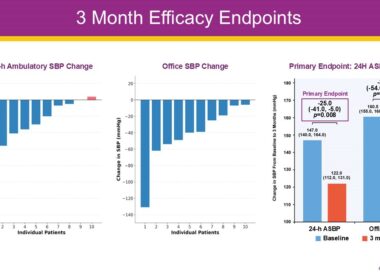
PARIS, May 20, 2026 /PRNewswire/ — DeepQure, a clinical-stage medical device company, today announced robust 3-month clinical data from its HERO-HTN-FIH study during a featured presentation at EuroPCR 2026. The interim results demonstrate that the HyperQure™ extravascular renal…
HAYA Therapeutics Announces First Cohort Dosed in Phase 1 Clinical Trial of HTX-001, an Investigational Precision Cellular Reprogramming Therapy for Cardiac Fibrosis
LAUSANNE, Switzerland & SAN DIEGO–(BUSINESS WIRE)– #Cardiology–HAYA Therapeutics Announces First Cohort Dosed in Phase 1 Trial of HTX-001, an Investigational Cellular Reprogramming Therapy for Cardiac Fibrosis
Madrigal to Present New Data from the Company’s MASH Program at EASL 2026 Demonstrating the Effects of Rezdiffra on Markers of Cardiovascular and Portal Hypertension Risk
Secondary analysis from the Phase 3 MAESTRO-NASH and MAESTRO-NAFLD-1 trials examines improvements in lipid profiles for Lp(a), LDL-C and ApoB with Rezdiffra® (resmetirom)Analysis of two-year data in patients with compensated MASH cirrhosis (F4c) examines improvement in ANTICIPATE-NASH risk scores, a marker for clinically significant portal hypertensionAdditional abstracts focus on early real-world evidence with Rezdiffra and the ability of noninvasive biomarkers to predict fibrosis improvement in patients treated with Rezdiffra CONSHOHOCKEN, Pa., May 20, 2026 (GLOBE NEWSWIRE) — Madrigal Pharmaceuticals, Inc. (NASDAQ: MDGL), a biopharmaceutical company focused on delivering novel therapeutics for metabolic dysfunction-associated steatohepatitis (MASH), today announced that multiple abstracts from its Rezdiffra development and real-world evidence programs will be presented at the European Association for the Study of the Liver (EASL) Congress 2026, taking place May 27–30 in Barcelona, Spain. The presentations highlight the breadth of evidence supporting Rezdiffra, including a secondary analysis on cardiometabolic risk in patients with MASH, non-invasive risk stratification in patients with compensated cirrhosis and early real-world evidence from routine clinical practice. “The body of data presented at EASL 2026 reinforces Madrigal’s leadership in MASH and clearly supports the continued integration of Rezdiffra into clinical practice as a foundational therapy,” said David Soergel, M.D., Chief Medical Officer of Madrigal. “These analyses extend beyond liver-focused assessments to explore Rezdiffra’s effects on markers of cardiovascular risk and provide important new insights about noninvasive measures of treatment response in patients with moderate to advanced fibrosis (F2-F3) and well-compensated MASH cirrhosis (F4c).” Madrigal Poster Presentations at the EASL Congress 2026: TitlePresenterReducing CV risk in patients with MASH independent of baseline based on Lp(a) and LDL lowering by resmetiromMeena BansalBaseline ANTICIPATE score and response predicts liver outcome events in a 180 patient MASH cirrhosis cohort treated with resmetiromNaim AlkhouriIn F0-F1 and F2-F3 MASH, ≥5% weight loss significantly lowers VCTE and ELF independent of biopsy fibrosis improvement; resmetirom and not placebo reduction of ELF and VCTE are associated with biopsy improvement of fibrosis, independent of weight lossRohit LoombaEarly real-world effectiveness of resmetirom in adults with metabolic dysfunction associated steatohepatitis and moderate-to-advanced fibrosisNaim AlkhouriTwelve-month changes in liver function enzymes and lipids in patients receiving resmetiromChristina ParrinelloNon-invasive test-driven modeling of patient eligibility for resmetirom therapy in MASLD: Data from the German SLD-RegistryMaurice MichelEarly and Week 52 biomarker (MRI-PDFF, ALT, MRE and PRO-C3) responses to resmetirom predict improvements in MASH and liver fibrosisRohit LoombaMachine learning models of non-invasive tests to predict MASH and fibrosis stage based on MAESTRO-NAFLD-1 and MAESTRO-NASH liver biopsiesRohit Loomba Rezdiffra (resmetirom) is a once-daily, oral, liver-directed thyroid hormone receptor (THR)-β agonist designed to address key underlying causes of MASH. It was the first medication approved for the treatment of MASH in the U.S. and Europe. In the pivotal Phase 3 MAESTRO-NASH biopsy trial, Rezdiffra achieved both fibrosis improvement and MASH resolution primary endpoints. Rezdiffra also reduced liver stiffness, liver fat, liver enzymes and atherogenic lipids in the MAESTRO-NASH trial and improved health-related quality of life. At one year, 91% of patients treated with Rezdiffra 100mg achieved improvement or stabilization of liver stiffness as measured by vibrational-controlled transient elastography (VCTE), a test that is frequently used to monitor treatment response in clinical practice. Rezdiffra is indicated in conjunction with diet and exercise for the treatment of adults with noncirrhotic MASH with moderate to advanced liver fibrosis (consistent with stages F2 to F3 fibrosis). Continued approval for this indication may be contingent upon verification and description of clinical benefit in ongoing confirmatory trials. Rezdiffra is not approved in any geography for the treatment of patients with cirrhosis. About MASHMetabolic dysfunction-associated steatohepatitis (MASH) is a serious liver disease that can progress to cirrhosis, liver failure, liver cancer, the need for liver transplantation and premature mortality. MASH is the leading cause of liver transplantation in women and the second leading cause of all liver transplantation in the U.S., and the fastest-growing indication for liver transplantation in Europe. Once patients progress to MASH with moderate to advanced liver fibrosis (consistent with stages F2 to F3 fibrosis), the risk of adverse liver outcomes increases dramatically: these patients have a 10 to 17 times higher risk of liver-related mortality as compared to patients without fibrosis. Patients with MASH who progress to cirrhosis face a 42 times higher risk of liver-related mortality, underscoring the need to treat MASH before complications of cirrhosis develop. MASH is also an independent driver of cardiovascular disease, the leading cause of mortality for patients. As disease awareness improves and disease prevalence increases, the number of diagnosed patients F2 to F4c MASH is growing. About Rezdiffra What is Rezdiffra? Rezdiffra is a prescribed medicine used along with diet and exercise to treat adults with metabolic dysfunction-associated steatohepatitis (MASH) with moderate to advanced liver scarring (fibrosis), but not with cirrhosis of the liver.This indication is approved based on improvement of MASH and liver scarring (fibrosis). There are ongoing studies to confirm the clinical benefit of Rezdiffra. Before you take Rezdiffra, tell your healthcare provider about all of your medical conditions, including if you: have any liver problems other than MASH.have gallbladder problems or have been told you have gallbladder problems, including gallstones.are pregnant or plan to become pregnant. It is not known if Rezdiffra will harm your unborn baby. A pregnancy safety study for women who take Rezdiffra during pregnancy collects information about the health of you and your baby. You or your healthcare provider can report your pregnancy by visiting https://pregnancyregistry.madrigalpharma.com/ or calling 1-800-905-0324. are breastfeeding or plan to breastfeed. It is not known if Rezdiffra passes into your breast milk. Talk to your healthcare provider about the best way to feed your baby if you take Rezdiffra. Tell your healthcare provider about all the medicines you take, including prescription and over-the-counter medicines, vitamins and herbal supplements. Rezdiffra and other medicines may affect each other, causing side effects. Rezdiffra may affect the way other medicines work, and other medicines may affect how Rezdiffra works.Especially tell your healthcare provider if you take medicines that contain gemfibrozil to help lower your triglycerides, because Rezdiffra is not recommended in patients taking these medicines.Tell your healthcare provider if you are taking medicines such as clopidogrel to thin your blood or statin medicines to help lower your cholesterol.Know the medicines you take. Keep a list of them to show your healthcare provider and pharmacist when you get a new medicine. What are the possible side effects of Rezdiffra? Rezdiffra may cause serious side effects, including: liver injury (hepatotoxicity). Stop taking Rezdiffra and call your healthcare provider right away if you develop the following signs or symptoms of hepatotoxicity: tiredness, nausea, vomiting, fever, rash, your skin or the white part of your eyes turns yellow (jaundice) or stomach pain/tenderness.gallbladder problems. Gallbladder problems such as gallstones, or inflammation of the gallbladder, or inflammation of the pancreas from gallstones can occur with MASH and may occur if you take Rezdiffra. Call your healthcare provider right away if you develop any signs or symptoms of these conditions including nausea, vomiting, fever, or pain in your stomach area (abdomen) that is severe and will not go away. The pain may be felt going from your abdomen to your back and the pain may happen with or without vomiting.The most common side effects of Rezdiffra include: diarrhea, nausea, itching, stomach pain, vomiting, dizziness and constipation. These are not all the possible side effects of Rezdiffra. For more information, ask your healthcare provider or pharmacist. Call your doctor for medical advice about side effects. You may report side effects to FDA at 1-800-FDA-1088 or www.fda.gov/medwatch. You may also report side effects to Madrigal at 1-800-905-0324. Please see the full Prescribing Information, including Patient Information, for Rezdiffra. About Madrigal Madrigal Pharmaceuticals, Inc. (Nasdaq: MDGL) is a biopharmaceutical company focused on delivering novel therapeutics for metabolic dysfunction-associated steatohepatitis (MASH), a liver disease with high unmet medical need. Madrigal’s medication, Rezdiffra (resmetirom), is a once-daily, oral, liver-directed THR-β agonist designed to target key underlying causes of MASH. Rezdiffra was the first medication approved by both the FDA and European Commission for the treatment of MASH with moderate to advanced fibrosis (F2 to F3). An ongoing Phase 3 outcomes trial is evaluating Rezdiffra for the treatment of compensated MASH cirrhosis (F4c). For more information, visit www.madrigalpharma.com and follow us on LinkedIn. Forward-Looking Statements This press release includes “forward-looking statements” made pursuant to the safe harbor provisions of the Private Securities Litigation Reform Act of 1995, as amended, including statements related to Rezdiffra’s effects on markers of cardiovascular risk and the potential benefit of Rezdiffra in patients with compensated MASH cirrhosis. Forward-looking statements are subject to a number of risks and uncertainties including, but not limited to: the assumptions underlying the forward-looking statements; our ability to successfully commercialize Rezdiffra in the U.S. and Europe; risks related to obtaining and maintaining regulatory approvals, including, but not limited to, potential regulatory delays or rejections; our history of operating losses and the possibility that we may never achieve or maintain profitability; risks associated with meeting the objectives of our clinical trials, including, but not limited to our ability to achieve enrollment objectives concerning patient numbers (including an adequate safety database), outcomes objectives and/or timing objectives for our trials; any delays or failures in enrollment, and the occurrence of adverse safety events; risks related to the effects of Rezdiffra’s (resmetirom’s) mechanism of action or of any other product candidate; market demand for and acceptance of Rezdiffra; our ability to service indebtedness and otherwise comply with debt covenants; outcomes or trends from competitors; future topline data timing or results; our ability to prevent and/or mitigate cyber-attacks; our ability to protect our intellectual property rights; the uncertainties inherent in clinical testing; uncertainties concerning analyses or assessments outside of a controlled clinical trial; and changes in laws and regulations applicable to our business and our ability to comply with such laws and regulations. Undue reliance should not be placed on forward-looking statements, which speak only as of the date they are made. Madrigal undertakes no obligation to update any forward-looking statements to reflect new information, events, or circumstances after the date they are made, or to reflect the occurrence of unanticipated events. Please refer to Madrigal’s submissions filed with the U.S. Securities and Exchange Commission (SEC) for more detailed information regarding these risks and uncertainties and other factors that may cause actual results to differ materially from those expressed or implied. Madrigal specifically discusses these risks and uncertainties in greater detail in the sections appearing in Part 1A of its Annual Report on Form 10-K for the year ended December 31, 2025, and as updated from time to time by Madrigal’s other filings with the SEC.Madrigal may use its website to comply with its disclosure obligations under Regulation FD. Therefore, investors should monitor Madrigal’s website in addition to following its press releases, filings with the SEC, public conference calls, and webcasts. Madrigal Pharmaceuticals, Rezdiffra® and associated logos are trademarks of Madrigal Pharmaceuticals, Inc. Investor ContactTina Ventura, IR@madrigalpharma.com Media ContactChristopher Frates, media@madrigalpharma.com
EuroPCR 2026: Elixir Medical’s DynamX® Bioadaptor Demonstrates Significantly Lower Event Rates Than Drug-Eluting Stent
EuroPCR 2026: Elixir Medical’s DynamX® Bioadaptor Demonstrates Significantly Lower Event Rates Than Drug-Eluting Stent in Long-Term Follow-Up, Including Reduction in Cardiovascular DeathParis, France, May 19, 2026 (GLOBE NEWSWIRE) — Significantly lower TLF rates (2.8% versus 7.8%, p=0.020) with DynamX® compared to Resolute Onyx DES with no new events in bioadaptor arm between 3 and 4 years 88% reduction in Cardiovascular Death (0.5% versus 3.7%, p=0.020) with DynamX® compared to DES PARIS – May 19, 2026 – Elixir Medical, a developer of transformative technologies to treat cardiovascular and peripheral disease, today announced four-year results from the large 445-patient BIOADAPTOR Randomized Controlled Trial (RCT), comparing the DynamX® Coronary Bioadaptor System to standard of care Resolute Onyx™ Drug-Eluting Stent (DES) at 34 centers in Japan, Europe, and New Zealand. The data were presented at a late-breaking clinical trial session during the EuroPCR 2026 conference in Paris. “Interventional cardiologists typically use a drug-eluting stent (DES) during percutaneous coronary intervention (PCI) to open the heart blockage and keep the artery open. These interlocked mesh-like tubes, however, permanently cage the artery, limiting its function and contributing to an annual 2-3% increase in adverse clinical events over time,” – said Professor Stefan Verheye, M.D., Ph.D., interventional cardiologist at ZNA Cardiovascular Center in Antwerp, Belgium and leading DynamX® investigator. “The bioadaptor is a new type of unlocking, adaptive implant designed to keep the artery open while restoring normal vessel function, its compliance and pulsatility.” Late-breaking four-year results presented at EuroPCR highlight durable clinical outcomes with the DynamX® bioadaptor, with no new target lesion failure (TLF) or cardiovascular death (CVD) events observed between years three and four, maintaining a very low plateauing rate of adverse events compared to the continued annual increase seen with DES. DynamX® demonstrated a 66% lower TLF rate (2.8% versus 7.8%; p=0.020) compared to DES, reflecting significant clinical benefit and long-term durability of PCI treatment with bioadaptor. The TLF reduction was driven by improvement across all components of the device-related combined endpoint, including: 88% lower cardiovascular death (0.5% versus 3.7%, p=0.020), a statistically significant reductionNumerically lower target vessel myocardial infarction (0.9% versus 1.8%)Numerically lower clinically driven target lesion revascularization (1.4% versus 2.8%) These findings highlight a key differentiation of the bioadaptor implant from drug-eluting stents: while DES outcomes continue to accrue adverse events over time, DynamX® demonstrates stabilization of event rates following restoration of vessel function at 6 months post-procedure. Substantial clinical improvement was also observed in the left anterior descending (LAD) artery, with TLF rates dramatically lower with DynamX® compared to DES (2.7% versus 10.6%; p=0.021), potentially reflecting an amplified impact of restoring vessel function in this hemodynamically critical coronary vessel responsible for about 50% of heart blood supply. “The DynamX® bioadaptor represents a significant advancement in PCI by providing functional restoration of the artery,” – remarked Shigeru Saito, M.D., trial principal investigator and director of the Division of Cardiology and Catheterization Laboratory at Shonan Kamakura General Hospital in Kamakura, Japan. “Furthermore, the significant finding in reducing cardiovascular mortality marks a major achievement in how we treat cardiovascular disease and improve patient outcomes.” PCI procedures have been successful at improving the conductance of blood through diseased, blocked coronary arteries. Stents establish luminal diameter and improve the acute mechanical result of PCI compared to balloon angioplasty. However, DES do not restore the physiology of the vessel wall because they create rigid scaffolding. This constrains vessel elasticity and prevents return to a more normal, pulsatile function. The DynamX® bioadaptor first achieves the initial objective of opening the artery in establishing luminal diameter to improve blood flow. Unlike DES, it transitions to a different structure following an initial period of healing where it unlocks and provides the essential radial dynamic support to the diseased artery, allowing the treated segment to recover pulsatility and compliance. “The four-year BIOADAPTOR-RCT data presented today, and the results from the 2,400 patient INIFINITY-SWEDEHEART RCT have shown consistently across multiple randomized clinical trials significantly lower, plateauing clinical events with DynamX® bioadaptor compared to DES treatment, demonstrating the clear benefit of restoring a key function of arteries, hemodynamic modulation, with this breakthrough technology.” – said Motasim Sirhan, CEO of Elixir Medical. About BIOADAPTOR RCT TrialThe BIOADAPTOR RCT is an international, single-blind, randomized controlled (1:1) trial comparing a sirolimus-eluting bioadaptor with a contemporary zotarolimus-eluting stent in 445 patients in 34 centers in Japan, Europe, and New Zealand. Both arms had large randomized multi-modality imaging subgroups of 50 patients each to document standard effectiveness benchmarks of establishing and maintaining artery flow lumen measured by percent diameter stenosis (%DS) and late lumen loss (LLL), and the new effectiveness benchmarks of restoring artery hemodynamic modulation, including pulsatility, vessel compliance, adaptive flow volume, and plaque stabilization and regression. Clinical follow-up will continue through five years. BIOADAPTOR RCT trial is part of Elixir Medical’s robust DynamX® bioadaptor clinical evidence program consisting of nine company-sponsored and investigator-initiated studies involving over 9,000 patients. About DynamX® Sirolimus Eluting Coronary Bioadaptor SystemThe DynamX® bioadaptor is the first coronary implant technology designed to restore coronary artery hemodynamic modulation as demonstrated by restored vessel pulsatility, compliance, and adaptive increase in blood flow volume, and providing plaque stabilization and regression. With its unique mechanism of action (MOA), it addresses the shortcomings of drug-eluting stents and bioresorbable scaffolds (BRS) with remarkably low clinical event rates that showed a plateau from six months through four-year clinical follow-up. The DynamX® Sirolimus Eluting Coronary Bioadaptor System is CE-marked. The DynamX® Sirolimus Eluting Coronary Bioadaptor System is an investigational device, limited by Federal (or United States) law to investigational use. About Elixir MedicalElixir Medical Corporation, a privately held company based in Milpitas, California, develops disruptive platforms to treat coronary and peripheral artery disease. Our transformative technologies have multiple applications across the cardiovascular space capable of delivering improved clinical outcomes for millions of patients. Elixir Medical was named to Fast Company’s prestigious list of the World’s Most Innovative Companies of 2025. Visit us at www.elixirmedical.com and on LinkedIn. ### Media Contact:Richard LaermerRLM PRelixir@rlmpr.com(212) 741-5106 X 216