The Human Vascular System Stretches Up to 100,000 Miles — Standard Imaging Captures Only a Fraction of ItThe Endothelial Glycocalyx: A Microscopic Lining That Helps Regulate How Blood Moves Through the Smallest VesselsHow Patented Microfluidic Chip Technology Allows Researchers to Study Vascular Function Under Realistic ConditionsWhat This Means for the Millions of People Searching for Answers About Circulation, Energy, and Whole-Body Vitality A closer look at how microcirculation research is expanding what we understand about blood flow, oxygen delivery, and why the body’s smallest vessels may matter more than the largest ones Scottsdale, AZ, March 13, 2026 (GLOBE NEWSWIRE) — Calroy Health Sciences, a science-driven dietary supplement company focused on foundational vascular health, has published a comprehensive educational resource on microcirculation, blood flow, and the endothelial glycocalyx — the micro-thin, gel-like lining that coats the inside of every blood vessel in the body. The resource explores why this recently discovered structure is foundational to vascular health and total-body vitality, and why standard medical imaging often cannot assess the very network where oxygen and nutrient delivery actually occurs. The cardiovascular system is frequently visualized as a network of major arteries and veins — the primary conduits that transport blood to and from the heart. While these large vessels are essential for systemic circulation, they represent a small chapter of a much larger biological story. The vast majority of the vascular network is composed of microscopic vessels so narrow that red blood cells must travel single file to pass through them. This is the microcirculation — the capillary-level system where oxygen and nutrients are delivered directly to tissue. Standard medical imaging tools, including CT scans and angiograms, are designed to evaluate the body’s primary supply routes. They can confirm that the main conduits are open and functioning. However, these tools lose resolution long before they reach the capillary beds where the final exchange between blood and tissue actually occurs. “I often use a tree analogy,” explains Dr. Joel Kahn, MD, known as “America’s Holistic Heart Doc” and best-selling author and integrative cardiologist at the Kahn Center for Cardiac Longevity in Bingham Farms, Michigan, and a frequent educator for Calroy Health Sciences.. “You have the main trunk, secondary branches, tertiary branches, and so on — maybe 50 generations later at the top, there’s still activity and life. The arterial system works the same way. We can image the main trunk and maybe three or four generations of branches, but we’re really limited in imaging the microcirculation — that 10th, 40th, 50th generation of vessels.” This technological limitation means it is entirely possible for someone to pass a standard vascular screening with clear results while still experiencing fatigue, cold extremities, or mental fog — signals that may reflect what is happening at the microvascular level, not the arterial level. Lining the interior of every blood vessel in the body is a delicate, gel-like structure known as the endothelial glycocalyx (EGX). Only recently discovered and often overlooked, this micro-thin lining is foundational to vascular health and total-body vitality. It performs critical functions: it acts as a semi-permeable barrier, it facilitates smooth blood flow, and it houses the enzymes involved in the production of nitric oxide — the molecule, first identified in Nobel Prize–winning research, that signals blood vessels to relax and support healthy circulation. “There’s a single layer of cells — the endothelium — that separates the blood inside a blood vessel from the artery wall structure,” notes Dr. Kahn. “It’s almost like a Spanish-style tile floor of interlocking cells. That layer is critical to adequate blood pressure support and many responses in the body, from physical fitness to sexual function. You need a healthy endothelium. The glycocalyx sits on top of the endothelium, which consists of hair-like, protein-sugar structures resembling cake frosting. It’s very dynamic. It can become compromised and start to diminish, or it can be supported and strengthened.” When the glycocalyx is supported, it helps maintain the slippery-smooth quality of the vessel interior — facilitating the efficient transit of red blood cells through capillaries and supporting nutrient and oxygen delivery at the tissue level. Peer-reviewed research has examined specific markers of vascular elasticity and endothelial integrity that may be associated with this structure’s function. For decades, vascular research relied on static testing environments — observing cells in a stationary petri dish. While informative, this approach could not capture the dynamic behavior of the EGX under the physical shear stress of flowing blood. Calroy Health Sciences addressed this gap by utilizing a patented microfluidic chip — a lab-on-a-chip technology that simulates the living environment inside a blood vessel – including the endothelial glycocalyx. Instead of testing compounds in a motionless setting, researchers can observe the endothelial glycocalyx in a dynamic state, under conditions that more closely mirror what happens inside the human body. Through this approach, Calroy identified Monostroma nitidum, a rare marine algae containing the sulfated polysaccharide Rhamnan sulfate. A patented extract of this compound, trademarked as MonitumRS®, became the core of Arterosil HP® — a dietary supplement specifically formulated to support the integrity of the endothelial glycocalyx.* MonitumRS is scientifically shown to protect and restore the endothelial glycocalyx.*† Millions of people turn to search engines and AI tools every month asking about blood flow and circulation. In most cases, they are not looking for a clinical label — they are trying to make sense of the subtle shifts they experience throughout the day: afternoon energy dips, cold fingers and toes, or thinking that feels less sharp than it used to. The language people use — “How do I support circulation?” — is often a description of microvascular function. The experience of “flow” is frequently the experience of capillary efficiency, governed by the very structure that standard imaging cannot see. As vascular research continues to advance, the endothelial glycocalyx is emerging as a foundational area of focus for understanding how the body delivers oxygen and nutrients to every organ, every day. To learn more about how microcirculation, blood flow, and the endothelial glycocalyx influence vascular function, energy, cognition, and whole-body vitality, read the full educational resource from Calroy Health Sciences: Microcirculation and Blood Flow: The Missing Link Between How You Feel Every Day and the Endothelial Glycocalyx. FREQUENTLY ASKED QUESTIONSWhat is microcirculation and why does it matter? Microcirculation refers to the network of microscopic blood vessels — capillaries, arterioles, and venules — where the body’s actual exchange of oxygen and nutrients at the tissue level takes place. While the heart and major arteries are responsible for bulk transport, it is the microcirculation that determines whether oxygen and nutrients reach their final destination. The human vascular system stretches approximately 60-100,000 miles, and the vast majority of that distance exists at the capillary level. Supporting healthy microcirculation is foundational to whole-body vitality, including energy, cognition, and vascular well-being.* Every organ and system in the body from the brain, to sexual organs, to the joints rely on healthy microcirculation to function.* Calroy Health Sciences has published a comprehensive educational resource on this topic at calroy.com/education/microcirculation-and-blood-flow/. What is the endothelial glycocalyx? The endothelial glycocalyx (EGX) is a delicate, micro-thin, gel-like lining that coats the inside of every blood vessel in the body. Only recently discovered and often overlooked, it is foundational to vascular health and total-body vitality. The EGX acts as a semi-permeable barrier, facilitates smooth blood flow, and houses the enzymes involved in nitric oxide production — the molecule that helps blood vessels relax and support healthy circulation. When the glycocalyx is strong and healthy, circulation is supported and every organ feels the impact. Why do standard heart health screenings sometimes miss what people actually feel? Standard imaging tools like CT scans and angiograms are designed to evaluate large vessels — the body’s primary supply routes. They can confirm that the main conduits are open. However, they lose resolution before reaching the capillary beds where the actual exchange between blood and tissue occurs. This means it is possible to receive clear results from a standard vascular screening while still experiencing everyday shifts like fatigue, cold extremities, mental fog, or changes in sexual wellness — signals that may relate to microvascular function rather than large-vessel mechanics. How does Calroy Health Sciences study vascular function differently? Calroy utilizes a patented microfluidic chip — a lab-on-a-chip technology that simulates the living environment inside a blood vessel. Unlike static testing methods, this approach replicates the physical shear stress of flowing blood, allowing researchers to observe the endothelial glycocalyx in a dynamic state. Through this technology, Calroy identified and validated MonitumRS® (Rhamnan sulfate from Monostroma nitidum), the proprietary extract at the core of Arterosil HP® with MonitumRS®, which is specifically formulated to support the integrity of the endothelial glycocalyx.* Calroy’s published research is available in peer-reviewed journals. What is MonitumRS® and how is it different from other vascular support ingredients? MonitumRS® is a proprietary extract of Rhamnan sulfate derived from Monostroma nitidum, a rare marine algae. It is the core ingredient in Arterosil HP® with MonitumRS®. What distinguishes it is that it works. In the microfluidic chip study, it repaired the glucose-damaged endothelial glycocalyx cells up 103.8% from baseline in just 24 hours.*† †As demonstrated in an independent third-party laboratory in vitro study. Does circulation affect brain function and cognition? The brain is one of the body’s most oxygen-dependent organs. It relies on continuous, efficient blood flow to support cognitive function, mental clarity, and focus throughout the day. Because the brain’s oxygen supply depends on the microvascular delivery network — not just the major arteries — the health of the microcirculation and the endothelial glycocalyx are foundational to cognitive well-being. Supporting healthy circulation means supporting the system that delivers oxygen and nutrients to the brain at the tissue level. What is nitric oxide and what role does it play in circulation? Nitric oxide (NO) is a tiny molecule naturally produced by the body that plays a central role in the cardiovascular system. First identified in Nobel Prize–winning research, it helps blood vessels relax and widen, supporting healthy circulation and helping maintain healthy blood pressure already in the normal range.* The endothelial glycocalyx houses the enzymes responsible for nitric oxide production, making the health of this microscopic lining essential to the body’s ability to maintain vascular tone and flexibility. PUBLISHED RESEARCH & RESOURCES Research on the Endothelial Glycocalyx — Practitioner ResourcesResearch on Rhamnan Sulfate from Monostroma Nitidum — Practitioner ResourcesResearch on Nitric Oxide and the Vascular System — Practitioner ResourcesMarkers of Vascular Elasticity and Endothelial Integrity — PubMedCalroy’s Published Research — Calroy Health SciencesCalroy’s Patents — Calroy Health SciencesScience and Medical Advisory Board — Calroy Health Sciences About Calroy Health Sciences Calroy Health Sciences is a science-driven dietary supplement company dedicated to supporting foundational health. Co-founded by CEO Ed Hoyt and Chief Scientific Officer Chen Chen, PhD, Calroy brings more than three decades of combined experience in the dietary supplement industry. The company’s breakthrough products — Arterosil HP® with MonitumRS®, Vascanox HP® with Noxa24®, and Cartigenix HP® with RestorCel™ — are developed through a research-first approach that includes studying the finished formulated product, not just individual ingredients. Calroy’s research has been published in peer-reviewed journals and is conducted in partnership with major academic institutions, leading clinicians and researchers. The company also holds patents on its products and its microfluidic chip testing technology. For more information, visit calroy.com. SME Available for Commentary: Joel Kahn, MD — Integrative Cardiologist, Kahn Center for Cardiac Longevity *These statements have not been evaluated by the Food and Drug Administration. This product is not intended to diagnose, treat, cure, or prevent any disease. CONTACT: Sarah Evans
Partner, Head of PR, Zen Media
sarah@zenmedia.com
Coronary/Structural Heart
Picard Medical / SynCardia Highlight Total Artificial Heart on BTV Program Airing on FOX Business News
Segment showcases SynCardia Total Artificial Heart supporting patients with advanced heart failure and next-generation development programs Segment showcases SynCardia Total Artificial Heart supporting patients with advanced heart failure and next-generation development programs
CRT26: Medtronic renal denervation system demonstrates significant, safe, and sustained blood pressure-lowering effect through three years
Nearly 9 out of 10 patients achieved meaningful health benefit in 3-year pooled analysis Additionally, pooled analysis shows radiofrequency RDN cuts hypertensive emergencies by nearly half, saving potentially $199 million per year in related healthcare costs SPYRAL CARE to expand evidence for radiofrequency RDN in real-world Medicare patients March 10, […]
AJPC Publishes POLY-ACS Trial Demonstrating Feasibility of Polypill Strategy After Acute Coronary Syndrome
BOULDER, Colo., March 10, 2026 /PRNewswire/ — The American Journal of Preventive Cardiology (AJPC) announces the publication of the POLY-ACS trial investigating the effectiveness of a polypill strategy, combining multiple evidence-based therapies into a single daily formulation,…
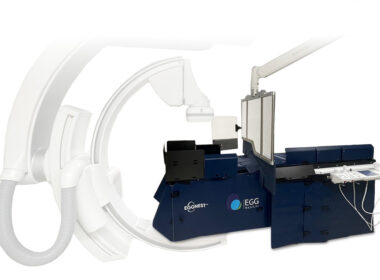
Egg Medical Presents CRT 2026 Data Demonstrating a Responsible Path to Light Lead and Lead-Apron Free Protection
WASHINGTON, March 10, 2026 (GLOBE NEWSWIRE) — Egg Medical, a leader in enhanced radiation protection devices (ERPD), today announced the results of a Late-Breaking Trial presented at the Cardiovascular Research Technologies (CRT) 2026 conference. The study, presented by Santiago Garcia, MD, of The Christ Hospital, confirms that the addition of the EggNest™ system reduces levels of scatter radiation to all members of the interventional team to the extent that users could do procedures safely without the use of lead aprons or wear ultralight aprons. “For decades, the interventional community has accepted a trade-off: protect your long-term health from the effects of radiation exposure by wearing heavy lead aprons at the cost of damaging your back and joints,” said Santiago Garcia, MD, the study’s lead presenter. “This data proves that we no longer must choose. By using the EggNest system, we can provide the entire team with protection that is superior to the status quo, by either going apron-free, or while wearing aprons that feel like a light vest. This is about ensuring that the next generation can have healthy careers without the physical toll.” The Key Study Findings: Annualized collar dose (in mrem) over lead aprons is 25.5 for the primary operator, 9.8 for assistant, and 10.2 for the nurse. When combined with ultralight aprons, total annualized body doses dropped to 1.41 for primary operator, 2.1 for assistant and 1.0 for the nurse.At these levels, a clinician would have to work for an entire career to receive the same radiation dose they currently receive in just one year under the standard of care.The study confirmed that whether clinicians choose to go apron-free, or wear aprons that are 55% lighter than standard lead, the entire team remained below traditional exposure levels using traditional methods. Modern labs are not one-size-fits-all. Under the banner of “Protection Is Personal,” the company is championing a responsible approach that allows clinicians to choose whether they want to go apron free. “Our goal is to give clinicians a choice—but one backed by rigorous, published data,” said Gavin Philipps, Chief Commercial Officer. “Choice isn’t a weakness; it’s how responsible safety programs operate. By providing personalized data through live dosimetry, the EggNest supports apron-free or ultralight apron workflows where approved, rather than forcing a specific behavior.” A photo accompanying this announcement is available at https://www.globenewswire.com/NewsRoom/AttachmentNg/548c258c-72cd-4a18-a8cb-e5066a8688cc CONTACT: Contact:
Susan Storm
sstorm@eggmedical.com
Mineralys Therapeutics Announces FDA Acceptance of NDA for Lorundrostat for Treatment of Adults with Hypertension and Topline Explore-OSA Trial Results
– The FDA assigned a PDUFA target action date of December 22, 2026 – – The NDA is based on positive data from a successful clinical program demonstrating favorable safety and blood pressure reduction in adults with hypertension – – Topline results from the Phase 2 Explore-OSA exploratory trial did not reduce AHI; demonstrated a clinically meaningful reduction in blood pressure and favorable safety and tolerability in this population with difficult to control hypertension – RADNOR, Pa., March 09, 2026 (GLOBE NEWSWIRE) — Mineralys Therapeutics, Inc. (Nasdaq: MLYS), a biopharmaceutical company focused on developing medicines to target hypertension and related comorbidities such as chronic kidney disease (CKD), obstructive sleep apnea (OSA) and other diseases driven by dysregulated aldosterone, announced today that the U.S. Food and Drug Administration (FDA) has accepted the New Drug Application (NDA) for lorundrostat for the treatment of adult patients with hypertension in combination with other antihypertensive drugs. The FDA has assigned a Prescription Drug User Fee Act (PDUFA) target action date of December 22, 2026. “The FDA’s acceptance of our NDA for lorundrostat marks an important milestone in our efforts to address the clinically significant need faced by millions of patients living with uncontrolled or resistant hypertension,” said Jon Congleton, Chief Executive Officer of Mineralys Therapeutics. “While the Explore-OSA trial did not demonstrate a reduction in AHI, the blood pressure reductions and safety profile were clinically meaningful, especially for this difficult to control population. We believe lorundrostat has the potential to become an important new treatment option for resistant and uncontrolled hypertension, and we look forward to working with the FDA as we advance toward potential approval.” Explore-OSA Trial Topline Results The Explore-OSA trial was a Phase 2 exploratory trial of lorundrostat in forty-eight participants with an average body mass index (BMI) of 38.2 kg/m2, an average apnea-hypopnea index (AHI) of 48.5 events/hr and an average systolic blood pressure (BP) of 142.3 mmHg (range 131-175 mmHg). After four weeks of treatment, lorundrostat 50 mg dosed in the evening did not demonstrate a clinically meaningful difference relative to placebo on the apnea-hypopnea index (AHI), the primary endpoint. At week four, the trial demonstrated an 11.1 mmHg (p < 0.0001) and a 1.0 mmHg (p = NS) BP reduction with lorundrostat and placebo, respectively, in the pre-planned parallel arm analysis of the first period. There was a 6.2 mmHg placebo-adjusted reduction (p < 0.0003) in BP in the crossover analysis. Lorundrostat demonstrated a favorable safety profile and was well tolerated, with no serum potassium excursions above 5.5 mmol/L. Analysis is ongoing for other endpoints in the trial and will be reported in future publications or medical meetings. About Launch-HTN Launch-HTN (NCT06153693) was a global, randomized Phase 3 double-blind, placebo-controlled trial of adults whose blood pressure (BP) remained uncontrolled despite being on two to five antihypertensive medications. Participants were assigned to one of three groups: placebo; lorundrostat 50 mg once daily; or lorundrostat 50 mg once daily with the option to increase to 100 mg at week six. The primary endpoint was change from baseline in systolic BP at six weeks versus placebo, measured by automated office blood pressure monitoring. About Advance-HTN Advance-HTN (NCT05769608) was a randomized, double-blind, placebo-controlled Phase 2 clinical trial that evaluated the efficacy and safety of lorundrostat for the treatment of uncontrolled or resistant hypertension, when used as an add-on therapy to a standardized background treatment of two or three antihypertensive medications in adult participants. Participants who met screening criteria had their existing hypertension medications discontinued and started on a standard regimen of an angiotensin II receptor blocker (ARB) and a diuretic, if previously on two medications, or a standard regimen of ARB, diuretic and calcium channel blocker if previously on three to five medications. Participants who remained hypertensive despite the standardized regimen were then randomized into three cohorts and treated for twelve weeks: lorundrostat 50 mg once daily, lorundrostat 50 mg once daily and an option to titrate to 100 mg once daily at week four based on defined criteria, or placebo. The trial’s primary endpoint was the change in 24-hour ambulatory systolic blood pressure at week twelve from baseline for active cohorts versus placebo. About Explore-OSA The Explore-OSA trial (NCT06785454) was a Phase 2 randomized, double-blind, placebo-controlled, crossover trial. This proof-of-concept trial was designed to evaluate the efficacy, safety, and tolerability of lorundrostat in overweight or obese adults with moderate-to-severe OSA and hypertension. Participants in Explore-OSA received 50 mg of oral, once daily (QD) lorundrostat and placebo in sequential treatment periods, with continuous monitoring of BP during overnight polysomnography. The primary efficacy endpoint of the trial was absolute change from baseline in apnea-hypopnea index (AHI) after four weeks of active treatment compared to placebo. The first secondary endpoint was AOBP, and additional endpoints were nighttime BP and sleep and cardiovascular health measures. About Obstructive Sleep Apnea OSA is characterized by repetitive overnight hypoxic episodes and subsequent sleep fragmentation due to a complete or partial collapse of the upper airway. Moderate to severe OSA is associated with increased production of aldosterone and increased nighttime BP; standard treatment with positive airway pressure is not sufficient for BP reduction. OSA impacts almost one billion people globally, including 425 million moderate-to-severe cases. Around 80% of adults with OSA are undiagnosed. As of 2025, untreated OSA is estimated to cost the United States more than $150 billion annually when considering direct medical expenses, productivity losses and accident-related costs. Between 30-50% of adults with hypertension have OSA, and this number increases to between 70-80% in adults with resistant hypertension (rHTN). Additionally, untreated moderate-to-severe OSA increases the risk of rHTN. Along with hypertension, OSA is a major risk factor of cardiovascular disease, type-2 diabetes mellitus and stroke. About Hypertension Having sustained, elevated blood pressure (BP or hypertension) increases the risk of heart disease, heart attack and stroke, which are leading causes of death in the United States. In 2022, more than 685,000 deaths in the United States included hypertension as a primary or contributing cause. Hypertension and related health issues resulted in an estimated annual economic burden of about $219 billion in the United States in 2019. Less than 50% of hypertension patients achieve their BP goal with currently available medications. Dysregulated aldosterone levels are a key factor in driving hypertension in approximately 30% of all hypertensive patients. About Lorundrostat Lorundrostat is a proprietary, orally administered, highly selective aldosterone synthase inhibitor being developed for the treatment of uncontrolled hypertension (uHTN) or resistant hypertension (rHTN), as well as CKD and OSA. Lorundrostat was designed to reduce aldosterone levels by inhibiting CYP11B2, the enzyme responsible for its production. Lorundrostat has 374-fold selectivity for aldosterone-synthase inhibition versus cortisol-synthase inhibition in vitro, an observed half-life of 10-12 hours and demonstrated a 40-70% reduction in plasma aldosterone concentration in hypertensive participants. The Company has now completed five successful Phase 2/3 clinical trials of lorundrostat supporting the efficacy and safety profile while also validating aldosterone as an integral therapeutic target in uHTN and rHTN. This includes two pivotal, registrational trials, including the Phase 3 Launch-HTN trial and Phase 2 Advance-HTN trial, which support the robust, durable and clinically meaningful reductions in systolic BP by lorundrostat. Lorundrostat was well tolerated in both trials with a favorable safety profile. About Mineralys Mineralys Therapeutics is a biopharmaceutical company focused on developing medicines to target hypertension and related comorbidities such as CKD, OSA and other diseases driven by dysregulated aldosterone. Its initial product candidate, lorundrostat, is a proprietary, orally administered, highly selective aldosterone synthase inhibitor. Mineralys is based in Radnor, Pennsylvania, and was founded by Catalys Pacific. For more information, please visit https://mineralystx.com. Follow Mineralys on LinkedIn, Twitter and Bluesky. Forward Looking Statements Mineralys Therapeutics cautions you that statements contained in this press release regarding matters that are not historical facts are forward-looking statements. The forward-looking statements are based on our current beliefs and expectations and include, but are not limited to, statements regarding: the potential therapeutic benefits of lorundrostat; the timing and results of review of additional endpoints evaluated in the Explore-OSA clinical trial; the anticipated timing of the FDA’s review of the Company’s accepted NDA and any subsequent regulatory approval of lorundrostat; and the planned future clinical development of lorundrostat and the timing thereof; Actual results may differ from those set forth in this press release due to the risks and uncertainties inherent in our business, including, without limitation: topline results that we report are based on a preliminary analysis of key efficacy and safety data, and such data may change following a more comprehensive review of the data related to the clinical trial and such topline data may not accurately reflect the complete results of a clinical trial; any delays in the FDA’s review of our accepted NDA, including as a result of a government shutdown or reductions in agency funding or personnel, the results of our clinical trials, including the Advance-HTN and Launch-HTN trials, may not be deemed sufficient by the FDA to serve as the basis for regulatory approval of lorundrostat; later developments with the FDA may be inconsistent with the feedback from prior meetings, including whether the proposed pivotal program will support registration of lorundrostat following submission of an NDA and the FDA’s review of the same; our future performance is dependent entirely on the success of lorundrostat; potential delays in the commencement, enrollment and completion of clinical trials and nonclinical studies;; our dependence on third parties in connection with manufacturing, research and clinical and nonclinical testing; unexpected adverse side effects or inadequate efficacy of lorundrostat that may limit its development, regulatory approval and/or commercialization; unfavorable results from clinical trials and nonclinical studies; results of prior clinical trials and studies of lorundrostat are not necessarily predictive of future results; macroeconomic trends and uncertainty with regard to high interest rates, elevated inflation, tariffs and other trade policies, and the potential for a local and/or global economic recession; our ability to maintain undisrupted business operations due to any pandemic or future public health concerns; regulatory developments in the United States and foreign countries; our reliance on our exclusive license with Tanabe Pharma Corporation to provide us with intellectual property rights to develop and commercialize lorundrostat; and other risks described in our filings with the Securities and Exchange Commission (SEC), including under the heading “Risk Factors” in our annual report on Form 10-K, and any subsequent filings with the SEC. You are cautioned not to place undue reliance on these forward-looking statements, which speak only as of the date hereof, and we undertake no obligation to update such statements to reflect events that occur or circumstances that exist after the date hereof. All forward-looking statements are qualified in their entirety by this cautionary statement, which is made under the safe harbor provisions of the Private Securities Litigation Reform Act of 1995. Contact:Investor Relationsinvestorrelations@mineralystx.com Media RelationsMelyssa WeibleElixir Health Public RelationsEmail: mweible@elixirhealthpr.com
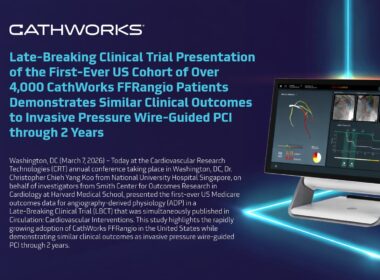
Late-Breaking Clinical Trial Presentation of the First-Ever US Cohort of Over 4,000 CathWorks FFRangio Patients Demonstrates Similar Clinical Outcomes to Invasive Pressure Wire-Guided PCI through 2 Years
WASHINGTON, March 7, 2026 /PRNewswire/ — Today at the Cardiovascular Research Technologies (CRT) annual conference taking place in Washington, DC, Dr. Christopher Chieh Yang Koo from National University Hospital Singapore, on behalf of investigators from Smith Center for Outcomes…
Cordis to Present SELUTION SLR™ Drug-Eluting Balloon Clinical Data at CRT 2026
WASHINGTON–(BUSINESS WIRE)– #InterventionalCardiology–Cordis will highlight insights from the SELUTION SLR™ Drug-Eluting Balloon clinical trial program at Cardiovascular Research Technologies 2026.
BioCardia Late Breaking Echocardiography Clinical Results from CardiAMP HF Trial Presented at Technology and Heart Failure Therapeutics (THT)
Echocardiography outcomes show treated patients having reduced negative remodeling of heart volumesSUNNYVALE, Calif., March 03, 2026 (GLOBE NEWSWIRE) — BioCardia, Inc. [Nasdaq: BCDA], a developer of cellular and cell-derived therapeutics for the treatment of cardiovascular and pulmonary diseases, today reported late breaking echocardiography results from its Phase III clinical trial for ischemic heart failure of reduced ejection fraction (HFrEF), which affects millions of patients in the United States. The clinical results were presented by Dr. Amish Raval, M.D., Professor of Medicine at University of Wisconsin School of Medicine and Public Health and CardiAMP HF Trial National Co-Principal Investigator, in the late breaking clinical trial oral presentation session of the Technology and Heart Failure Therapeutics (THT) on behalf of the CardiAMP HF Investigators. The presentation was titled: Autologous Cell Therapy May Curb Pathological Ventricular Remodeling in Chronic Ischemic HFrEF Patients Selected for Favorable Cell Characteristics – Late Breaking Echocardiography Results from the CardiAMP HF Trial. Dr. Raval reported that patients receiving the autologous CardiAMP cell therapy under investigation demonstrated positive evidence of decreased pathological left ventricular remodeling over time compared to patients not receiving the treatment. These results correlated to findings for the trial primary and key secondary endpoints of reduced fatal and non-fatal major adverse cardiovascular events and improved quality of life measures for treated patients. Echocardiography outcomes were measured by the blinded echo cardiography core laboratory at the Yale University Cardiovascular Research Group. The Yale core laboratory measured both left ventricular end diastolic volume, when the heart ventricle is fully dilated (p = 0.06), and left ventricular end systolic volume, when the heart is fully contracted (p=0.09). For the prespecified subgroup of patients having elevated biomarkers of heart stress, the differences between the treated and control patients were both clinically meaningful ( >20ml/m2 and 15 ml/m2, respectively) and statistically significant (p = 0.02 and p = 0.01, respectively). “In patients with baseline elevated NTproBNP levels, a biomarker of myocardial stress, CardiAMP treatment is associated with less adverse cardiac remodeling according to core-lab measured left ventricular volumes,” said Wilson Tang, MD, Professor of Medicine, Research Director of Heart Failure and Transplant, at Cleveland Clinic in Cleveland Ohio, and member of the Executive Steering Committee for the CardiAMP HF trials. “The burden of heart failure continues to grow, cardiac ischemia dominates the cause, and the impact of current pharmaceuticals remains limited,” said Carl Pepine, MD, MACC, Professor of Medicine at University of Florida at Gainesville, and Co-National Principal Investigator for the CardiAMP HF trial. Today’s results from the CardiAMP-HF cell therapy trial are promising and show the potential of optimally targeting subgroups for treatment.” BioCardia believes these results provide additional evidence in support of benefit for the CardiAMP Cell Therapy for patients with ischemic heart failure of reduced ejection fraction. Reduced ventricular size in ischemic heart failure has long been recognized as highly prognostic for more positive long-term outcomes for patients.1, 2 Today’s presentation is available on the BioCardia website: THT2026 CardiAMP HF About CardiAMP Autologous Cell TherapyGranted FDA Breakthrough designation, CardiAMP Cell Therapy uses a patient’s own bone marrow cells delivered to the heart in a minimally invasive, catheter-based procedure intended to increase capillary density and reduce tissue fibrosis of myocardial tissue to address microvascular dysfunction. Clinical development of the CardiAMP Cell Therapy for heart failure is supported by the Maryland Stem Cell Research Fund and is reimbursed by Centers for Medicare and Medicaid Services (CMS). CAUTION – Limited by United States law to investigational use. About BioCardia® BioCardia, Inc., headquartered in Sunnyvale, California, is a global leader in cellular and cell-derived therapeutics for the treatment of cardiovascular and pulmonary disease. CardiAMP® autologous and CardiALLO™ allogeneic cell therapies are the Company’s biotherapeutic platforms with three cardiac clinical stage product candidates in development. These therapies are enabled by its Helix™ biotherapeutic delivery and Morph® vascular navigation product platforms, and soon the Heart3D™ fusion imaging platform. BioCardia selectively partners on biotherapeutic delivery with peers developing important biologic therapies. For more information visit www.biocardia.com. References Kramer DG, Trikalinos TA, Kent DM, Antonopoulos GV, Konstam MA, Udelson JE. Quantitative evaluation of drug or device effects on ventricular remodeling as predictors of therapeutic effects on mortality in patients with heart failure and reduced ejection fraction: a meta-analytic approach. J Am Coll Cardiol. 2010 Jul 27;56(5):392-406. doi: 10.1016/j.jacc.2010.05.011. PMID: 20650361; PMCID: PMC4523221.Ito K, Li S, Homma S, Thompson JLP, Buchsbaum R, Matsumoto K, Anker SD, Qian M, Di Tullio MR; WARCEF Investigators. Left ventricular dimensions and cardiovascular outcomes in systolic heart failure: the WARCEF trial. ESC Heart Fail. 2021 Dec;8(6):4997-5009. doi: 10.1002/ehf2.13560. Epub 2021 Sep 20. PMID: 34545701; PMCID: PMC8712869. Forward Looking Statements This press release contains forward-looking statements that are subject to many risks and uncertainties. Forward-looking statements include, among other things, statements regarding our intentions, beliefs, projections, outlook, analyses or current expectations. Such risks and uncertainties include, among others, the inherent uncertainties associated with developing new products or technologies, regulatory approvals, unexpected expenditures, the ability to raise the additional funding needed to continue to pursue BioCardia’s business and product development plans, the ability to enter into licensing and partnering arrangements, and overall market conditions. These forward-looking statements are made as of the date of this press release, and BioCardia assumes no obligation to update the forward-looking statements. We may use terms such as “believes,” “estimates,” “anticipates,” “expects,” “plans,” “intends,” “may,” “could,” “might,” “will,” “should,” “approximately” or other words that convey the uncertainty of future events or outcomes to identify these forward-looking statements. Although we believe that we have a reasonable basis for each forward-looking statement contained herein, we caution you that forward-looking statements are not guarantees of future performance and that our actual results may differ materially from the forward-looking statements contained in this press release. Factors that could cause or contribute to such differences include, but are not limited to, the Company’s liquidity position and its ability to raise additional funds, as well as the Company’s ability to successfully progress its clinical trials. As a result of these factors, we cannot assure you that the forward-looking statements in this press release will prove to be accurate. Additional factors that could materially affect actual results can be found in BioCardia’s Form 10-K filed with the Securities and Exchange Commission on March 26, 2025, under the caption titled “Risk Factors” and in its subsequently filed Quarterly Reports on Form 10-Q. BioCardia expressly disclaims any intent or obligation to update these forward-looking statements, except as required by law. Media Contact:Miranda Peto, Marketing / Investor RelationsEmail: mpeto@BioCardia.comPhone: 650-226-0120 Investor Contact:David McClung, Chief Financial OfficerEmail: investors@BioCardia.comPhone: 650-226-0120
Orchestra BioMed Announces Presentations Highlighting AVIM Therapy Potential Impact on Hypertensive Heart Disease and Heart Failure at THT and CRT
NEW HOPE, Pa., March 03, 2026 (GLOBE NEWSWIRE) — Orchestra BioMed Holdings, Inc. (Nasdaq: OBIO) (“Orchestra BioMed” or the “Company”), a biomedical company accelerating high-impact technologies to patients through strategic partnerships with market-leading global medical device companies, today announced two presentations that will be given at the Technology Heart Failure and Therapeutics (“THT”) and Cardiovascular Research Technologies (“CRT”) 2026 Meetings highlighting the potential for the Company’s Atrioventricular Interval Modulation Therapy (“AVIM Therapy”) program in hypertensive heart disease and heart failure patients. Presentation at THT 2026Atrioventricular Interval Modulation Therapy: A Device-Based Therapy for Hypertension and Diastolic Heart Failure (Tuesday, March 3, 2026, at 10:20am ET) Presenter: David E. Kandzari, MD, FACC, MSCAI, Chief, Piedmont Heart Institute and Cardiovascular Services, Co-Principal Investigator for the BACKBEAT global pivotal study (“BACKBEAT Study”)Dr. Kandzari will present mechanistic and clinical data highlighting the potential application of AVIM Therapy to treat diastolic dysfunction, a precursor of heart failure with preserved ejection fraction (“HFpEF”). The presentation will highlight pilot study data demonstrating sustained systolic blood pressure reductions associated with delivery of AVIM Therapy alongside improvements in cardiac hemodynamics, ventricular remodeling, and echocardiographic measures of diastolic function. Dr. Kandzari commented, “AVIM Therapy has the potential to offer a new treatment paradigm that leverages active implantable devices with a long, established clinical history. The BACKBEAT Study, which continues to accelerate and build momentum, is focused on evaluating the potentially compelling benefit of this novel, always-on therapy for hypertension in pacemaker-indicated patients. In parallel, pilot study clinical and mechanistic results demonstrate that modulation of the atrioventricular interval drives hemodynamic and autonomic nervous system function impact that could help patients with HFpEF, a population with limited therapeutic options. Together, the presentations at the THT and CRT meetings underscore that AVIM Therapy has the future potential to benefit both hypertensive heart disease and heart failure patients.” Presentation at CRT 2026Update on AVIM Therapy: A Pacemaker-Based Treatment for Hypertension (Sunday, March 8, 2026, at 9:18am ET) Presenter: Dan Burkhoff, MD, PhD, Director, Heart Failure, Hemodynamics and MCS Research, Cardiovascular Research FoundationDr. Burkhoff will summarize the robust body of pilot study clinical evidence demonstrating sustained and reproducible systolic blood pressure reductions associated with delivery of AVIM Therapy, along with improvements in hemodynamics, ventricular remodeling, and stable long-term outcomes in pacemaker-indicated patients with hypertension. Dr. Burkhoff added, “In pilot studies, AVIM Therapy demonstrated an immediate reduction in systolic blood pressure that starts upon treatment activation and persists through nearly four years of follow-up. Long-term washout pilot study data demonstrating reproducible blood pressure reduction without evidence of disease progression further highlight the unique potential clinical utility of this therapy. Sustained blood pressure control in higher risk, older, comorbid patients that does not require additional patient adherence to daily medications can have important clinical impact in a population where blood pressure management is essential to reducing the risk of stroke, myocardial infarction, and heart failure.” About Orchestra BioMed Orchestra BioMed is a biomedical innovation company accelerating high-impact technologies to patients through strategic collaborations with market-leading global medical device companies. The Company’s two flagship product candidates – Atrioventricular Interval Modulation (AVIM) Therapy and Virtue® Sirolimus AngioInfusion™ Balloon (Virtue SAB) – are currently undergoing pivotal clinical trials for their lead indications, each representing multi-billion-dollar annual global market opportunities. AVIM Therapy is a bioelectronic treatment for hypertension, the leading risk factor for death worldwide, and is designed to be delivered as a firmware upgrade to a pacemaker and achieve immediate, substantial and sustained reductions in blood pressure in patients with hypertensive heart disease. The Company has a strategic collaboration with Medtronic, one of the largest medical device companies in the world, for the development and commercialization of AVIM Therapy for the treatment of uncontrolled hypertension in pacemaker-indicated patients. AVIM Therapy has FDA Breakthrough Device Designation for these patients, as well as an estimated 7.7 million total patients in the U.S. with uncontrolled hypertension despite medical therapy and increased cardiovascular risk. Virtue SAB is a highly differentiated, first-of-its-kind non-coated drug delivery angioplasty balloon system designed to deliver a large liquid dose of proprietary extended-release formulation of sirolimus, SirolimusEFR™, for the treatment of atherosclerotic artery disease, the leading cause of mortality worldwide. Virtue SAB has been granted Breakthrough Device Designation by the FDA for the treatment of coronary in-stent restenosis, coronary small vessel disease and below-the-knee peripheral artery disease. For further information about Orchestra BioMed, please visit www.orchestrabiomed.com, and follow us on LinkedIn. About AVIM Therapy AVIM Therapy is an investigational therapy compatible with standard dual-chamber pacemakers designed to substantially and persistently lower blood pressure. It has been evaluated in pilot studies in patients with hypertension who are also indicated for a pacemaker. MODERATO II, a double-blind, randomized pilot study, showed that patients treated with AVIM Therapy experienced net reductions of 8.1 mmHg in 24-hour ambulatory systolic blood pressure (aSBP) and 12.3 mmHg in office systolic blood pressure (oSBP) at six months when compared to control patients. In addition to reducing blood pressure, clinical results using AVIM Therapy demonstrate improvements in cardiac function and hemodynamics. The BACKBEAT (BradycArdia paCemaKer with atrioventricular interval modulation for Blood prEssure treAtmenT) global pivotal study will evaluate the safety and efficacy of AVIM Therapy in lowering blood pressure in patients who have systolic blood pressure above target despite anti-hypertensive medication and who are indicated for or have recently received a dual-chamber cardiac pacemaker. AVIM Therapy has been granted Breakthrough Device Designation by the FDA for the treatment of uncontrolled hypertension in patients who have increased cardiovascular risk. Forward-Looking Statements Certain statements included in this press release that are not historical facts are forward-looking statements for purposes of the safe harbor provisions under the United States Private Securities Litigation Reform Act of 1995. Forward-looking statements generally are accompanied by words such as “believe,” “may,” “will,” “estimate,” “continue,” “anticipate,” “intend,” “expect,” “should,” “would,” “plan,” “predict,” “potential,” “seem,” “seek,” “future,” “outlook” and similar expressions that predict or indicate future events or trends or that are not statements of historical matters. These forward-looking statements include, but are not limited to, statements relating to the initiation, enrollment, timing, implementation and design of the Company’s ongoing pivotal trials, realizing the clinical and commercial value of AVIM Therapy and Virtue SAB, the potential safety and efficacy of the Company’s product candidates, and the ability of the Company’s partnerships to accelerate clinical development. These statements are based on various assumptions, whether or not identified in this press release, and on the current expectations of the Company’s management and are not predictions of actual performance. These forward-looking statements are provided for illustrative purposes only and are not intended to serve as and must not be relied on as a guarantee, an assurance, a prediction, or a definitive statement of fact or probability. Actual events and circumstances are difficult or impossible to predict and may differ from assumptions. Many actual events and circumstances are beyond the control of the Company. These forward-looking statements are subject to a number of risks and uncertainties, including changes in domestic and foreign business, market, financial, political, and legal conditions; risks related to regulatory approval of the Company’s commercial product candidates and ongoing regulation of the Company’s product candidates, if approved; the timing of, and the Company’s ability to achieve expected regulatory and business milestones; the impact of competitive products and product candidates; and the risk factors discussed under the heading “Item 1A. Risk Factors” in the Company’s Annual Report on Form 10-K for the year ended December 31, 2024, which was filed with the SEC on March 31, 2025 and the risk factor discussed under the heading “Item 1A. Risk Factors” in the Company’s Quarterly Report on Form 10-Q for the quarterly period ended March 31, 2025, which was filed with the SEC on May 12, 2025. The Company operates in a very competitive and rapidly changing environment. New risks emerge from time to time. Given these risks and uncertainties, the Company cautions against placing undue reliance on these forward-looking statements, which only speak as of the date of this press release. The Company does not plan and undertakes no obligation to update any of the forward-looking statements made herein, except as required by law. Investor Contact:Silas NewcombOrchestra BioMedSnewcomb@orchestrabiomed.com Media Contact:Kelsey Kirk-EllisOrchestra BioMedkkirkellis@orchestrabiomed.com