CHICAGO–(BUSINESS WIRE)–GE HealthCare today announced three additions to its Vivid™ cardiovascular ultrasound portfolio – Vivid™ Explorer, Vivid™ Advanced and Vivid™ Focus.


The Latest Cardiac and Vascular News
CHICAGO–(BUSINESS WIRE)–GE HealthCare today announced three additions to its Vivid™ cardiovascular ultrasound portfolio – Vivid™ Explorer, Vivid™ Advanced and Vivid™ Focus.
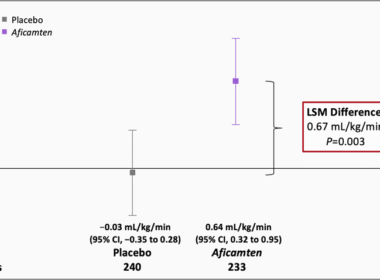
ACACIA-HCM is the First Phase 3 Clinical Trial to Successfully Demonstrate Statistically Significant Improvements Across Both Patient-Reported and Physician-Assessed Endpoints in Non-Obstructive HCM Supplemental New Drug Application to be Submitted to FDA in Fourth Quarter Company to Host Investor Event and Webcast Today at 2:00 PM Central European Summer Time (8:00 AM Eastern Time) SOUTH SAN FRANCISCO, Calif., Aug. 28, 2026 (GLOBE NEWSWIRE) — Cytokinetics, Incorporated (Nasdaq: CYTK) today announced the primary results from ACACIA-HCM (Assessment Comparing Aficamten to Placebo on Cardiac Endpoints In Adults with Non-Obstructive HCM), the pivotal Phase 3 clinical trial of aficamten in patients with symptomatic non-obstructive hypertrophic cardiomyopathy (nHCM) were presented in a Hot Line Session at the European Society of Cardiology (ESC) Congress 2026 in Munich, Germany, and simultaneously published in The New England Journal of Medicine.1 ACACIA-HCM met both dual primary endpoints, demonstrating statistically significant improvements from baseline to Week 36 compared to placebo in both Kansas City Cardiomyopathy Questionnaire Clinical Summary Score (KCCQ-CSS) and maximal exercise performance (pVO2). Results for the dual primary endpoint analysis consistently favored aficamten across prespecified subgroups studied. Based on the positive results from ACACIA-HCM, Cytokinetics plans to submit a supplemental New Drug Application to the U.S. Food and Drug Administration (FDA) for aficamten for the treatment of adult patients with symptomatic nHCM in the fourth quarter of 2026. “ACACIA-HCM is the first-ever positive clinical trial in non-obstructive HCM,” said Stephen Heitner, M.D., Cytokinetics’ Chief Medical Officer. “As shown in presentation and publication, the results from ACACIA-HCM are both statistically robust, consistent across prespecified subgroups and other secondary endpoints, and clinically impactful for these patients with non-obstructive HCM. As such, these data may potentially translate into a new treatment option for patients with HCM with no available medical treatments that directly address their underlying disease. If approved, we look forward to seeing aficamten become the first cardiac myosin inhibitor to treat the full spectrum of symptomatic HCM.” “We are grateful to the patient community and the clinical trial team who contributed to the successful completion of ACACIA-HCM, a fitting tribute to the patients and families who have struggled with this disease for many years and across generations. We are also pleased that most of the eligible patients from ACACIA-HCM are continuing treatment with aficamten in FOREST-HCM,” said Ahmad Masri, M.D., M.S., Director, Hypertrophic Cardiomyopathy Center and Cardiac Amyloidosis Program, Oregon Health & Science University and Principal Investigator of ACACIA-HCM. “We look forward to applying this study’s groundbreaking scientific knowledge into clinical practice upon potential approval, addressing this area of HCM where patients do not have adequate treatment options.” ACACIA-HCM: Efficacy The baseline characteristics of patients enrolled in ACACIA-HCM were well-matched between treatment groups and consistent with a symptomatic nHCM phenotype with substantial disease burden despite normal left ventricular ejection fraction (LVEF). There were two pre-specified primary endpoints, KCCQ-CSS and pVO₂, evaluated in parallel. For each endpoint, a p-value of 0.025 or less was considered statistically significant. Compared to placebo, treatment with aficamten demonstrated statistically significant improvements in both dual primary endpoints at 36 weeks (Table 1). Table 1: Dual Primary Endpoint Results PrimaryEndpointsChange from Baseline to Week 36LSM [95% CI]Aficamtenvs PlaceboLSM (95% CI)P-value AficamtenPlacebo KCCQ-CSS11.4 [9.6 – 13.2]8.4 [6.6 – 10.2]3.0 (0.5 – 5.5)0.021pVO2 (ml/kg/min)0.64 [0.32 – 0.95]-0.03 [-0.35 – 0.28]0.67 (0.22 – 1.1)0.003LSM = least square mean; CI = confidence interval Improvements in KCCQ-CSS relative to placebo were noted beyond titration and throughout the treatment period in participants treated with aficamten, such that patients remaining on treatment at 72 weeks demonstrated a least square mean (LSM) change from baseline in KCCQ-CSS of 7.0 points. Of note, following a washout of aficamten for four weeks, the KCCQ-CSS declined from the end of treatment for participants on aficamten to match that in the placebo group (Figure 1). Figure 1: Assessment of KCCQ-CSS The figure is based on the observed data, except that the inset box of Week 36 LSM difference and p-value are from the primary analysis imputed data. At Week 36, pVO2 increased for participants on aficamten while it remained unchanged for participants on placebo (Figure 2). Figure 2: Assessment of pVO2 The treatment effect of aficamten on both dual primary endpoints was consistent across all prespecified subgroups, including baseline LVEF, atrial fibrillation status, genotype, age, sex, whether patients were receiving background beta-blocker therapy and whether patients had intracavitary obstruction at baseline (Figure 3). Figure 3: Pre-Specified Subgroups for KCCQ-CSS and pVO2 Statistically significant improvements compared to placebo were observed in key ranked secondary endpoints, including New York Heart Association (NYHA) Functional Class, the composite z-score of two cardiopulmonary exercise testing (CPET) parameters (VE/VCO2 and pVO2), and NT-proBNP, a biomarker of cardiac wall stress. Statistical significance was not met on the endpoints of change from baseline in left atrial volume index or the time to first cardiovascular event for aficamten compared to placebo (Table 2). Table 2: Secondary Endpoints SecondaryEndpointsChange from Baseline to Week 36LSM (95% CI)Aficamten vsPlaceboTreatmentDifference (95% CI)P-value AficamtenPlacebo Improvement of ≥1 NYHA class at week 36 – n (%)108 (41.9)72 (27.8)14.1 (6.0 to 22.2)

MUNICH–(BUSINESS WIRE)–Daiichi Sankyo (TSE:4568) today announced new results from the MILOS study that demonstrate the real-world impact of bempedoic acid administered either alone or as a fixed-dose combination with ezetimibe, in the management of dyslipidaemia. Presented at the European Society of Cardiology Congress 2026 in Munich, the findings show that the clinically relevant reductions in low-density lipoprotein cholesterol (LDL-C) achieved within the first year of treatment are estimat

FUSION trial presented at ESC and published in Journal of the American College of Cardiology demonstrates adding non-invasive lesion-specific physiology resolves critical diagnostic uncertainty, supporting Appropriate Use Criteria for cath lab referralsSAN FRANCISCO, Aug. 28, 2026 (GLOBE NEWSWIRE) — Heartflow, Inc. (Heartflow) (Nasdaq: HTFL), the leader in AI technology for diagnosing and managing coronary artery disease (CAD), today announced late-breaking one-year results from an independent randomized clinical trial proving the Heartflow FFRCT Analysis safely and significantly reduced unnecessary invasive heart procedures by 44% (p < 0.001). Presented as Late-Breaking Science at the European Society of Cardiology (ESC) Congress 2026, FUSION trial, funded by the Dutch National Health Care Institute, demonstrates that standard coronary computed tomography angiography (CCTA) alone drives overutilization of invasive catheterizations.1 By adding Heartflow FFRCT Analysis to standard CCTA scans, clinicians dramatically reduced diagnostic catheter lab procedures. The FUSION study has been published simultaneously in the Journal of the American College of Cardiology (JACC). CCTA is the primary first-line test recommended by both European (ESC) and U.S. (ACC/AHA) guidelines for evaluating patients with suspected CAD. However, visual assessment of CCTAs is limited to assessing anatomy and whether plaque is present; it cannot determine lesion-specific physiology or whether a blockage significantly restricts blood flow to the heart. This diagnostic uncertainty frequently leads physicians to refer patients for invasive coronary angiography (ICA), a hospital procedure where a catheter is threaded through an artery, normally in the groin or arm, to get into the heart to assess blocked or narrowed blood vessels.1,2,3,4 These findings show Heartflow FFRCT – the only AI platform prospectively validated against invasive gold standard – bridges this critical diagnostic gap. By applying advanced AI and computational fluid dynamics to standard CT scans with documented narrowings, Heartflow creates a personalized 3D model that quantifies blood flow within the coronary arteries.5 “CCTA is established as the optimal first-line diagnostic test for coronary artery disease as it is noninvasive, but when anatomical scans show intermediate stenosis, determining whether that blockage is clinically significant remains a critical challenge,” said Alexander Hirsch, M.D., principal investigator of the FUSION trial and associate professor of cardiology at Erasmus MC in Rotterdam, Netherlands. “The FUSION trial shows that adding Heartflow lesion-specific physiology makes CCTA even more powerful and improves diagnostic efficiency. It gives clinicians the clarity to know which patients require further invasive testing, safely avoiding unnecessary invasive catheterizations while maintaining excellent patient outcomes.” One-Year FUSION Results Enrolling 528 patients with stable chest pain across twelve hospitals in the Netherlands, FUSION is an independent randomized controlled trial funded through the Dutch government’s Zorginstituut Nederland ‘Potentially Promising Care’ program. The study evaluated Heartflow FFRCT Analysis across diverse scanner vendors in both academic and community hospital settings, with blinded, independent clinical event adjudication. Key 1-year findings include: A sustained 44% relative reduction in unnecessary ICA was demonstrated at one year in the Heartflow pathway compared to the CCTA-only group (22% [57/263] Heartflow vs. 39% [103/265] CCTA alone; p < 0.001), consistent with the 90-day primary endpoint results (18% [48/263] vs. 33% [87/265] CCTA alone; p < 0.001).Overall rates of ICA were significantly lower at one year in the Heartflow pathway compared to the CCTA-only group (43% [114/263] Heartflow vs. 61% [161/265] CCTA alone; p 50% non-obstructive rate in usual care elective caths).2 Gulati M, et al. 2021 AHA/ACC/ASE/CHEST/SAEM/SCCT/SCAI Guideline for the Evaluation and Diagnosis of Chest Pain. Circulation 2021; 144:e368–e454.3 Vrints C, et al. 2024 ESC Guidelines for the Management of Chronic Coronary Syndromes. Eur Heart J 2024; 00:1–105.4 Tonino PA, et al. Fractional Flow Reserve versus Angiography for Multivessel Evaluation (FAME). N Engl J Med 2009; 360:213-224.5 Taylor CA, et al. Computational Fluid Dynamics Applied to Coronary Computed Tomography Angiography. J Am Coll Cardiol 2013; 61(22):2233-2241.6 Curzen N, et al. Fractional Flow Reserve Derived From Computed Tomography in Suspected Stable Angina: The FORECAST Trial. Eur Heart J 2021; 42(37):3807-3818.7 Douglas PS, et al. A Clinical Pathway to Optimize the Diagnostic Workup of Patients With Suspected CAD: The PRECISE Randomized Trial. JAMA Cardiol 2023; 8(7):643–652.8 15-Year Evidence Base includes DISCOVER-FLOW (JACC 2011), DeFACTO (JAMA 2012), NXT (JACC 2014), PLATFORM (Eur Heart J 2015), and ADVANCE Registry (Eur Heart J 2019).9 Narula, et al. EHJ CVI 2024.10 Danad, et al. JAMA Cardiol 2017.11 Fairbairn et al. Coronary CT Angiography Plaque as a Predictor of Death, Cardiovascular Death and Myocardial Infarction. Presented at AHA 2025. (Real-world study with n=7,899 patients, higher TPV results in increased cardiovascular death and MI).12 Madsen KT, et al. ADVANCE-DK 7-year. Presented at TCT Scientific Sessions 2024. (n=900 patients determined a 2.5x increase in cardiovascular events or deaths at 7 years).
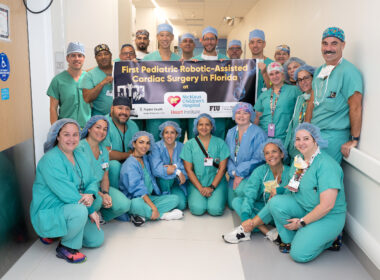
Cardiovascular Surgeons within Nicklaus Children’s Hospital Heart Institute Have Completed the First Robotics-Assisted Atrial Septal Defect (ASD) Repair in Florida and One of Few in the Nation MIAMI, Aug. 27, 2026 /PRNewswire/ — The cardiovascular surgery team at Nicklaus Children’s…

Research Shows that Patients with PSVT Experience a Substantial Burden Between Episodes, with Negative Impacts on Anxiety, Daily Activities, Sleep, and WorkMONTREAL and CHARLOTTE, N.C., Aug. 27, 2026 (GLOBE NEWSWIRE) — Milestone® Pharmaceuticals Inc. (Nasdaq: MIST), a biopharmaceutical company focused on the development and commercialization of innovative cardiovascular medicines, today announced findings from a longitudinal study describing how paroxysmal supraventricular tachycardia (PSVT) affects patients’ daily lives and quality of life in the periods between episodes. The findings are being presented in a moderated ePoster session titled “The Impact of PSVT on Patients’ Daily Life and QoL in Between Episodes” at the European Society of Cardiology (ESC) Congress 2026 on August 30, 2026, 15:15-16:00 CET, Station 6, Research Gateway, Hall A1. “This study’s findings broaden our understanding of the patient experience with PSVT and show that its impact can extend well beyond the acute episode,” said Sean D. Pokorney, M.D., MBA, Assistant Professor of Medicine, Duke University Medical Center and the Duke Clinical Research Institute, and study presenter. “The changes patients reported in activities such as driving, travel and exercise, together with persistent anxiety between episodes, illustrate a burden that is not captured by looking at episode frequency or duration alone.” PSVT is a common heart rhythm disorder in which the heart suddenly beats very fast affecting an estimated two million people in the United States. The acute symptoms of a PSVT episode are well recognized. However, the impact of living with the condition between episodes has not been well established. This study assessed patient-reported outcomes over nearly a year, capturing how PSVT shaped participants’ activities, emotions, and quality of life outside of a healthcare setting. The results show that many people living with PSVT change their behavior, avoid everyday activities, and carry anxiety with them even when they are not having an episode. Key Findings Approximately two in three patients adjusted their lifestyle between episodes to avoid stress, and nearly 40% reduced their activity or exercise routine because of PSVT.73% of patients reported daytime activity interruption between PSVT episodes.Automobile driving (53%) and travel (43%) were the everyday activities for which avoidance between PSVT episodes was most frequently rated as bothersome or extremely bothersome (score of 6 or 7 on a 7-point scale).Anxiety persisted between PSVT episodes. Patients reported an average anxiety level of 3.1 on a 7-point scale; 26% of patients reported feeling extremely anxious at some point during the study, and 16% reported the maximum anxiety score at least once.Side effects of medications taken chronically (e.g., daily) for PSVT were frequently reported as burdens. Fatigue and weakness were each rated as bothersome or extremely bothersome (6 or 7 on a 7-point scale) by 65% of patients.Sleep (30%) and capacity for work (22%) were the most commonly reported areas of lifestyle dissatisfaction (score of 1 or 2 on a 5-point scale). Conclusions PSVT imposes a substantial quality-of-life burden between episodes, affecting anxiety, daily activities, sleep, and work. Medication side effects and activity avoidance further contribute to this burden, underscoring that the impact of PSVT extends beyond acute symptomatic episodes and highlighting an unmet treatment need.The authors call for future research to evaluate the quality-of-life impact of at-home, self-administered treatments to terminate PSVT episodes. The prospective, longitudinal, web-based survey study enrolled 247 adults in the United States and United Kingdom with a self-reported diagnosis of PSVT and no history of catheter ablation at enrollment. Participants completed a baseline survey in February 2019, weekly tracking surveys through December 2019, and a closing survey. During weeks without a PSVT episode, participants completed quality-of-life assessments, including the World Health Organization Quality of Life–Brief Version (WHOQOL-BREF), and answered questions about lifestyle changes, avoidance behaviors, emotional symptoms, and anxiety. Participants had a mean age of 52 years, 72% were female, and the population carried a substantial comorbidity burden. The study was funded by Milestone Pharmaceuticals. “Better understanding the impact of PSVT on the patients’ daily lives – including between acute events – is important as we consider the management and treatment options which can more fully address the needs of people living with this condition,” said David Bharucha, M.D., PhD, FACC, Chief Medical Officer of Milestone Pharmaceuticals. About Paroxysmal Supraventricular Tachycardia (PSVT) An estimated two million people in the United States are currently diagnosed with PSVT, which is a type of arrhythmia or abnormal heart rhythm. PSVT is characterized by episodes of sudden onset rapid heartbeats often exceeding 150 to 200 beats per minute. The heart rate spike is unpredictable and may last several hours. The rapid heart rate often causes disabling severe palpitations, shortness of breath, chest discomfort, dizziness or lightheadedness, and distress, forcing patients to limit their daily activities. The uncertainty of when an episode of PSVT will strike or how long it will persist can provoke anxiety in patients and negatively impact their day-to-day life between episodes. The impact and morbidity from an attack can be especially detrimental in patients with underlying cardiovascular or medical conditions, such as heart failure, obstructive coronary disease, or dehydration. Many healthcare providers are dissatisfied with the lack of effective treatment options, with patients often electing to pursue prolonged, burdensome, and costly trips to the emergency department or even undergo invasive cardiac ablation procedures. About Milestone Pharmaceuticals Milestone Pharmaceuticals Inc. (Nasdaq: MIST) is an emerging commercial-stage biopharmaceutical company advancing innovative cardiovascular medicines to benefit people living with certain heart conditions. Milestone’s lead product is CARDAMYST® (etripamil) nasal spray, a novel calcium channel blocker, which is FDA-approved for the conversion of acute symptomatic episodes of paroxysmal supraventricular tachycardia (PSVT) to sinus rhythm in adults. Etripamil is also in Phase 3 development for the control of symptomatic episodic attacks associated with AFib-RVR. https://milestonepharma.com/ Contact:Investor RelationsKevin Gardner, kgardner@lifesciadvisors.com Media RelationsRebecca Novak, rnovak@milestonepharma.com

Results from two Phase 2 clinical trials assessing tovinontrine in both major types of chronic heart failure will be presented at the Heart Failure Society of America annual scientific meetingBURLINGTON, Mass., Aug. 27, 2026 (GLOBE NEWSWIRE) — Cardurion Pharmaceuticals, Inc. (“Cardurion”), a clinical-stage biotechnology company discovering and developing new therapeutic approaches for the treatment of patients with cardiovascular diseases, today announced that the Company will present results from the Phase 2 CYCLE clinical trials evaluating tovinontrine (CRD-750), a novel phosphodiesterase-9 (PDE9) inhibitor, in chronic heart failure. The results will be presented in late-breaking presentations at the Heart Failure Society of America (HFSA) Annual Scientific Meeting in Phoenix, Arizona taking place on October 9–12, 2026. Tovinontrine is an orally administered PDE9 inhibitor that represents a new mechanism to enhance the natriuretic peptide signaling (NPS) pathway, a clinically validated pathway for the treatment of patients with heart failure. Cardurion is the first company to bring a PDE9 inhibitor into clinical development for the treatment of chronic heart failure. “We look forward to sharing the exciting results from our CYCLE trials, which represent the first time that robust Phase 2 data have been completed for PDE9 inhibition in heart failure. Despite current standard of care, a large unmet medical need remains, and patients with chronic heart failure continue to experience high rates of morbidity and mortality,” said Howard Surks, MD, Chief Medical and Scientific Officer of Cardurion. “It is a major milestone for our company to successfully complete this large, global clinical program in both major types of heart failure, and the results of the CYCLE studies will guide the next stage of clinical development for tovinontrine as we move closer to our goal of bringing this novel PDE9 inhibitor to patients with chronic heart failure.” The presentations at HFSA in October will describe the results from Cardurion’s global, multi-center, Phase 2 clinical trials (NCT06215911 and NCT06215586) assessing the safety and efficacy of tovinontrine in the two major types of chronic heart failure: heart failure with reduced ejection fraction (HFrEF) and heart failure with preserved ejection fraction (HFpEF). Details for the presentations at HFSA are as follows: CYCLE-1 REF presentation title: A Phase 2, Randomized, Double-Blind, Placebo-Controlled, Dose-Finding Study to Assess the Safety and Effectiveness of Tovinontrine (CRD-750) in Patients With Chronic Heart Failure With Reduced Ejection Fraction: The Cycle-1 REF TrialCYCLE-2 PEF presentation title: A Phase 2, Randomized, Double-Blind, Placebo-Controlled, Clinical Study to Assess the Safety and Effectiveness of Tovinontrine (CRD-750) in Patients With Chronic Heart Failure With Preserved Ejection Fraction: The Cycle-2 PEF Trial About PDE9 InhibitionPhosphodiesterase (PDE) 9 is an enzyme whose elevated activity in patients with heart failure reduces the beneficial effects of the natriuretic peptide signaling (NPS) pathway. The NPS pathway plays an important and protective role in cardiac function, and its activation has been shown to confer outcomes benefit for patients with heart failure. PDE9 is significantly upregulated in patients with chronic heart failure, causing disruption in the NPS pathway. Cardurion is the first company to demonstrate clinical proof-of-mechanism for PDE9 inhibition in patients with chronic heart failure with its PDE9 program. About Heart FailureHeart failure is a prevalent and growing condition that is responsible for substantial morbidity and mortality. Approximately 6.7 million adults in the United States suffer from heart failure, and approximately 50 percent of these patients die from the condition within five years of diagnosis. One in five patients with heart failure are hospitalized annually, and approximately 25 percent of these patients are re-admitted within a month of discharge. Approximately half of all patients with chronic heart failure have reduced ejection fraction (HFrEF) and half have preserved ejection fraction (HFpEF), categorized as different diseases based on the pumping ability of the heart. Significant unmet medical needs remain in heart failure, despite the reductions in morbidity and mortality from currently approved treatments for heart failure. About Cardurion PharmaceuticalsCardurion Pharmaceuticals is a clinical-stage biotechnology company discovering and developing new therapeutic approaches to address cardiovascular diseases. Cardurion has extensive expertise in cardiovascular biology, signaling pathways and drug discovery and development, and it translates that expertise into potentially groundbreaking therapeutics with the promise to address the unmet needs of patients. Cardurion’s clinical-stage pipeline consists of product candidates targeting phosphodiesterase-9 (PDE9) and calcium/calmodulin-dependent protein kinase II (CaMKII). Cardurion is the first company to advance product candidates against these novel and important targets into clinical testing for the treatment of cardiovascular disease. Cardurion is headquartered in Burlington, Massachusetts, with discovery sciences and research facilities in Shonan, Japan. For more information, please visit Cardurion’s website at https://cardurion.com and follow us on LinkedIn. CONTACT: Contacts
Investors:
Charlie Newman
Chief Business & Operating Officer
charlie.newman@cardurion.com
Media Contact:
Kathryn Morris
The Yates Network LLC
kathryn@theyatesnetwork.com

CHICAGO–(BUSINESS WIRE)–Cardio Diagnostics has released a new edition of the company’s rural health report: The State of Rural Hospitals and Cardiovascular Care.

– The ASCEND-ATTR study builds on the Phase 3 ATTRibute-CM CMR substudy results previously shared here, which indicated treatment with acoramidis may improve cardiac structure and function with evidence of amyloid regression in a subset of patients – ATTR-CM has long been treated as a disease where progression can be slowed, but these findings raise the possibility that acoramidis may be capable of reversing progression and actively restoring heart health. TTR stabilization with acoramidis may allow the body’s natural amyloid clearance mechanisms to outpace amyloid formation, thereby enabling cardiac remodeling and functional recovery – ASCEND-ATTR will determine whether long-term acoramidis treatment is associated with sustained improvement in cardiac structural disease damage, function, and amyloid burden – Additional data from the CMR substudy of ATTRibute-CM and its open-label extension compared to a natural history cohort will be shared at the ESC Congress 2026 PALO ALTO, Calif., Aug. 26, 2026 (GLOBE NEWSWIRE) — BridgeBio Pharma, Inc. (Nasdaq: BBIO) (“BridgeBio” or the “Company”), a commercial-stage, multi-product biopharmaceutical company focused on developing medicines for genetic conditions, announced today that the first participant has been dosed in ASCEND-ATTR, a Phase 3b/4 study designed to further characterize the long-term effects of acoramidis on the improvement of cardiac structure, function, and amyloid burden in individuals with transthyretin amyloid cardiomyopathy (ATTR-CM). Acoramidis is the only selective small molecule, orally administered, near-complete (≥90%) transthyretin (TTR) stabilizer. “Serial cardiac imaging from the ATTRibute-CM CMR substudy gave us the first real signal that TTR stabilization can do more than slow disease progression, it may allow the heart to recover function and remodel favorably over time,” said Ahmad Masri, M.D., M.S. of Oregon Health and Science University. “ASCEND-ATTR will allow us to study these structural and functional changes prospectively and in far greater depth, across a notably larger patient cohort and with two complementary imaging modalities, to better understand the extent to which favorable remodeling can be achieved with long-term acoramidis treatment.” ASCEND-ATTR is a single-arm, prospective, longitudinal, open-label study that will enroll approximately 150 participants with ATTR-CM. Cardiovascular magnetic resonance (CMR) and cardiac echocardiography will be performed annually over 36 months. The primary efficacy endpoint is responder status at Month 36 by CMR, based on improvement from baseline in LV systolic function. Secondary endpoints include CMR measures of cardiac function, structure, and amyloid burden at Month 36, along with echocardiographic measures, circulating biomarkers, and imaging assessments at Months 12 and 24. This study reflects BridgeBio’s relentless pursuit in advancing care and addressing the unmet needs of the ATTR-CM community. The previously presented CMR substudy of ATTRibute-CM found treatment with acoramidis suggested disease improvement across multiple measurements of cardiac structure and function through month 30, including mean improvement from baseline in Left Ventricular Mass Index (LVMi), Left Ventricular Stroke Volume Index (LVSVi), and Left Ventricular Ejection Fraction (LVEF) with evidence of amyloid regression in a subset of patients. TTR stabilization with acoramidis may allow the rate of innate amyloid clearance mechanisms to exceed the rate of amyloid formation, thereby enabling cardiac remodeling and functional recovery. These findings suggest acoramidis may be capable of altering the trajectory of this otherwise progressive disease and actively restoring heart health. Additional data from the CMR substudy of ATTRibute-CM and its open-label extension compared to a natural history cohort will be shared at the European Society of Cardiology (ESC) Congress 2026. More information on ASCEND-ATTR (NCT07695701) can be found here on clinicaltrials.gov. About Attruby™ (acoramidis)INDICATIONAttruby is a transthyretin stabilizer indicated for the treatment of the cardiomyopathy of wild-type or variant transthyretin-mediated amyloidosis (ATTR-CM) in adults to reduce cardiovascular death and cardiovascular-related hospitalization. IMPORTANT SAFETY INFORMATIONAdverse ReactionsDiarrhea (11.6% vs 7.6%) and upper abdominal pain (5.5% vs 1.4%) were reported in patients treated with Attruby versus placebo, respectively. The majority of these adverse reactions were mild and resolved without drug discontinuation. Discontinuation rates due to adverse events were similar between patients treated with Attruby versus placebo (9.3% and 8.5%, respectively). About BridgeBio Pharma, Inc.BridgeBio exists to develop transformative medicines for genetic conditions. Millions of people worldwide living with genetic conditions lack treatment options, often because drug development for small patient populations can be commercially challenging. We aim to bridge the gap between advancements in genetic science and meaningful medicines for underserved patient populations. Our decentralized, hub-and-spoke model is designed for speed, precision, and scalability. Autonomous and empowered teams focus on individual conditions, while a central hub provides the clinical, regulatory, and commercial capabilities needed to bring innovation to market. For more information, visit bridgebio.com and follow us on LinkedIn, X, Facebook, Instagram, YouTube, and TikTok. BridgeBio Forward-Looking StatementsThis press release contains forward-looking statements. Statements in this press release may include statements that are not historical facts and are considered forward-looking within the meaning of Section 27A of the Securities Act of 1933, as amended (the Securities Act), and Section 21E of the Securities Exchange Act of 1934, as amended (the Exchange Act), which are usually identified by the use of words such as “anticipates,” “believes,” “continues,” “estimates,” “expects,” “hopes,” “intends,” “may,” “plans,” “projects,” “remains,” “seeks,” “should,” “will,” and variations of such words or similar expressions. BridgeBio intends these forward-looking statements to be covered by the safe harbor provisions for forward-looking statements contained in Section 27A of the Securities Act and Section 21E of the Exchange Act. These forward-looking statements include statements regarding the potential clinical significance and therapeutic implications of the data regarding acoramidis, including the potential for acoramidis to improve cardiac structure and function, promote cardiac remodeling and functional recovery, alter or reverse the progression of ATTR-CM, and restore heart health; the potential for TTR stabilization with acoramidis to allow innate amyloid clearance mechanisms to exceed the rate of amyloid formation and thereby enable cardiac remodeling and functional recovery; the design, conduct, enrollment, timing, endpoints and anticipated ability of ASCEND-ATTR to further characterize the long-term effects of acoramidis on cardiac structure, function and amyloid burden, including whether long-term treatment with acoramidis is associated with sustained improvement in cardiac structural disease damage, function and amyloid burden; and BridgeBio’s plans to present additional data from the CMR substudy of ATTRibute-CM and its open-label extension at future medical meetings. Although the Company believes that its plans, intentions, expectations and strategies as reflected in or suggested by those forward-looking statements are reasonable, the Company can give no assurance that the plans, intentions, expectations or strategies will be attained or achieved. Furthermore, actual results may differ materially from those described in the forward-looking statements and will be affected by a number of risks, uncertainties and assumptions, including, but not limited to, initial and ongoing data from the Company’s clinical trials not being indicative of final data; the design, enrollment, conduct, timing and success of ongoing and planned clinical trials, including ASCEND-ATTR; the risk that results from subgroup analyses or other analyses may not be predictive of future clinical outcomes or treatment effects; that observed improvements in cardiac structure, function or amyloid burden may not be replicated in additional analyses or studies or translate into improved long-term clinical outcomes; that mechanistic interpretations of observed data, including the potential relationship between TTR stabilization, innate amyloid clearance, cardiac remodeling and functional recovery, may not be borne out by further analyses or additional data; that ASCEND-ATTR may not demonstrate sustained improvement in cardiac structure, function or amyloid burden or otherwise confirm the findings or therapeutic implications suggested by prior analyses; that plans to present additional data may change; the impacts of current macroeconomic and geopolitical events, including changing conditions from hostilities in Ukraine and in Israel and the Middle East, increasing rates of inflation and changing interest rates, on business operations and expectations, as well as those risks set forth in the Risk Factors section of the Company’s most recent Quarterly Report on Form 10-Q and Annual Report on Form 10-K and the Company’s other filings with the U.S. Securities and Exchange Commission. Moreover, the Company operates in a very competitive and rapidly changing environment in which new risks emerge from time to time. These forward-looking statements are based upon the current expectations and beliefs of the Company’s management as of the date of this press release, and are subject to certain risks and uncertainties that could cause actual results to differ materially from those described in the forward-looking statements. Except as required by applicable law, BridgeBio assumes no obligation to update publicly any forward-looking statements, whether as a result of new information, future events or otherwise. BridgeBio Media Contact: Kaitlyn Reilly, Director, Communicationscontact@bridgebio.com (650)-789-8220 BridgeBio Investor Contact: Kristen Kelleher, Director, Investor Relations ir@bridgebio.com

Investigator-led abstracts will explore new data on FAI-Score’s prognostic value, alongside emerging applications in stroke prediction and virtual biopsy of arterial inflammation OXFORD, England and STAMFORD, Conn., Aug. 24, 2026 /PRNewswire/ — Caristo Diagnostics, a global leader in AI…


