Other News

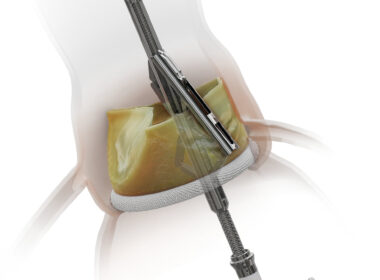
Polares Medical Raises $50 Million Series C to Advance U.S. Expansion of MRace Following Strong Clinical Results

LAUSANNE, Switzerland & PALO ALTO, Calif.–(BUSINESS WIRE)–Polares Medical SA (“Polares”), a clinical-stage structural heart company developing the MRace Posterior Leaflet Replacement (PLR) system for mitral regurgitation (MR), today announced the closing of a $50 million Series C financing. The oversubscribed financing was achieved with strong participations from DC Global Ventures, Lumination Partners, existing investors, and a new strategic investor. Polares is focused on the large and grow

Microbot Medical® Confirms Continued Operational and Commercial Stability Amid Current Geopolitical Event

HINGHAM, Mass., March 03, 2026 (GLOBE NEWSWIRE) — Microbot Medical Inc. (Nasdaq: MBOT), developer and distributor of the innovative LIBERTY® Endovascular Robotic System, announced today that the Company, both in the USA and in Israel, is not experiencing any business disruption as a result of current geopolitical events. The safety and security of the employees remain its top priority. All personnel continue to operate as usual, and both internal operations and the lead manufacturing partner remain fully functional.

BioCardia Late Breaking Echocardiography Clinical Results from CardiAMP HF Trial Presented at Technology and Heart Failure Therapeutics (THT)

Echocardiography outcomes show treated patients having reduced negative remodeling of heart volumesSUNNYVALE, Calif., March 03, 2026 (GLOBE NEWSWIRE) — BioCardia, Inc. [Nasdaq: BCDA], a developer of cellular and cell-derived therapeutics for the treatment of cardiovascular and pulmonary diseases, today reported late breaking echocardiography results from its Phase III clinical trial for ischemic heart failure of reduced ejection fraction (HFrEF), which affects millions of patients in the United States.    The clinical results were presented by Dr. Amish Raval, M.D., Professor of Medicine at University of Wisconsin School of Medicine and Public Health and CardiAMP HF Trial National Co-Principal Investigator, in the late breaking clinical trial oral presentation session of the Technology and Heart Failure Therapeutics (THT) on behalf of the CardiAMP HF Investigators. The presentation was titled: Autologous Cell Therapy May Curb Pathological Ventricular Remodeling in Chronic Ischemic HFrEF Patients Selected for Favorable Cell Characteristics – Late Breaking Echocardiography Results from the CardiAMP HF Trial. Dr. Raval reported that patients receiving the autologous CardiAMP cell therapy under investigation demonstrated positive evidence of decreased pathological left ventricular remodeling over time compared to patients not receiving the treatment. These results correlated to findings for the trial primary and key secondary endpoints of reduced fatal and non-fatal major adverse cardiovascular events and improved quality of life measures for treated patients. Echocardiography outcomes were measured by the blinded echo cardiography core laboratory at the Yale University Cardiovascular Research Group. The Yale core laboratory measured both left ventricular end diastolic volume, when the heart ventricle is fully dilated (p = 0.06), and left ventricular end systolic volume, when the heart is fully contracted (p=0.09). For the prespecified subgroup of patients having elevated biomarkers of heart stress, the differences between the treated and control patients were both clinically meaningful ( >20ml/m2 and 15 ml/m2, respectively) and statistically significant (p = 0.02 and p = 0.01, respectively). “In patients with baseline elevated NTproBNP levels, a biomarker of myocardial stress, CardiAMP treatment is associated with less adverse cardiac remodeling according to core-lab measured left ventricular volumes,” said Wilson Tang, MD, Professor of Medicine, Research Director of Heart Failure and Transplant, at Cleveland Clinic in Cleveland Ohio, and member of the Executive Steering Committee for the CardiAMP HF trials. “The burden of heart failure continues to grow, cardiac ischemia dominates the cause, and the impact of current pharmaceuticals remains limited,” said Carl Pepine, MD, MACC, Professor of Medicine at University of Florida at Gainesville, and Co-National Principal Investigator for the CardiAMP HF trial. Today’s results from the CardiAMP-HF cell therapy trial are promising and show the potential of optimally targeting subgroups for treatment.” BioCardia believes these results provide additional evidence in support of benefit for the CardiAMP Cell Therapy for patients with ischemic heart failure of reduced ejection fraction. Reduced ventricular size in ischemic heart failure has long been recognized as highly prognostic for more positive long-term outcomes for patients.1, 2 Today’s presentation is available on the BioCardia website: THT2026 CardiAMP HF About CardiAMP Autologous Cell TherapyGranted FDA Breakthrough designation, CardiAMP Cell Therapy uses a patient’s own bone marrow cells delivered to the heart in a minimally invasive, catheter-based procedure intended to increase capillary density and reduce tissue fibrosis of myocardial tissue to address microvascular dysfunction. Clinical development of the CardiAMP Cell Therapy for heart failure is supported by the Maryland Stem Cell Research Fund and is reimbursed by Centers for Medicare and Medicaid Services (CMS). CAUTION – Limited by United States law to investigational use.  About BioCardia® BioCardia, Inc., headquartered in Sunnyvale, California, is a global leader in cellular and cell-derived therapeutics for the treatment of cardiovascular and pulmonary disease. CardiAMP® autologous and CardiALLO™ allogeneic cell therapies are the Company’s biotherapeutic platforms with three cardiac clinical stage product candidates in development. These therapies are enabled by its Helix™ biotherapeutic delivery and Morph® vascular navigation product platforms, and soon the Heart3D™ fusion imaging platform. BioCardia selectively partners on biotherapeutic delivery with peers developing important biologic therapies. For more information visit www.biocardia.com. References Kramer DG, Trikalinos TA, Kent DM, Antonopoulos GV, Konstam MA, Udelson JE. Quantitative evaluation of drug or device effects on ventricular remodeling as predictors of therapeutic effects on mortality in patients with heart failure and reduced ejection fraction: a meta-analytic approach. J Am Coll Cardiol. 2010 Jul 27;56(5):392-406. doi: 10.1016/j.jacc.2010.05.011. PMID: 20650361; PMCID: PMC4523221.Ito K, Li S, Homma S, Thompson JLP, Buchsbaum R, Matsumoto K, Anker SD, Qian M, Di Tullio MR; WARCEF Investigators. Left ventricular dimensions and cardiovascular outcomes in systolic heart failure: the WARCEF trial. ESC Heart Fail. 2021 Dec;8(6):4997-5009. doi: 10.1002/ehf2.13560. Epub 2021 Sep 20. PMID: 34545701; PMCID: PMC8712869. Forward Looking Statements  This press release contains forward-looking statements that are subject to many risks and uncertainties. Forward-looking statements include, among other things, statements regarding our intentions, beliefs, projections, outlook, analyses or current expectations. Such risks and uncertainties include, among others, the inherent uncertainties associated with developing new products or technologies, regulatory approvals, unexpected expenditures, the ability to raise the additional funding needed to continue to pursue BioCardia’s business and product development plans, the ability to enter into licensing and partnering arrangements, and overall market conditions. These forward-looking statements are made as of the date of this press release, and BioCardia assumes no obligation to update the forward-looking statements. We may use terms such as “believes,” “estimates,” “anticipates,” “expects,” “plans,” “intends,” “may,” “could,” “might,” “will,” “should,” “approximately” or other words that convey the uncertainty of future events or outcomes to identify these forward-looking statements. Although we believe that we have a reasonable basis for each forward-looking statement contained herein, we caution you that forward-looking statements are not guarantees of future performance and that our actual results may differ materially from the forward-looking statements contained in this press release. Factors that could cause or contribute to such differences include, but are not limited to, the Company’s liquidity position and its ability to raise additional funds, as well as the Company’s ability to successfully progress its clinical trials. As a result of these factors, we cannot assure you that the forward-looking statements in this press release will prove to be accurate. Additional factors that could materially affect actual results can be found in BioCardia’s Form 10-K filed with the Securities and Exchange Commission on March 26, 2025, under the caption titled “Risk Factors” and in its subsequently filed Quarterly Reports on Form 10-Q. BioCardia expressly disclaims any intent or obligation to update these forward-looking statements, except as required by law.   Media Contact:Miranda Peto, Marketing / Investor RelationsEmail: mpeto@BioCardia.comPhone: 650-226-0120 Investor Contact:David McClung, Chief Financial OfficerEmail: investors@BioCardia.comPhone: 650-226-0120

Chiesi Global Rare Diseases Announces FDA Approval of JUXTAPID® (lomitapide) Capsules for Pediatric Use in Homozygous Familial Hypercholesterolemia (HoFH)

Approval expands indication of JUXTAPID® to include children 2 years of age and older with HoFH This announcement was made during the week of Rare Disease Day, which aims to raise awareness about the impact of rare diseases on patients BOSTON, March 03, 2026 (GLOBE NEWSWIRE) — Chiesi Global Rare Diseases, a business unit of the Chiesi Group established to deliver innovative therapies and solutions for people living with rare diseases, announced today that the U.S. Food and Drug Administration (FDA) has approved JUXTAPID® (lomitapide) capsules for pediatric use in homozygous familial hypercholesterolemia (HoFH) for children 2 years of age and older. JUXTAPID is a proven therapy that has been approved in the United States for adult patients with HoFH to be used along with diet and other lipid-lowering treatments, since 2012. HoFH, an ultra-rare genetic disorder, impacts an estimated 1 in 250,000 to 1 in 360,000 individuals worldwide, including children, who can be born with dangerously high low-density lipoprotein cholesterol (LDL-C) levels.1,2 Without early intervention, those living with this condition face a significantly increased risk of severe atherosclerosis.3,4 “This approval represents more than a regulatory milestone; it’s a meaningful advancement for children and families living with HoFH,” said Mitch Goldman, Senior Vice President, R&D, Chiesi Global Rare Diseases. “By expanding access to JUXTAPID for children 2 years of age and older, we’re enabling very young members of the HoFH community to benefit from the same proven treatment that has already helped adults manage their condition. This achievement reflects our unwavering commitment to bringing safe, effective therapies to those who need them most and to making a lasting difference at every stage of life.” “Children with HoFH face extraordinary challenges from the moment they’re diagnosed,” said Katherine Wilemon, Founder and CEO of Family Heart Foundation. “Their lives are shaped by frequent medical visits and the constant worry of cardiovascular risk at an age when most kids are just learning to ride a bike or play sports. The recent treatment approval for this age group marks a meaningful step forward for young children impacted by HoFH.” The FDA’s approval is grounded on evidence from a Phase 3, open-label, multicenter study (APH-19) evaluating the safety and efficacy of JUXTAPID® in 43 pediatric participants aged 5 to 17 years with HoFH who were receiving standard-of-care lipid-lowering therapy and a low-fat diet.5 Over a 24-week treatment period, JUXTAPID was titrated to each participant’s highest tolerated dose. The study demonstrated a mean 49% reduction in low-density lipoprotein cholesterol (LDL-C) from baseline, accompanied by significant decreases in non-high-density lipoprotein cholesterol (non-HDL-C), total cholesterol, very low-density lipoprotein cholesterol (VLDL-C), apolipoprotein B, and triglycerides. Adverse events were primarily gastrointestinal or hepatic in nature, consistent with the known safety profile of JUXTAPID. An integrated model-based analysis confirmed that JUXTAPID is safe and efficacious for the treatment of HoFH in pediatric populations and support the dose justification in children > 2 yrs old. Overall, the results showed that JUXTAPID achieved substantial, clinically meaningful reductions in LDL-C in pediatric use for HoFH.6 USE and IMPORTANT SAFETY INFORMATIONJUXTAPID (lomitapide) is a prescription medicine used along with a low-fat diet, exercise and other low-density lipoprotein (LDL) lowering medicines to reduce LDL-C in adults and children 2 years of age and older with a type of high cholesterol called homozygous familial hypercholesterolemia (HoFH). It is not known if JUXTAPID is safe and effective in people with kidney problems including people with end-stage kidney disease who are not on dialysis. It is not known if JUXTAPID is safe and effective when used in children under the age of 2. IMPORTANT SAFETY INFORMATION What is the most important information I should know about JUXTAPID? JUXTAPID is available only through certified pharmacies that are enrolled in the JUXTAPID REMS Program. Your healthcare provider must be enrolled in the program in order for you to be prescribed JUXTAPID.There is a registry that collects information about the effects of taking JUXTAPID over time. Ask your healthcare provider for more information about this registry or visit www.JUXTAPID.com or call 1-877-902-4099. JUXTAPID may cause serious side effects, including: Liver Problems: JUXTAPID can cause liver problems such as increased liver enzymes or increased fat in the liver. For this reason, your healthcare provider should do blood tests to check your liver before you start JUXTAPID, if your dose is increased, and while you take JUXTAPID. If your tests show signs of liver problems, your doctor may lower your dose of JUXTAPID or stop it altogether.You should tell your doctor if you have had liver problems in the past, including liver problems while taking other medicines.JUXTAPID may cause nausea, vomiting and stomach pain, especially if you do not eat a low-fat diet. These side effects can also be symptoms of liver problems. Tell your healthcare provider right away if you have nausea; vomiting or stomach pain that gets worse, does not go away, or changes; fever; flu-like symptoms; yellowing of your eyes or skin; or are feeling more tired than usual while taking JUXTAPID.Do not drink more than 1 alcoholic drink per day while taking JUXTAPID. Harm to your unborn baby: Do not take JUXTAPID if you are pregnant, think you may be pregnant, or are planning to become pregnant.If you are a female who can get pregnant, you should have a negative pregnancy test result before you start on JUXTAPID. Use effective birth control while taking JUXTAPID and for 2 weeks after your last dose of JUXTAPID. If you become pregnant while taking JUXTAPID, stop taking JUXTAPID and call your healthcare provider right away. Do not take JUXTAPID if you: Are taking medicines that are strong or moderate CYP34A inhibitors (for example, certain medicines used to treat bacterial, fungal, or viral infections, and medicines used to treat depression, high blood pressure or chest pain). These medicines may affect how your body breaks down JUXTAPID.Drink grapefruit juice.Have moderate to severe liver problems or active liver disease, including abnormal liver function tests. Before you take JUXTAPID, tell your healthcare provider about all of your medical conditions, including if you have liver problems; have kidney problems; have intestine or bowel problems; drink alcohol; are breastfeeding or plan to breastfeed. It is not known if JUXTAPID passes into your breastmilk. You and your healthcare provider should decide if you will take JUXTAPID or breastfeed. You should not do both. Tell your healthcare provider about all the medicines you take, including prescription and over-the-counter medicines, vitamins, and herbal supplements. JUXTAPID may affect the way other medicines work, and other medicines may affect how JUXTAPID works. Other possible side effects of JUXTAPID include: Problems absorbing certain nutrients. JUXTAPID makes it harder for some fat-soluble nutrients, such as vitamin E and fatty acids, to get into your body. Take supplements that contain fat-soluble vitamins each day while you take JUXTAPID.Gastrointestinal symptoms. Diarrhea, nausea, vomiting, and stomach pain or discomfort are very common when taking JUXTAPID. Strictly following a low-fat diet may help lower the chance of having these symptoms. Stop taking JUXTAPID and tell your healthcare provider if you have severe diarrhea, especially if you also have lightheadedness, decreased urine output, or tiredness.Muscle pain, tenderness and weakness (myopathy). This can happen when JUXTAPID is taken with certain doses of simvastatin and lovastatin. Tell your doctor right away if you have unexplained muscle pain, tenderness, or weakness, especially if you have a fever or feel more tired than usual while taking JUXTAPID.Increased levels of certain blood thinners. JUXTAPID can increase the level of the blood thinner, warfarin. If you take warfarin, your healthcare provider should check your blood clotting times frequently, especially after your dose of JUXTAPID changes. Liver problems caused by certain drugs. Certain medicines can cause liver problems, including isotretinoin, acetaminophen, methotrexate, tetracyclines, and tamoxifen. If you take these medicines with JUXTAPID your healthcare provider may do blood tests more often to check your liver.The most common side effects of JUXTAPID in adults and children 5 years of age and older include: diarrhea, nausea, stomach (abdominal) pain, indigestion, vomiting, and increases in liver enzymes. Tell your healthcare provider if you have any side effect that bothers you or that does not go away. These are not all the possible side effects of JUXTAPID. For more information, ask your healthcare provider or pharmacist. Call your doctor for medical advice about side effects. You are encouraged to report negative side effects of prescription drugs to the FDA. Visit www.FDA.gov/medwatch or call 1-800-FDA-1088. For additional information, please see the Medication Guide and full Prescribing Information, including BOXED WARNING. About HoFHHomozygous familial hypercholesterolemia (HoFH) is a serious, rare genetic disease that impairs the function of the receptor responsible for removing low-density lipoprotein cholesterol (LDL-C) (“bad” cholesterol) from the body. A loss of low-density lipoprotein (LDL) receptor function results in extreme elevation of blood cholesterol levels. Individuals with HoFH often develop premature and progressive atherosclerosis, a narrowing or blocking of the arteries. About JUXTAPID® (lomitapide)JUXTAPID (lomitapide) is a prescription medicine used along with a low-fat diet, exercise and other low-density lipoprotein (LDL) lowering medicines to reduce LDL-C in adults and children 2 years of age and older with a type of high cholesterol called homozygous familial hypercholesterolemia (HoFH). About Chiesi GroupChiesi is a research-oriented international biopharmaceutical group that develops and markets innovative therapeutic solutions in respiratory health, rare diseases, and specialty care. The company’s mission is to improve people’s quality of life and act responsibly towards both the community and the environment. By changing its legal status to a Benefit Corporation in Italy, the US, France and Colombia, Chiesi’s commitment to creating shared value for society as a whole is legally binding and central to company-wide decision-making. As a certified B Corp since 2019, Chiesi is part of a global community of businesses that meet high standards of social and environmental impact. The company aims to reach Net-Zero greenhouse gases (GHG) emissions by 2035. With 90 years of experience, Chiesi is headquartered in Parma (Italy), with 31 affiliates worldwide, and counts more than 7,500 employees. The Group’s research and development center in Parma works alongside 6 other important R&D hubs in France, the US, Canada, China, the UK, and Sweden. For more information visit www.chiesi.com. About Chiesi Global Rare Diseases Chiesi Global Rare Diseases is a business unit of the Chiesi Group established to deliver innovative therapies and solutions for people living with rare diseases. As a family business, Chiesi Group strives to create a world where it is common to have therapy for all diseases and acts as a force for good, for society and the planet. The goal of the Global Rare Diseases unit is to ensure equal access so as many people as possible can experience their most fulfilling life. The unit collaborates with the rare disease community around the globe to bring voice to underserved people in the health care system.  For more information visit www.chiesirarediseases.com.  Follow @ChiesiGlobalRareDiseases on LinkedIn, Facebook, Instagram, X and YouTube.  Chiesi Global Rare Diseases Media ContactSky StriarLifeSci CommunicationsEmail: sstriar@lifescicomms.com References Cuchel, M., Raal, F. J., Hegele, R. A., Al-Rasadi, K., Arca, M., Averna, M., Bruckert, E., Freiberger, T., Gaudet, D., Harada-Shiba, M., Hudgins, L. C., Kayikcioglu, M., Masana, L., Parhofer, K. G., Roeters van Lennep, J. E., Santos, R. D., Stroes, E. S. G., Watts, G. F., Wiegman, A., Stock, J. K., … Ray, K. K. (2023). 2023 Update on European Atherosclerosis Society Consensus Statement on Homozygous Familial Hypercholesterolaemia: new treatments and clinical guidance. European heart journal, 44(25), 2277–2291. Mainieri, F., Tagi, V. M., & Chiarelli, F. (2022). Recent Advances on Familial Hypercholesterolemia in Children and Adolescents. Biomedicines, 10(5), 1043. Graves, L. E., Horton, A., Alexander, I. E., & Srinivasan, S. (2023). Gene Therapy for Paediatric Homozygous Familial Hypercholesterolaemia. Heart, Lung and Circulation, 32(7), 769-779.Nohara, A., Tada, H., Ogura, M., Okazaki, S., Ono, K., Shimano, H., Daida, H., Dobashi, K., Hayashi, T., Hori, M., Matsuki, K., Minamino, T., Yokoyama, S., & Harada-Shiba, M. (2021). Homozygous Familial Hypercholesterolemia. Journal of Atherosclerosis and Thrombosis, 28(7), 665. Masana L, Zambon A, Schmitt CP, Taylan C, Driemeyer J, Cohen H, Buonuomo PS, Alashwal A, Al-Dubayee M, Kholaif N, Diaz-Diaz JL, Maatouk F, Martinez-Hervas S, Mangal B, Löwe S, Cunningham T. Lomitapide for the treatment of paediatric patients with homozygous familial hypercholesterolaemia (APH-19): results from the efficacy phase of an open-label, multicentre, phase 3 study. Lancet Diabetes Endocrinol. 2024 Dec;12(12):880-889. doi: 10.1016/S2213-8587(24)00233-X. Epub 2024 Oct 16. PMID: 39426393.JUXTAPID (lomitapide) Prescribing Information. Chiesi Farmaceutici S.p.A.; 2026 PP-RA-01435 V1.0

Orchestra BioMed Announces Presentations Highlighting AVIM Therapy Potential Impact on Hypertensive Heart Disease and Heart Failure at THT and CRT

NEW HOPE, Pa., March 03, 2026 (GLOBE NEWSWIRE) — Orchestra BioMed Holdings, Inc. (Nasdaq: OBIO) (“Orchestra BioMed” or the “Company”), a biomedical company accelerating high-impact technologies to patients through strategic partnerships with market-leading global medical device companies, today announced two presentations that will be given at the Technology Heart Failure and Therapeutics (“THT”) and Cardiovascular Research Technologies (“CRT”) 2026 Meetings highlighting the potential for the Company’s Atrioventricular Interval Modulation Therapy (“AVIM Therapy”) program in hypertensive heart disease and heart failure patients. Presentation at THT 2026Atrioventricular Interval Modulation Therapy: A Device-Based Therapy for Hypertension and Diastolic Heart Failure (Tuesday, March 3, 2026, at 10:20am ET) Presenter: David E. Kandzari, MD, FACC, MSCAI, Chief, Piedmont Heart Institute and Cardiovascular Services, Co-Principal Investigator for the BACKBEAT global pivotal study (“BACKBEAT Study”)Dr. Kandzari will present mechanistic and clinical data highlighting the potential application of AVIM Therapy to treat diastolic dysfunction, a precursor of heart failure with preserved ejection fraction (“HFpEF”). The presentation will highlight pilot study data demonstrating sustained systolic blood pressure reductions associated with delivery of AVIM Therapy alongside improvements in cardiac hemodynamics, ventricular remodeling, and echocardiographic measures of diastolic function. Dr. Kandzari commented, “AVIM Therapy has the potential to offer a new treatment paradigm that leverages active implantable devices with a long, established clinical history. The BACKBEAT Study, which continues to accelerate and build momentum, is focused on evaluating the potentially compelling benefit of this novel, always-on therapy for hypertension in pacemaker-indicated patients. In parallel, pilot study clinical and mechanistic results demonstrate that modulation of the atrioventricular interval drives hemodynamic and autonomic nervous system function impact that could help patients with HFpEF, a population with limited therapeutic options. Together, the presentations at the THT and CRT meetings underscore that AVIM Therapy has the future potential to benefit both hypertensive heart disease and heart failure patients.” Presentation at CRT 2026Update on AVIM Therapy: A Pacemaker-Based Treatment for Hypertension (Sunday, March 8, 2026, at 9:18am ET) Presenter: Dan Burkhoff, MD, PhD, Director, Heart Failure, Hemodynamics and MCS Research, Cardiovascular Research FoundationDr. Burkhoff will summarize the robust body of pilot study clinical evidence demonstrating sustained and reproducible systolic blood pressure reductions associated with delivery of AVIM Therapy, along with improvements in hemodynamics, ventricular remodeling, and stable long-term outcomes in pacemaker-indicated patients with hypertension. Dr. Burkhoff added, “In pilot studies, AVIM Therapy demonstrated an immediate reduction in systolic blood pressure that starts upon treatment activation and persists through nearly four years of follow-up. Long-term washout pilot study data demonstrating reproducible blood pressure reduction without evidence of disease progression further highlight the unique potential clinical utility of this therapy. Sustained blood pressure control in higher risk, older, comorbid patients that does not require additional patient adherence to daily medications can have important clinical impact in a population where blood pressure management is essential to reducing the risk of stroke, myocardial infarction, and heart failure.” About Orchestra BioMed Orchestra BioMed is a biomedical innovation company accelerating high-impact technologies to patients through strategic collaborations with market-leading global medical device companies. The Company’s two flagship product candidates – Atrioventricular Interval Modulation (AVIM) Therapy and Virtue® Sirolimus AngioInfusion™ Balloon (Virtue SAB) – are currently undergoing pivotal clinical trials for their lead indications, each representing multi-billion-dollar annual global market opportunities. AVIM Therapy is a bioelectronic treatment for hypertension, the leading risk factor for death worldwide, and is designed to be delivered as a firmware upgrade to a pacemaker and achieve immediate, substantial and sustained reductions in blood pressure in patients with hypertensive heart disease. The Company has a strategic collaboration with Medtronic, one of the largest medical device companies in the world, for the development and commercialization of AVIM Therapy for the treatment of uncontrolled hypertension in pacemaker-indicated patients. AVIM Therapy has FDA Breakthrough Device Designation for these patients, as well as an estimated 7.7 million total patients in the U.S. with uncontrolled hypertension despite medical therapy and increased cardiovascular risk. Virtue SAB is a highly differentiated, first-of-its-kind non-coated drug delivery angioplasty balloon system designed to deliver a large liquid dose of proprietary extended-release formulation of sirolimus, SirolimusEFR™, for the treatment of atherosclerotic artery disease, the leading cause of mortality worldwide. Virtue SAB has been granted Breakthrough Device Designation by the FDA for the treatment of coronary in-stent restenosis, coronary small vessel disease and below-the-knee peripheral artery disease. For further information about Orchestra BioMed, please visit www.orchestrabiomed.com, and follow us on LinkedIn. About AVIM Therapy AVIM Therapy is an investigational therapy compatible with standard dual-chamber pacemakers designed to substantially and persistently lower blood pressure. It has been evaluated in pilot studies in patients with hypertension who are also indicated for a pacemaker. MODERATO II, a double-blind, randomized pilot study, showed that patients treated with AVIM Therapy experienced net reductions of 8.1 mmHg in 24-hour ambulatory systolic blood pressure (aSBP) and 12.3 mmHg in office systolic blood pressure (oSBP) at six months when compared to control patients. In addition to reducing blood pressure, clinical results using AVIM Therapy demonstrate improvements in cardiac function and hemodynamics. The BACKBEAT (BradycArdia paCemaKer with atrioventricular interval modulation for Blood prEssure treAtmenT) global pivotal study will evaluate the safety and efficacy of AVIM Therapy in lowering blood pressure in patients who have systolic blood pressure above target despite anti-hypertensive medication and who are indicated for or have recently received a dual-chamber cardiac pacemaker. AVIM Therapy has been granted Breakthrough Device Designation by the FDA for the treatment of uncontrolled hypertension in patients who have increased cardiovascular risk. Forward-Looking Statements Certain statements included in this press release that are not historical facts are forward-looking statements for purposes of the safe harbor provisions under the United States Private Securities Litigation Reform Act of 1995. Forward-looking statements generally are accompanied by words such as “believe,” “may,” “will,” “estimate,” “continue,” “anticipate,” “intend,” “expect,” “should,” “would,” “plan,” “predict,” “potential,” “seem,” “seek,” “future,” “outlook” and similar expressions that predict or indicate future events or trends or that are not statements of historical matters. These forward-looking statements include, but are not limited to, statements relating to the initiation, enrollment, timing, implementation and design of the Company’s ongoing pivotal trials, realizing the clinical and commercial value of AVIM Therapy and Virtue SAB, the potential safety and efficacy of the Company’s product candidates, and the ability of the Company’s partnerships to accelerate clinical development. These statements are based on various assumptions, whether or not identified in this press release, and on the current expectations of the Company’s management and are not predictions of actual performance. These forward-looking statements are provided for illustrative purposes only and are not intended to serve as and must not be relied on as a guarantee, an assurance, a prediction, or a definitive statement of fact or probability. Actual events and circumstances are difficult or impossible to predict and may differ from assumptions. Many actual events and circumstances are beyond the control of the Company. These forward-looking statements are subject to a number of risks and uncertainties, including changes in domestic and foreign business, market, financial, political, and legal conditions; risks related to regulatory approval of the Company’s commercial product candidates and ongoing regulation of the Company’s product candidates, if approved; the timing of, and the Company’s ability to achieve expected regulatory and business milestones; the impact of competitive products and product candidates; and the risk factors discussed under the heading “Item 1A. Risk Factors” in the Company’s Annual Report on Form 10-K for the year ended December 31, 2024, which was filed with the SEC on March 31, 2025 and the risk factor discussed under the heading “Item 1A. Risk Factors” in the Company’s Quarterly Report on Form 10-Q for the quarterly period ended March 31, 2025, which was filed with the SEC on May 12, 2025. The Company operates in a very competitive and rapidly changing environment. New risks emerge from time to time. Given these risks and uncertainties, the Company cautions against placing undue reliance on these forward-looking statements, which only speak as of the date of this press release. The Company does not plan and undertakes no obligation to update any of the forward-looking statements made herein, except as required by law. Investor Contact:Silas NewcombOrchestra BioMedSnewcomb@orchestrabiomed.com Media Contact:Kelsey Kirk-EllisOrchestra BioMedkkirkellis@orchestrabiomed.com

Kestra Medical Technologies to Report Third Quarter Fiscal 2026 Financial Results on March 17

KIRKLAND, Wash., March 03, 2026 (GLOBE NEWSWIRE) — Kestra Medical Technologies, Ltd. (Nasdaq: KMTS), a leading wearable medical device and digital healthcare company, today announced that it will report third quarter fiscal 2026 financial results on Tuesday, March 17. Management will host a corresponding conference call at 4:30 p.m. Eastern Time. A live and archived webcast of the conference call will be available in the “Events” section of the investor relations website. Participants are encouraged to register on the website 10 minutes prior to the start of the conference call. About KestraKestra Medical Technologies, Ltd. is a leading wearable medical device and digital healthcare company focused on transforming patient outcomes in cardiovascular disease using monitoring and therapeutic intervention technologies that are intuitive, intelligent, and connected. For more information, visit www.kestramedical.com. CONTACT: Investor contact
Neil Bhalodkar
neil.bhalodkar@kestramedical.com

Esperion Therapeutics and Corstasis Therapeutics Announce Esperion’s Definitive Agreement to Acquire Corstasis, Expanding Its Cardiovascular Franchise with Enbumyst™ (bumetanide nasal spray)

ANN ARBOR, Mich. & HENDERSON, Nev.–(BUSINESS WIRE)– #CHF–Esperion (NASDAQ: ESPR) and Corstasis Therapeutics Inc., a privately-held, commercial-stage biopharmaceutical company advancing innovative outpatient therapies for the treatment of edema associated with cardiovascular, and hepatic and renal disease, today announced they have entered into a definitive agreement for Esperion to acquire Corstasis. Under the terms of the agreement, Esperion will acquire Corstasis, which developed and is commercia

SHERPA research consortium initiates seven clinical studies to validate AI-based assistive technologies for minimally invasive brain and cancer treatments

Members of the SHERPA project team

Members of the SHERPA project team

Philips Azurion interventional oncology procedure

Philips Azurion interventional oncology procedure

SHERPA project logo

SHERPA project logo

March 3, 2026 With a total budget of EUR 21.5 million, the four-year SHERPA research project is coordinated by Philips and co-funded by the EU Innovative Health Initiative (IHI) and industry partnersThe project focuses on developing automated workflows for minimally invasive neurovascular and tumor treatments – clinical procedures where staffing levels and specialized expertise are in short supplyThe clinical studies are being conducted at University Medical Center Utrecht, St Antonius Hospital, University Medical Center Hamburg-Eppendorf, Hôpital Bicêtre AP-HP, and Hospital de la Santa Creu i Sant PauOn March 4 (16:30 – 17:30 CET), SHERPA will be featured at the European Congress of Radiology 2026 in a dedicated session Amsterdam, the Netherlands – Royal Philips (NYSE: PHG, AEX: PHIA), a global leader in health technology, today announced that the Philips-coordinated SHERPA research consortium has initiated seven clinical studies to demonstrate the benefits of AI- and robotics-assisted workflows in minimally invasive treatments for brain aneurysms* and liver tumors. Staff shortages, coupled with the complex nature of the work, place significant pressure on interventional radiologists and interventional neuroradiologists who perform these procedures. The SHERPA consortium aims to validate AI-powered technologies in imaging, data visualization, procedure planning and guidance, clinical decision support, and patient pathway orchestration. These technologies are designed to automate repetitive, time-consuming tasks, support decision-making, and accelerate learning to ease the workload of interventional (neuro)radiologists. The four-year research project is co-funded by the industry partners through in-kind contributions and additional resources, as well as by the European Union Innovative Health Initiative (IHI), and comprises 16 partners from seven European countries. “Over the past year, the SHERPA project has brought together a talented team of researchers who have developed a technology framework designed to make workflow automation a reliable companion – a ‘sherpa’ – for interventional (neuro)radiologists as they navigate some of their most complex procedures,” said Bert van Meurs, Chief Business Leader, Image Guided Therapy, at Royal Philips. “By providing a template for the future adoption of AI-enabled assistive technologies and accelerating the associated learning curve, this framework will help address the increased demand for interventional (neuro)radiologists in Europe and beyond.” “Demand for image-guided, minimally invasive procedures has outpaced the growth of the specialized workforce,” said Irene van der Schaaf, Professor Neurovascular Interventional Radiology, UMC Utrecht. “At the same time, procedures are becoming more complex and technology is advancing rapidly, making it harder for teams to keep pace. In interventional radiology, technology and human touch go hand in hand. Physicians must manage highly technical tasks – sometimes away from the patient – while continuing to provide personal care and reassurance. The SHERPA project aims to develop AI-enabled tools that simplify routine tasks, enhance patient care, and support the training of the next generation of interventional (neuro)radiologists.” On March 4, 2026, from 16:30 to 17:30 CET, SHERPA will be featured at the European Congress of Radiology (ECR) 2026 in a dedicated session titled: “Assistive Technologies for Interventional Radiologists: Enhancing Decision-Making and Streamlining Workflow with Innovations and AI-Powered Solutions.” Click here to view the agenda and register to attend the session online. Innovation through public-private partnershipThe SHERPA public-private partnership consortium comprises five medical technology industry partners, five academic partners, and five research organization and medical association partners: Industry partners: Philips, Medtronic, Sim&Cure, Interventional Systems, Barco.Academic partners: University Medical Center Utrecht (The Netherlands), University Medical Center Hamburg-Eppendorf (Germany), Hôpital Bicêtre AP-HP (France), Hospital de la Santa Creu i Sant Pau (Spain), St Antonius Hospital (The Netherlands).Research organization and medical association partners: European Institute for Biomedical Imaging Research – EIBIR, Cardiovascular and Interventional Radiological Society of Europe – CIRSE, European Society of Minimally Invasive Neurological Therapy – ESMINT, Eindhoven University of Technology – TU/e (The Netherlands), Human-Factors-Consult – HFC (Germany). Addressing staff shortages and patient access by relieving the pressure on physiciansThe World Health Organization (WHO) predicts a shortage of 600 thousand physicians in the European Union (EU) by 2030 [1]. Some of the most acute physician shortages are in interventional radiology, even in countries such as the UK that have advanced healthcare systems [2]. Among the many different procedures conducted by interventional (neuro)radiologists, treatments of brain aneurysms and liver tumors are some of the most complex and time consuming. Both rely on CT and/or MR imaging for diagnosis, real-time imaging for procedure guidance, and a high level of precision in the placement of therapeutic devices such as blood-clot inducing platinum coils to seal off a brain aneurysm or the percutaneous insertion of ablation needles to treat a liver tumor. As a result, these procedures require a very high level of operator expertise and training, which can limit patient access. The SHERPA project aims to provide interventionists with AI-powered assistive technologies that automate repetitive tasks and support decision-making across the entire workflow. By doing so, they will accelerate learning curves and improve precision and safety in complex minimally invasive interventions such as brain aneurysm repair and liver tumor ablation. During the first year of the project, the consortium successfully developed AI algorithms to help identify brain aneurysms that need treatment and algorithms to optimize patient selection and therapy planning for liver tumor ablation. They also developed robotic technology to improve procedure precision and reduce difficulty, and AI software to confirm treatment success. These have now been integrated into orchestrated end-to-end workflows for both types of procedure. SHERPA project clinical studiesOver the next three years of the four-year SHERPA project, the consortium partners will conduct a series of clinical studies to refine these assistive technologies and assess the benefits in terms of the patient experience, workload optimization, interventionist satisfaction, and performance. The five brain aneurysm studies will focus on AI-driven aneurysm detection, risk prediction, and precise treatment planning: RADAR: AI-based aneurysm detection based on CT and MR imaging.Aneurysm@risk: AI-based algorithm to predict aneurysm growth and rupture risk.ASSIST: AI-supported device selection and positioning guidance.INTERACT: Automatic collimation and projection angle suggestions to optimize imaging for procedural guidance.SAFO: Evaluation of a digital remote follow-up solution for brain aneurysm patients, enabling standardized monitoring, enhanced coordination, and seamless care across the patient pathway. The liver and lung tumor studies will leverage advanced imaging and robotic-assisted biopsy technologies, respectively, to drive greater diagnostic precision and procedural efficiency. MISTRAL: Evaluation of new Cone Beam CT workflows to optimize imaging for percutaneous liver ablations.RHODES: Evaluation of robotic-assisted versus free-hand lung biopsies with a focus on operability and device efficiency. Together, these studies will generate insights to support the acceptance and adoption of AI-based smart assistive technologies by the wider interventional radiology community. The SHERPA website can be viewed at: https://sherpa-ihi.eu. Watch videos and interviews about SHERPA here. The CORDIS project page for SHERPA can be accessed here, and the IHI factsheet for SHERPA can be found here. Notes and references*        A brain aneurysm is a weak, bulging spot in a blood vessel in the brain, which can leak or rupture.[1]     Zapata T, Muscat NA, Falkenbach M, and Wismar M. WHO Report – From Great Attrition to Great Attraction: Countering the Great Resignation of Health and Care Workers. Eurohealth, Vol.29, No.1, 2023. https://iris.who.int/server/api/core/bitstreams/488b01ab-a066-4558-a345-476570fe2802/content[2]     The Royal College of Radiologists: Clinical radiology – UK workforce census 2020 report. https://www.rcr.ac.uk/media/3gjdr23o/clinical_radiology_census_report_2020.pdf This project is supported by the Innovative Health Initiative Joint Undertaking (IHI JU) under grant agreement No 101194744. The JU receives support from the European Union’s Horizon Europe research and innovation program and life science industries represented by COCIR, EFPIA, Europa Bío, MedTech Europe and Vaccines Europe. SHERPA is Funded by the European Union. Views and opinions expressed are however those of the author(s) only and do not necessarily reflect those of the European Union or Innovative Health Initiative Joint Undertaking. Neither the European Union nor the granting authority can be held responsible for them. Media ContactSteve KlinkPhilips Medical and Scientific CommunicationsTel: +31 6 10888824E-mail: steve.klink@philips.com Joost MalthaPhilips Global External RelationsTel: +31 6 10558116E-mail: joost.maltha@philips.com About Royal PhilipsRoyal Philips (NYSE: PHG, AEX: PHIA) is a leading health technology company focused on improving people’s health and well-being through meaningful innovation. Philips’ patient- and people-centric innovation leverages advanced technology and deep clinical and consumer insights to deliver personal health solutions for consumers and professional health solutions for healthcare providers and their patients in the hospital and the home.Headquartered in the Netherlands, the company is a leader in diagnostic imaging, ultrasound, image-guided therapy, monitoring and enterprise informatics, as well as in personal health. Philips generated 2025 sales of EUR 18 billion and employs approximately 64,800 employees with sales and services in more than 100 countries. News about Philips can be found at www.philips.com/newscenter.
Attachments

Members of the SHERPA project team

Philips Azurion interventional oncology procedure

SHERPA project logo