Other News

AHA 2026: Heartflow Plaque Analysis Associated with 34% Fewer Major CVD Events and Half the Rate of Heart Attack at One Year in Prospective DECIDE Registry

First plaque tool with prospective outcomes data. Faster, sustained LDL-C control: approximately 50% of patients reached goal by 90 days vs. approximately 35% with CCTA alone.  GAMEFILM data highlight high prevalence of heart disease in retired NFL players, underscoring need for advanced plaque assessment SAN FRANCISCO, Nov. 02, 2026 (GLOBE NEWSWIRE) — Heartflow, Inc. (Heartflow) (Nasdaq: HTFL), the leader in AI technology for diagnosing and managing coronary artery disease (CAD), today announced prospective clinical outcomes from the DECIDE registry will be presented at the American Heart Association (AHA) Scientific Sessions 2026. In an evaluation of more than 6,000 well-matched patients, Heartflow Plaque Analysis with Plaque Staging demonstrated a 34% reduction in major cardiovascular disease (CVD) events and half the rate of myocardial infarction (MI) at one year compared to coronary computed tomography angiography (CCTA) alone. The significant reduction in major CVD events stemmed from meaningful shifts in patient care. By quantifying total plaque volume and staging disease severity, the platform equipped clinicians to optimize drug regimens earlier, driving a 41% early increase in patients achieving low-density lipoprotein cholesterol (LDL-C) goal, as compared to CCTA alone. “The DECIDE registry answers the core questions in preventive cardiology: Does AI-powered coronary plaque analysis guide medical therapy? Does it empower patients to achieve target lipid goals? And ultimately, does it reduce major CVD events?” said Leslee Shaw, Ph.D., Director of the Blavatnik Family Research Institute at the Icahn School of Medicine at Mount Sinai, New York, and co-lead investigator of the DECIDE Registry. “The one-year findings demonstrate that Heartflow Plaque Analysis provides clinicians with the objective data needed to optimize preventive care earlier and with greater precision, while significantly reducing major CVD events and heart attacks compared to CCTA alone. By directly linking this non-invasive approach to targeted lipid lowering, it helps bridge diagnostic imaging with meaningful risk reduction in everyday practice.” DECIDE Registry: Transforming Plaque Quantification into Preventive OutcomesModerated Digital 21, Nov. 9, 11:06 a.m. CT Key DECIDE findings regarding use of Heartflow Plaque Analysis: 34% fewer major CVD events (cardiovascular death, MI, revascularization or stroke) vs. CCTA alone and half the rate of MI over the first year.Management changed in >50% of patients by 90 days.50% reached target LDL-C (50% stenosis), 33% had severe or extensive plaque burden, and 29% had functionally significant ischemia.Retired linemen exhibited much higher plaque volumes for their age than non-linemen (63.3rd vs. 31.9th percentile).88% of players not currently on lipid-lowering therapy expressed willingness to initiate treatment following review of their AI plaque analysis results with a physician. “Many former players are surprised to learn that even after years of elite training and staying active, coronary artery disease can be quietly building in their arteries, and it remains their greatest long-term health threat,” said Yiannis Chatzizisis, M.D., Ph.D., Professor of Cardiology and Chief of the Cardiovascular Division at the University of Miami Miller School of Medicine, and GAMEFILM investigator. “When these former NFL players could see the precise volume and type of plaque in their own arteries with Heartflow Plaque Analysis, nearly 9 in 10 of those not on cholesterol-lowering therapy said they were ready to begin treatment. GAMEFILM is helping us understand the burden of disease in former professional athletes and giving them personalized insights to act on their heart health while there’s still time to make a difference with medication and lifestyle changes.” Building on its success enrolling retired players from the NFL, National Basketball Association (NBA) and National Hockey League (NHL), the GAMEFILM registry has now expanded to include former players from Major League Baseball (MLB), as well as professional staff from these leagues and U.S. college sports teams. This expansion broadens Heartflow’s initiative to evaluate hidden cardiovascular risk and support proactive, long-term disease management of former professional athletes across major sports. “Achieving faster, durable lipid control is a vital goal, and seeing that translate into a 34% reduction in one-year major CVD events in the DECIDE data is extraordinary,” said Campbell Rogers, M.D., F.A.C.C., Chief Medical Officer at Heartflow. “From the more than 6,000-patient DECIDE registry to our GAMEFILM registry, the data being presented at AHA prove that Heartflow Plaque Analysis goes beyond detecting disease to altering patient trajectories and connecting non-invasive precision to proactive, life-saving prevention.” Experience Heartflow Plaque Analysis with Plaque Staging at AHA 2026 AHA 2026 attendees are invited to visit Heartflow at exhibit booth #711 for live demonstrations of Heartflow Plaque Analysis and Heartflow FFRCT Analysis. See the full schedule of other Heartflow programs, including an expert theater, simulation zone, and more at event.heartflow.com/aha2026. About Heartflow Plaque Analysis with Plaque Staging Heartflow Plaque Analysis is the only FDA-cleared, AI-powered plaque analysis tool with 95% agreement against the gold standard, intravascular ultrasound (IVUS), in a prospective, international trial.2 Heartflow Plaque Staging builds on this foundation, categorizing plaque burden into clinical risk stages to guide actionable risk stratification.3,4 The framework is validated in 23,000 patients with up to 16 years of follow-up, offering the reproducibility clinicians need for serial monitoring and individualized preventive care. About Heartflow’s Technology and Research Heartflow’s technology is redefining precision diagnostic testing and management for coronary artery disease (CAD) through clinically proven AI and the world’s largest coronary imaging dataset. Heartflow has been adopted by more than 1,800 institutions globally and continues to strengthen its commercial presence to make this cutting-edge solution more widely available to an increasingly diverse patient population. Backed by American College of Cardiology and American Heart Association (ACC/AHA) guidelines and supported by more than 625 peer-reviewed publications, Heartflow has redefined how clinicians manage care for over 750,000 patients worldwide.5 Key benefits include: Unmatched proprietary data pipeline: Built from the world’s largest database of more than 200 million annotated CTA images, Heartflow’s data foundation powers advanced AI models that deliver highly accurate, reproducible diagnostic insights across diverse patient populations.Extensive clinical and real-world validation: Heartflow’s AI-driven solutions have been validated through clinical evidence in over 200 studies assessing over 365,000 patients. Heartflow is the only AI platform prospectively validated against invasive gold standards and demonstrated through real-world evidence to improve patient outcomes.3,6,7,8 Proven in real-world practice with reproducibility and accuracy, Heartflow’s coronary CTA image acceptance rates exceed 97%.Seamless clinical integration via upgraded workflow: Heartflow delivers final quality-reviewed analyses instantly upon order, enabling clinicians to move from diagnosis to decision without delay.Quality system, global security and patient-data integrity compliance: Heartflow meets or exceeds leading international standards, including HITRUST r2, SOC 2 Type 2, MDSAP, ISO 13485, and ISO 27001. About Heartflow, Inc. Heartflow is transforming coronary artery disease from the world’s leading cause of death into a condition that can be detected early, diagnosed accurately, and managed for life. The Heartflow One platform uses AI to turn coronary CTA images into personalized 3D models of the heart, providing clinically meaningful, actionable insights into plaque location, volume, and composition and its effect on blood flow — all without invasive procedures. Discover how we’re shaping the future of cardiovascular care at heartflow.com. Media ContactElliot Levyelevy@heartflow.com Investor ContactNick Laudiconlaudico@heartflow.com ________________________________1 Venkataramani AS, Gandhavadi M, Jena AB. Association between playing American football… JAMA. 2018;319:800–806. https://doi.org/10.1001/jama.2018.01402 Ihdayhid A, et al. Radiol Cardiothorac Imaging. 2024. doi: 10.1148/ryct.230312 and internal bridging study with ICC correlation between first generation and second generation Plaque Analysis algorithm.3 Rinehart, et al. JACC Imaging. 2025.4 Fairbairn et al. Coronary CT Angiography Plaque as a Predictor of Death, Cardiovascular Death and Myocardial Infarction. Presented at AHA 2025. (Real-world study with n=7,899 patients, higher TPV results in increased cardiovascular death and MI)5 Gulati M, et al. 2021 AHA/ACC/ASE/CHEST/SAEM/SCCT/SCAI Guideline for the Evaluation and Diagnosis of Chest Pain. Circulation 2021; 144:e368–e454.6 Narula, et al. EHJ CVI 2024.7 Danad, et al. JAMA Cardiol 2017.8 Madsen KT, et al. ADVANCE-DK 7-year. Presented at TCT Scientific Sessions 2024. (n=900 patients determined a 2.5x increase in cardiovascular events or deaths at 7 years).

Conavi Medical Completes First U.S. Commercial Placement and Clinical Cases with its OCTIV™ Hybrid Imaging System to Guide Coronary Interventions

Dr. Megha Prasad and fellow physicians at NewYork-Presbyterian and Columbia complete first clinical cases with Conavi’s next-generation FDA-cleared hybrid IVUS–OCT imaging systemCompany introduces OCTIV™, powered by Novasight™, as the system’s commercial nameOCTIV combines IVUS and OCT in one catheter, with enhancements focused on image quality, deliverability and ease of useFirst commercial placement and completed clinical cases advance Conavi’s U.S. rollout ahead of TCT 2026 TORONTO, Nov. 02, 2026 (GLOBE NEWSWIRE) — Conavi Medical Corp. (TSXV: CNVI) (OTCQB: CNVIF) (“Conavi” or the “Company”), a commercial-stage medical device company focused on designing, manufacturing and marketing imaging technologies to guide minimally invasive cardiovascular procedures, today announced the completion of the first U.S. placement and clinical cases with OCTIV™, powered by Novasight™, its FDA-cleared hybrid intravascular imaging system, at NewYork-Presbyterian/Columbia University Irving Medical Center. Interventional cardiologist Dr. Megha Prasad performed the first cases, marking a milestone in Conavi’s U.S. commercial rollout. “The first placement and clinical cases with OCTIV move our next-generation system from FDA clearance into clinical use in the United States,” said Thomas Looby, President and Chief Executive Officer of Conavi Medical. “OCTIV brings the complementary information from IVUS and OCT into one catheter, with design enhancements focused on image quality, deliverability and ease of use.” OCTIV combines intravascular ultrasound (“IVUS”) and optical coherence tomography (“OCT”) in a single imaging catheter, providing simultaneous, co-registered views of coronary arteries to support assessment of coronary artery disease and guide percutaneous coronary intervention (“PCI”). The placement and first cases mark a milestone in Conavi’s targeted U.S. commercial rollout following FDA 510(k) clearance. “Having IVUS and OCT available in a single catheter gives us complementary information about the vessel during a coronary intervention,” said Dr. Megha Prasad, an interventional cardiologist at NewYork-Presbyterian/Columbia University Irving Medical Center and associate professor of medicine at Columbia University Vagelos College of Physicians and Surgeons. “In our first week with the OCTIV hybrid IVUS-OCT system, the device helped us identify a range of issues, from in-stent restenosis to dissections and plaque ruptures, findings that helped inform our treatment plans. In ostial and multivessel cases, we were able to switch between hybrid and IVUS-only runs, which gave us the full picture while conserving contrast. Paired with physiology, it also helped us assess vessels in patients with microvascular disease.” Hybrid Imaging and Key Differentiating FeaturesOCTIV brings together the following capabilities to support image-guided coronary interventions: Hybrid IVUS–OCT imaging: Simultaneous, co-registered images from a single catheter and pullback combine the imaging depth of IVUS with the high-resolution detail of OCT, allowing physicians to assess complementary features of the same vessel segment.Image quality: The platform includes enhancements designed to improve image quality, supporting visualization of vessel structures and detailed assessment of lesions and stent deployment.Catheter deliverability: An updated catheter design is intended to improve deliverability through coronary anatomy and facilitate access to the areas physicians need to assess.Ease of use: The patient interface module (“PIM”), which connects the catheter to the system, is positioned outside the sterile field. This configuration and a streamlined catheter connection workflow are designed to simplify setup and use in the catheterization laboratory.Contrast mitigation: Access to IVUS imaging without a contrast flush allows physicians to use IVUS for selected imaging steps and OCT where additional high-resolution detail is needed, supporting a tailored approach to contrast use. NewYork-Presbyterian/Columbia University Irving Medical Center is the first U.S. site in the targeted rollout of OCTIV. Conavi is focused on supporting clinical use at the hospital and advancing placement of the system at additional U.S. institutions. The first clinical cases were completed ahead of Conavi’s participation in Transcatheter Cardiovascular Therapeutics (“TCT”) 2026. The Company’s conference participation includes a podium presentation by Dr. Prasad featuring hybrid IVUS–OCT imaging, preclinical research and physician education sessions. The Company also introduced OCTIV as the commercial name for its next-generation system. The name brings together references to OCT and IVUS and is inspired by the musical term “octave”, reflecting two complementary imaging modalities working in harmony. OCTIV is powered by Conavi’s Novasight technology. About Conavi MedicalConavi Medical is focused on designing, manufacturing, and marketing imaging technologies to guide common minimally invasive cardiovascular procedures. Its patented hybrid imaging system is the first system to co-register and co-align intravascular ultrasound (IVUS) and optical coherence tomography (OCT) imaging beams to enable simultaneous hybrid imaging of coronary arteries. The hybrid imaging system has 510(k) clearance from the U.S. Food and Drug Administration. For more information, visit http://www.conavi.com/. (Note: Dr. Prasad discloses consulting payments from Conavi) Forward-Looking StatementsThis press release includes forward-looking information or forward-looking statements within the meaning of applicable securities laws regarding the Company and its business, which may include, but are not limited to, statements with respect to the anticipated clinical benefits and performance of OCTIV, continued clinical use, placements at additional U.S. institutions, participation in TCT 2026, the commercialization and commercial launch of Conavi’s hybrid imaging system and the timing thereof, the sufficiency of Conavi’s resources to achieve such commercial launch, the global market opportunity for coronary intravascular imaging (including for IVUS and OCT), the continued growth in adoption of and in the clinical validation and guideline support for intravascular imaging and the ability of Conavi’s hybrid imaging system to meet market needs. All statements that are, or information which is, not historical facts, including without limitation, statements regarding future estimates, plans, programs, forecasts, projections, objectives, assumptions, expectations or beliefs of future performance, are “forward-looking information or statements”. Often but not always, forward-looking information or statements can be identified by the use of words such as “shall”, “intends”, “anticipate”, “believe”, “plan”, “expect”, “intend”, “estimate” or any variations (including negative variations) of such words and phrases, or state that certain actions, events or results “may”, “might”, “can”, “could”, “would” or “will” be taken, occur, lead to, result in, or, be achieved. Such statements are based on the current expectations and views of future events of the management of the Company. They are based on assumptions and subject to risks and uncertainties. Although management believes that the assumptions underlying these statements are reasonable, they may prove to be incorrect. The forward-looking events and circumstances discussed in this release, may not occur and could differ materially as a result of known and unknown risk factors and uncertainties affecting the Company, including, without limitation, those listed in the “Risk Factors” section of the annual information form of the Company dated February 26, 2026 (available on the Company’s profile at www.sedarplus.ca). Although the Company has attempted to identify important factors that could cause actual actions, events or results to differ materially from those described in forward-looking statements, there may be other factors that cause actions, events or results to differ from those anticipated, estimated or intended. Accordingly, readers should not place undue reliance on any forward-looking statements or information. No forward-looking statement can be guaranteed. Except as required by applicable securities laws, forward-looking statements speak only as of the date on which they are made and the Company does not undertake any obligation to publicly update or revise any forward-looking statement, whether as a result of new information, future events, or otherwise. No regulatory authority has approved or disapproved the content of this press release. Neither the TSX Venture Exchange nor its Regulatory Services Provider (as that term is defined in the policies of the TSX Venture Exchange) accepts responsibility for the adequacy or accuracy of this press release. ContactMark Quick, Chief Financial Officer | 416-483-0100Christina Cameron, Investor Relations | 416-483-0100 ext. 121 | IR@conavi.comSusan Thomas, Media | 619-540-9195

Abbott new logo

Abbott’s TECTONIC clinical trial demonstrates strong 30-day outcomes and high procedural success for its investigational SonicForce™ Coronary Intravascular Lithotripsy System

SonicForce is an investigational coronary intravascular lithotripsy (IVL) system that uses acoustic pressure waves, similar to those used to break up kidney stones, to crack calcium in coronary arteries and restore blood flow The system is designed to bring purposeful innovation to…

Anteris Reports Medium-Size DurAVR THV Outcomes from the EMBARK Study at TCT 2026

MINNEAPOLIS and BRISBANE, Australia, Nov. 01, 2026 (GLOBE NEWSWIRE) — Anteris Technologies Global Corp. (“Anteris” or the “Company”) (NASDAQ: AVR, ASX: AVR) a global healthcare company committed to designing, developing, and commercializing cutting-edge medical devices to restore healthy heart function, today announced 30-day clinical and hemodynamic outcomes for the Medium-size DurAVR® Transcatheter Heart Valve (THV) in twenty-two severe aortic stenosis patients with medium aortic annuli (aortic annulus area 492 ± 38 mm2). The DurAVR THV demonstrated single digit mean gradients, large effective orifice areas (EOAs), no moderate or severe paravalvular leaks and no valve related mortality, with 100% freedom from moderate or severe prosthesis-patient mismatch* (PPM) in a cohort of medium annuli patients from the EMBARK Study. The 30-day Medium-size DurAVR THV results were presented by Azeem Latib, MD during the Emerging Concepts and Innovations in TAVR session at the Transcatheter Cardiovascular Therapeutics (TCT) Conference in San Diego, California. 30-day Results Highlights DurAVR THV delivered a favorable hemodynamic profile with a large EOA of 2.64 ± 0.19 cm2 (baseline 0.8 ± 0.2 cm2) and a single digit mean pressure gradient (MPG) of 6.17 ± 1.40 mmHg (baseline 45.5 ± 11.7 mmHg). At 30-days, clinical safety outcomes were positive with no valve related mortality and no moderate or severe paravalvular leak (PVL).No moderate or severe prosthesis–patient mismatch was observed at 30 days. “These are exceptional 30-day hemodynamics for medium annuli, with large effective orifice areas, single-digit gradients, and no moderate or severe PPM or paravalvular leak. That matters because prosthesis-patient mismatch is not just a small-annulus problem. A recent study in younger, lower-risk TAVR patients found PPM was associated with higher mortality and substantially more heart failure hospitalization at five years.¹ As TAVR moves to patients who will live with their valve for decades, this is the hemodynamic profile we designed DurAVR to deliver, and we look forward to PARADIGM confirming it in a randomized setting,” said Chris Meduri, M.D., Anteris Chief Medical Officer. The DurAVR THV is being evaluated in the ongoing global PARADIGM pivotal trial (ClinicalTrials.gov ID NCT07194265), which is actively enrolling patients and will include use of the Medium-size DurAVR THV. This prospective, randomized controlled trial (RCT) is designed to evaluate the safety and effectiveness of DurAVR THV compared to commercially available transcatheter aortic valve replacements (TAVRs) in the treatment of severe aortic stenosis. ¹Suruga K, et al. Prosthesis-Patient Mismatch in Young and Low-Risk Patients After Newer Generation Balloon-Expandable Transcatheter Aortic Valve Replacement. JACC Cardiovasc Interv. 2025;18(12). *Prosthesis‐patient mismatch (PPM) happens when a prosthetic valve, after being implanted, doesn’t have a large enough opening (EOA) to accommodate the patient’s blood flow needs, based on their body size. The result is higher than expected gradients. PPM affects a significant proportion of transcatheter aortic valve (TAVR) patients, particularly patients with a small aortic annulus and has been associated with impaired long-term survival following surgical aortic valve replacement (SAVR). **As defined in VARC-3 About the PARADIGM Trial The PARADIGM Trial is a prospective randomized controlled trial which will evaluate the safety and effectiveness of the DurAVR Transcatheter Heart Valve compared to commercially available transcatheter aortic valve replacements (TAVRs). This head-to-head study will enrol approximately 1,000 patients in the ‘All Comers Randomized Cohort’ with 1:1 randomization of patients who will receive either the DurAVR THV or TAVR using commercially available and approved THVs. The PARADIGM Trial will assess non-inferiority on a primary composite endpoint of all-cause mortality, all stroke and cardiovascular hospitalization at one year post procedure. For further information, please refer to ClinicalTrials.gov NCT07194265. About Anteris Anteris Technologies Global Corp. (NASDAQ: AVR, ASX: AVR) is a global healthcare company committed to designing, developing, and commercializing cutting-edge medical devices to restore healthy heart function. Founded in Australia, with a significant presence in Minneapolis, USA, Anteris is a science-driven company with an experienced team of multidisciplinary professionals delivering restorative solutions to structural heart disease patients. Anteris’ lead product, the DurAVR THV, was designed in collaboration with the world’s leading interventional cardiologists and cardiac surgeons to treat aortic stenosis – a potentially life-threatening condition resulting from the narrowing of the aortic valve. The balloon-expandable DurAVR THV is the first biomimetic valve, which is shaped to mimic the performance of a healthy human aortic valve and aims to replicate normal aortic blood flow. DurAVR THV is made using a single piece of molded ADAPT® tissue, Anteris’ patented anti-calcification tissue technology. ADAPT tissue, which is FDA-cleared, has been used clinically for over 10 years and distributed for use in over 55,000 patients worldwide. The DurAVR THV System is comprised of the DurAVR valve, the ADAPT tissue, and the balloon-expandable ComASUR® Delivery System. DurAVR THV is intended for INVESTIGATIONAL USE ONLY. Not available for commercial use or sale worldwide. CAUTION—Investigational device. Limited by Federal (or United States) law to investigational use. Forward-Looking Statements This announcement contains forward-looking statements. Forward-looking statements include all statements that are not historical facts. Forward-looking statements generally are identified by the words “believe,” “project,” “expect,” “anticipate,” “estimate,” “intend,” “budget,” “target,” “aim,” “strategy,” “plan,” “guidance,” “outlook,” “may,” “should,” “could,” “will,” “would,” “will be,” “will continue,” “will likely result” and similar expressions, although not all forward-looking statements contain these identifying words. These forward-looking statements are subject to a number of risks, uncertainties, and assumptions, including those described under “Risk Factors” in Anteris’ Annual Report on Form 10-K for the fiscal period ended December 31, 2025 that was filed with the Securities and Exchange Commission and ASX. Readers are cautioned not to put undue reliance on forward-looking statements, and except as required by law, Anteris does not assume any obligation to update any of these forward-looking statements to conform these statements to actual results or revised expectations.    For more information: Global Investor RelationsInvestor Relations (US)investors@anteristech.commchatterjee@bplifescience.comDebbie OrmsbyMalini Chatterjee, Ph.D.Anteris Technologies Global Corp.Blueprint Life Science Group+61 1300 550 310 | +61 7 3152 3200+1 917 330 4269 Websitewww.anteristech.comX@AnterisTechLinkedInhttps://www.linkedin.com/company/anteristech

TCT 2026: CT-guided PCI Matches IVUS Outcomes in Randomized P4 Trial; Heartflow PCI Navigator Changes PCI Plans in Approximately 70% of Patients

Late-Breaking P4 study, simultaneously published in NEJM, shows CT guidance delivers matched one-year clinical outcomes with shorter procedures, demonstrating pre-procedural CCTA can guide key PCI planning decisions NAVIGATE-PCI shows Heartflow PCI Navigator drove modifications to stent length and lesion prep compared to angiography alone SAN FRANCISCO, Nov. 01, 2026 (GLOBE NEWSWIRE) — Heartflow, Inc. (Heartflow) (Nasdaq: HTFL), the leader in AI technology for diagnosing and managing coronary artery disease (CAD), today announced new landmark randomized clinical data presented at Transcatheter Cardiovascular Therapeutics (TCT), the annual scientific symposium of the Cardiovascular Research Foundation, demonstrating computed tomography (CT)-guided percutaneous coronary intervention (PCI) matches gold-standard imaging outcomes with greater efficiency. These data are supported by registry insights on the procedural impact of Heartflow PCI Navigator. In a late-breaking presentation simultaneously published in the New England Journal of Medicine (NEJM), the 1,105-patient P4 randomized clinical trial met its primary endpoint, demonstrating that CT-guided PCI planning was non-inferior to gold-standard intravascular ultrasound (IVUS) for one-year clinical outcomes. In the largest randomized trial of its kind, CT guidance achieved these matched results compared to IVUS while significantly improving procedural efficiency, delivering faster procedure times and utilizing lower contrast volume. Data from the NAVIGATE-PCI registry showed that interventional cardiologists altered their procedural strategy in approximately 70% of cases after incorporating 3D anatomic, plaque, and physiologic insights from Heartflow PCI Navigator compared to standard invasive coronary angiography alone. “CT has already become routine for planning structural procedures like TAVR. The data presented at TCT show coronary intervention is ready to follow the same path with advanced pre-procedural imaging and Heartflow’s AI-powered analysis to deliver precision and efficiency,” said Campbell Rogers, M.D., F.A.C.C., Chief Medical Officer at Heartflow. “What we learned planning P4 cases across six separate tools shaped Heartflow PCI Navigator, which brings anatomy, plaque and physiology together in the first and only PCI planning tool backed by prospectively validated accuracy and randomized clinical trial data. Together, P4 and NAVIGATE-PCI support a paradigm shift in coronary intervention, bringing non-invasive CT-guided PCI planning into routine cath lab practice.” P4 Trial: Validating CT-guided PCI Against IVUS with Greater Efficiency Main Arena 4, November 1 The Heartflow-supported, investigator-initiated P4 trial directly evaluated the clinical efficacy of non-invasive CT-guided PCI planning against invasive IVUS guidance. Enrolling 1,105 patients across 23 centers in the U.S., Europe, and Japan, P4 randomized stable CAD patients to either CT-guided PCI planning, including Heartflow FFRCT Analysis and Heartflow Planner (an earlier version of Heartflow PCI Navigator), or intra-procedural IVUS guidance. Key P4 trial one-year findings showed CT-guided PCI matched IVUS on outcomes while enabling a faster procedure and lower contrast use, including: CT-guided PCI matched IVUS for the primary endpoint of 12-month target-vessel failure (4.1% vs. 4.6%).CT-guided PCI had a 17-minute shorter median procedure time than IVUS (46 minutes vs. 63 minutes, a 27% reduction).Contrast volume was reduced by approximately 12% in the CT-guided arm (median 150 mL vs. 170 mL).CT-guided PCI more than doubled the use of advanced calcium modification (9.2% vs. 3.8%). “Intravascular ultrasound is an established benchmark, but performing assessments inside the cath lab adds procedural time and requires expertise,” said Carlos Collet, M.D., Ph.D., principal investigator of the P4 trial and Director of Cardiovascular Imaging, Physiology and Translational Therapeutics at the Cardiovascular Research Foundation in New York. “P4 shows that non-invasive CT-guided PCI planning achieves comparable clinical outcomes with shorter procedure times and less contrast, enabling interventionalists to anticipate challenges, tailor their strategy, and enter the cath lab better prepared.” NAVIGATE-PCI Registry: Optimizing Strategy Before Entering the Cath Lab TCT AI Lab 3, November 1 NAVIGATE-PCI is a prospective, multi-center registry evaluating the real-world utility of Heartflow PCI Navigator, the first and only integrated, AI-driven PCI planning tool that gives interventional cardiologists a patient-specific 3D model detailing anatomy, plaque composition, and lesion-specific physiology, all aligned to streamline procedures with increased efficiency and clinical confidence. In the 203-patient cohort presented at TCT, investigators evaluated how access to integrated pre-procedural insights altered treatment strategies established immediately after invasive angiography. Key NAVIGATE-PCI findings include: Treatment plans were modified in approximately 70% of patients after physicians reviewed Heartflow PCI Navigator prior to intervention, compared to angiography alone. The most frequent changes included stent length (41%) and lesion preparation technique (12%).Physicians rated their PCI Navigator plans with higher confidence than their angiography-based plans. “Angiography only shows a two-dimensional silhouette, leaving critical blind spots around plaque burden, calcium and true vessel size,” said Ziad A. Ali, M.D., D.Phil., principal investigator of the NAVIGATE-PCI registry and Director of the DeMatteis Cardiovascular Institute at St. Francis Heart Center in New York. “Heartflow PCI Navigator fundamentally changes our approach, providing the comprehensive 3D and physiologic clarity needed to tailor treatment plans with greater confidence before entering the cath lab.” The BRAVEHEART Registry: Revealing High CAD Burden in Firefighters to Accelerate Prevention TCT 1488, November 3 Highlighting the impact of Heartflow’s technology across the entire continuum of care, investigators will also present data from the prospective BRAVEHEART registry. The study evaluated the use of AI-powered Heartflow Plaque Analysis and Heartflow FFRCT Analysis to identify hidden coronary risk and encourage earlier preventive therapy in 96 asymptomatic firefighters with at least 10 years of occupational smoke exposure. Key BRAVEHEART findings include: Subclinical coronary plaque was identified in 72% of asymptomatic firefighters (mean age 48.1 years), with 16% presenting with severe total plaque volume ( >250 mm³).Willingness to initiate lipid-lowering medical therapy was reported by 68% of participants following review of their CCTA and Heartflow Analysis insights, while 93% committed to lifestyle modifications. Experience Heartflow PCI Navigator at TCT 2026 TCT 2026 attendees are invited to visit Heartflow at exhibit booth #3819 for live demonstrations of Heartflow PCI Navigator. See the full schedule of other Heartflow programs, including a lunch symposium, hands-on training workshops, and more at event.heartflow.com/tct2026. About Heartflow PCI Navigator Heartflow expanded the Heartflow One platform with the addition of Heartflow PCI Navigator to support diagnosing, managing and guiding treatment for patients throughout the spectrum of CAD care. PCI Navigator is the only integrated, AI-driven percutaneous coronary intervention (PCI) planning tool that gives interventional cardiologists a patient-specific 3D model detailing anatomy, plaque composition, and lesion-specific physiology, all aligned to optimize potential stent placement. Heartflow introduced PCI Navigator to close the critical information gaps interventional cardiologists face before entering the cardiac catheterization lab. About Heartflow Plaque Analysis with Plaque Staging Heartflow Plaque Analysis is the only FDA-cleared, AI-powered plaque analysis tool with 95% agreement against the gold standard, intravascular ultrasound (IVUS), in a prospective, international trial.1 Heartflow Plaque Staging builds on this foundation, categorizing plaque burden into clinical risk stages to guide actionable risk stratification.2,3 The framework is validated in 23,000 patients with up to 16 years of follow-up, offering the reproducibility clinicians need for serial monitoring and individualized preventive care. About Heartflow’s Technology and Research Heartflow’s technology is redefining precision diagnostic testing and management for coronary artery disease (CAD) through clinically proven AI and the world’s largest coronary imaging dataset. Heartflow has been adopted by more than 1,800 institutions globally and continues to strengthen its commercial presence to make this cutting-edge solution more widely available to an increasingly diverse patient population. Backed by American College of Cardiology and American Heart Association (ACC/AHA) guidelines and supported by more than 625 peer-reviewed publications, Heartflow has redefined how clinicians manage care for over 750,000 patients worldwide.4 Key benefits include: Unmatched proprietary data pipeline: Built from the world’s largest database of more than 200 million annotated CTA images, Heartflow’s data foundation powers advanced AI models that deliver highly accurate, reproducible diagnostic insights across diverse patient populations.Extensive clinical and real-world validation: Heartflow’s AI-driven solutions have been validated through clinical evidence in over 200 studies assessing over 365,000 patients. Heartflow is the only AI platform prospectively validated against invasive gold standards and demonstrated through real-world evidence to improve patient outcomes.3,5,6,7 Proven in real-world practice with reproducibility and accuracy, Heartflow’s coronary CTA image acceptance rates exceed 97%.Seamless clinical integration via upgraded workflow: Heartflow delivers final quality-reviewed analyses instantly upon order, enabling clinicians to move from diagnosis to decision without delay.Quality system, global security and patient-data integrity compliance: Heartflow meets or exceeds leading international standards, including HITRUST r2, SOC 2 Type 2, MDSAP, ISO 13485, and ISO 27001. About Heartflow, Inc. Heartflow is transforming coronary artery disease from the world’s leading cause of death into a condition that can be detected early, diagnosed accurately, and managed for life. The Heartflow One platform uses AI to turn coronary CTA images into personalized 3D models of the heart, providing clinically meaningful, actionable insights into plaque location, volume, and composition and its effect on blood flow — all without invasive procedures. Discover how we’re shaping the future of cardiovascular care at heartflow.com. Media Contact Elliot Levy elevy@heartflow.com Investor Contact Nick Laudico nlaudico@heartflow.com _____________________________1 Ihdayhid A, et al. Radiol Cardiothorac Imaging. 2024. doi: 10.1148/ryct.230312 and internal bridging study with ICC correlation between first generation and second generation Plaque Analysis algorithm.2 Rinehart, et al. JACC Imaging. 2025.3 Fairbairn et al. Coronary CT Angiography Plaque as a Predictor of Death, Cardiovascular Death and Myocardial Infarction. Presented at AHA 2025. (Real-world study with n=7,899 patients, higher TPV results in increased cardiovascular death and MI)h4 Gulati M, et al. 2021 AHA/ACC/ASE/CHEST/SAEM/SCCT/SCAI Guideline for the Evaluation and Diagnosis of Chest Pain. Circulation 2021; 144:e368–e454.5 Narula, et al. EHJ CVI 2024.6 Danad, et al. JAMA Cardiol 2017.7 Madsen KT, et al. ADVANCE-DK 7-year. Presented at TCT Scientific Sessions 2024. (n=900 patients determined a 2.5x increase in cardiovascular events or deaths at 7 years).
GE HealthCare debuts Allia Celeo, a ceiling-mounted interventional system designed for smooth procedural flow and AI-powered precision imaging

CHICAGO–(BUSINESS WIRE)–GE HealthCare (Nasdaq: GEHC) today introduced Allia™ Celeo,* a ceiling-mounted image guiding system, at the Transcatheter Cardiovascular Therapeutics (TCT) 2026 conference in San Diego. Developed around the principle of smooth procedural flow and built for interventional suites that prioritize high patient throughput and versatility across many indications, Allia Celeo pairs an extra-wide-bore C-arm with intuitive user interface, an AI-powered image chain, and compatib

Reflow Medical Reports One-Year Results from DEEPER CORONARY Study of Investigational Coronary Spur® Elute Sirolimus-Eluting Retrievable Stent System

SAN CLEMENTE, Calif.–(BUSINESS WIRE)– #TCT2026–Reflow Medical, Inc., a leading developer of innovative devices for treating complex cardiovascular disease, announces the presentation of one-year clinical results from the first-in-human DEEPER CORONARY study at Transcatheter Cardiovascular Therapeutics (TCT) 2026, the annual scientific symposium of the Cardiovascular Research Foundation (CRF), in San Diego. The study evaluates the investigational coronary Spur® Elute Sirolimus-Eluting Retrievable Stent

Data Show Positive Survival and Patient Outcomes with Best-Practice Impella Support in HRPCI, in Contrast to CHIP-BCIS3 Study Results

SAN DIEGO–(BUSINESS WIRE)– #PressRelease–Johnson & Johnson announced results from three clinical analyses being presented during the Transcatheter Cardiovascular Therapeutics annual scientific symposium (TCT 2026) that report positive survival and patient outcomes data when Impella™ heart pumps are used to support a patient’s heart during and after high-risk percutaneous coronary intervention (HRPCI). Real-world and observational registry data from 1,379 HRPCI patients across hospitals in the U.S. and E

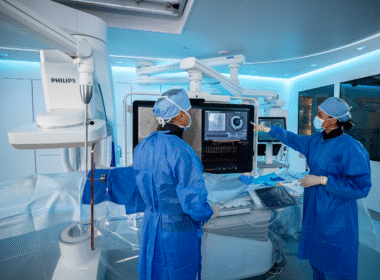
Philips launches HyperVue Integrated System in the U.S., bringing advanced coronary imaging and physiology into the cathlab

New fixed, single-room configuration is designed to make DeepOCT+NIRS Imaging and X1-FFR physiology readily available for efficient cath lab workflows At TCT 2026, Philips will showcase its broader full picture portfolio, bringing together imaging, physiology and procedural guidance Amsterdam, the Netherlands – Royal Philips (NYSE: PHG, AEX: PHIA), a global leader in health technology, today announced U.S. commercial availability of the HyperVue Integrated System1, a new single room-based configuration of its HyperVue Imaging System for DeepOCT+NIRS imaging and X1-FFR physiology assessment. It is designed to keep advanced coronary imaging and physiology tools connected and readily available in the interventional suite. The system will be showcased at TCT 2026 in San Diego, California, October 31–November 3, alongside Philips’ broader portfolio of imaging, physiology and procedural guidance solutions for precision PCI. “Every procedure is an opportunity to help a patient return to a fuller life, and physicians need technology that supports confident clinical decisions without adding unnecessary complexity or time,” said Stacy Beske, Business Leader, Image Guided Therapy Devices at Philips. “For advanced intravascular imaging to become part of everyday practice, it has to fit naturally into the high-volume workflow of the interventional suite. Part of what Philips will showcase at TCT is how this approach extends across our portfolio, bringing imaging, physiology and procedural guidance closer together so physicians can access the information they need throughout the PCI procedure.” Bringing physiology and intravascular imaging togetherHyperVue with X1-FFR1 brings together angiography derived, drug-free coronary physiology with DeepOCT+NIRS intravascular imaging on a single platform.  X1-FFR is an FDA cleared, AI powered, angiography derived platform designed to simplify and speed up FFR results at the patient’s bedside.2 X1-FFR is the only FDA cleared angiogram-derived FFR solution to use a single angiographic view, rather than two or three, to provide an FFR value.2 At TCT Philips will showcase both X1-FFR and HyperVue’s DeepOCT+NIRS imaging. An integrated system designed around interventional suite workflowAs coronary interventions become more complex, physicians need timely, meaningful information to assess disease, plan treatment and confirm results without adding unnecessary complexity for the clinical team. Unlike the mobile configuration of the HyperVue Imaging System that must be brought into the procedure room, powered and connected for each case, HyperVue Integrated is permanently installed in a dedicated interventional suite, keeping this imaging capability readily available when clinicians need it. “In a high-volume cath lab, imaging technology needs to be readily available, simple to operate and easy to use at the point of care,” said Richard Shlofmitz, MD, Chief of Cardiology, St. Francis Hospital & Heart Center, Catholic Health. “We were encouraged by the HyperVue technology and look forward to continuing our collaboration with Philips to explore how a more integrated workflow can support efficient, patient-focused care.” By eliminating the need to move, connect and prepare a mobile system for each procedure, HyperVue Integrated is designed to reduce setup steps and make advanced imaging and physiology more accessible in the everyday cathlab workflow. HyperVue Integrated provides continuous connectivity in the cath lab for both HyperVue’s DeepOCT+NIRS Imaging and X1-FFR, Philips’ angiography-based coronary physiology solution. A table-mounted touchscreen enables bedside system control within the sterile field. The new configuration also introduces updates to the controller to further simplify the setup and user experience. A broader Philips portfolio for precision PCIHyperVue Integrated expands Philips’ coronary guidance portfolio alongside its IVUS and physiology solutions. The portfolio gives clinicians options to assess coronary disease, plan and guide treatment, and confirm procedural results using the imaging and physiology tools most appropriate for the patient and lesion.At TCT, Philips will also showcase HyperVue Integrated alongside IntraSight Plus, its U.S.-available interventional guidance platform. IntraSight Plus brings IVUS, iFR/FFR physiology, co-registration, tri-registration and real-time device visualization together in a single platform, supporting assessment, treatment planning, device guidance and result verification in PCI. By bringing key diagnostic and treatment-planning tools together at the bedside, IntraSight Plus is designed to simplify the workflow of complex coronary interventions. Experience Philips at TCT 2026Attendees can experience HyperVue Integrated, IntraSight Plus and Philips’ wider image-guided therapy portfolio at the Philips Hub at TCT 2026. For further information, please contact: Joost Mi-MalthaPhilips Global External RelationsTel.: +31 6 1055816E-mail: joost.maltha@philips.com About Royal Philips  Royal Philips (NYSE: PHG, AEX: PHIA) is a leading health technology company focused on improving people’s health and well-being through meaningful innovation. Philips’ patient- and people-centric innovation leverages advanced technology and deep clinical and consumer insights to deliver personal health solutions for consumers and professional health solutions for healthcare providers and their patients in the hospital and the home.Headquartered in the Netherlands, the company is a leader in image-guided therapy, diagnostic imaging, ultrasound, monitoring, enterprise informatics and personal health. Philips generated 2025 sales of approximately EUR 18 billion and employs approximately 63,700 employees with sales and services in more than 100 countries. News about Philips can be found at www.philips.com/newscenter. HyperVue Integrated System, HyperVue with X1-FFR, HyperVue mobile and HyperVue integrated refer to different form factors of the FDA cleared HyperVue Imaging System – Integrated product, 510(k) K253101 Shlofmitz E, Shin D, Alasnag M, Angiography-Derived Physiology for Coronary Artery Disease Assessment: Expert Opinion From a SCAI Roundtable, Journal of the Society for Cardiovascular Angiography & Interventions, 2026; 5. URL: https://www.jscai.org/article/S2772-9303(25)01602-3/fulltext
Attachments

03 – X1-FFR UI image – YES Press Release

01 – Imaging System wide shot – YES Press Release

Imaging system with Models

HyperVue UI 1

02 – DeepOCT closeup – YES Press Release