


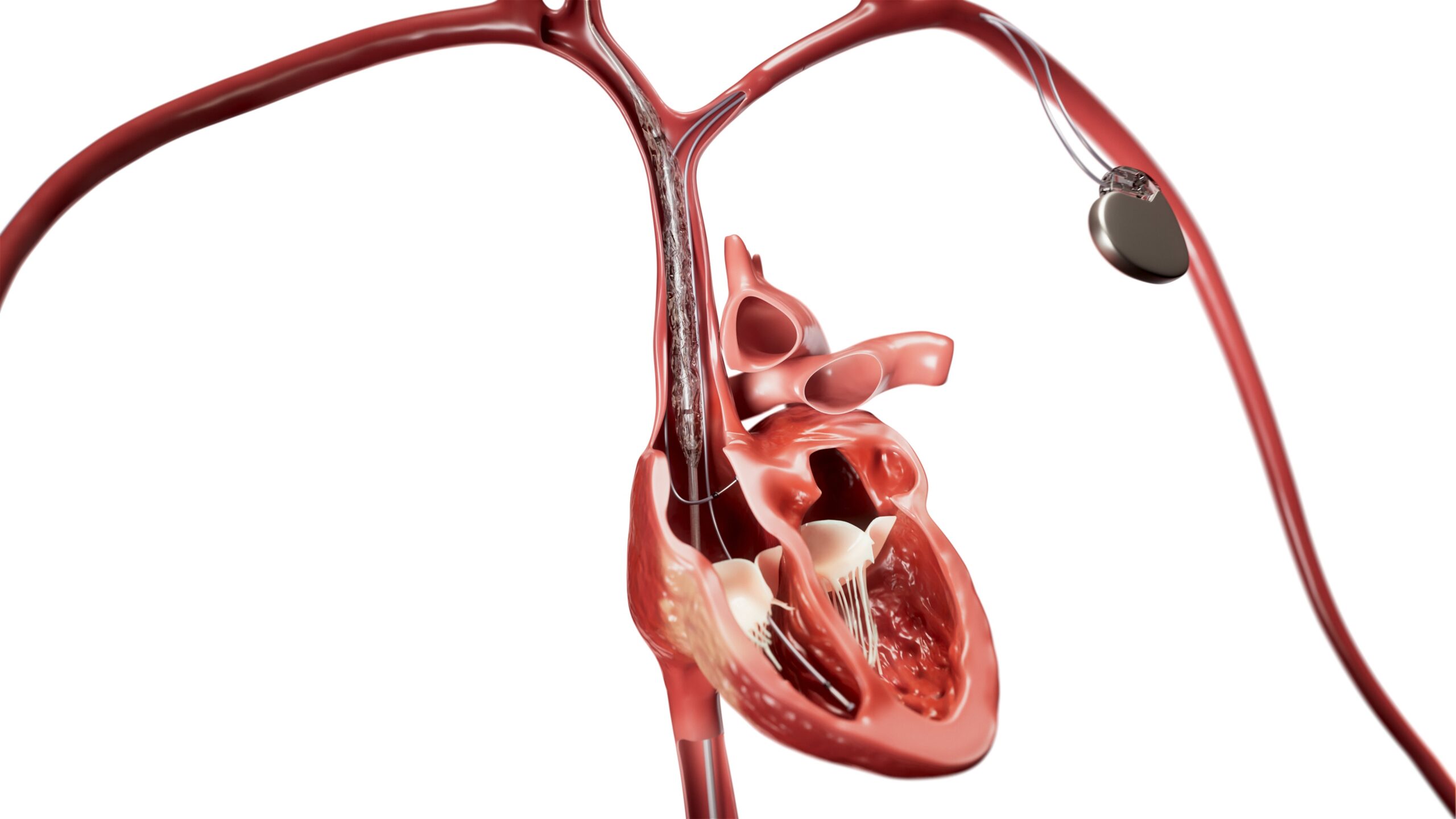
Clinical illustration of the Philips Bridge Plus balloon in use
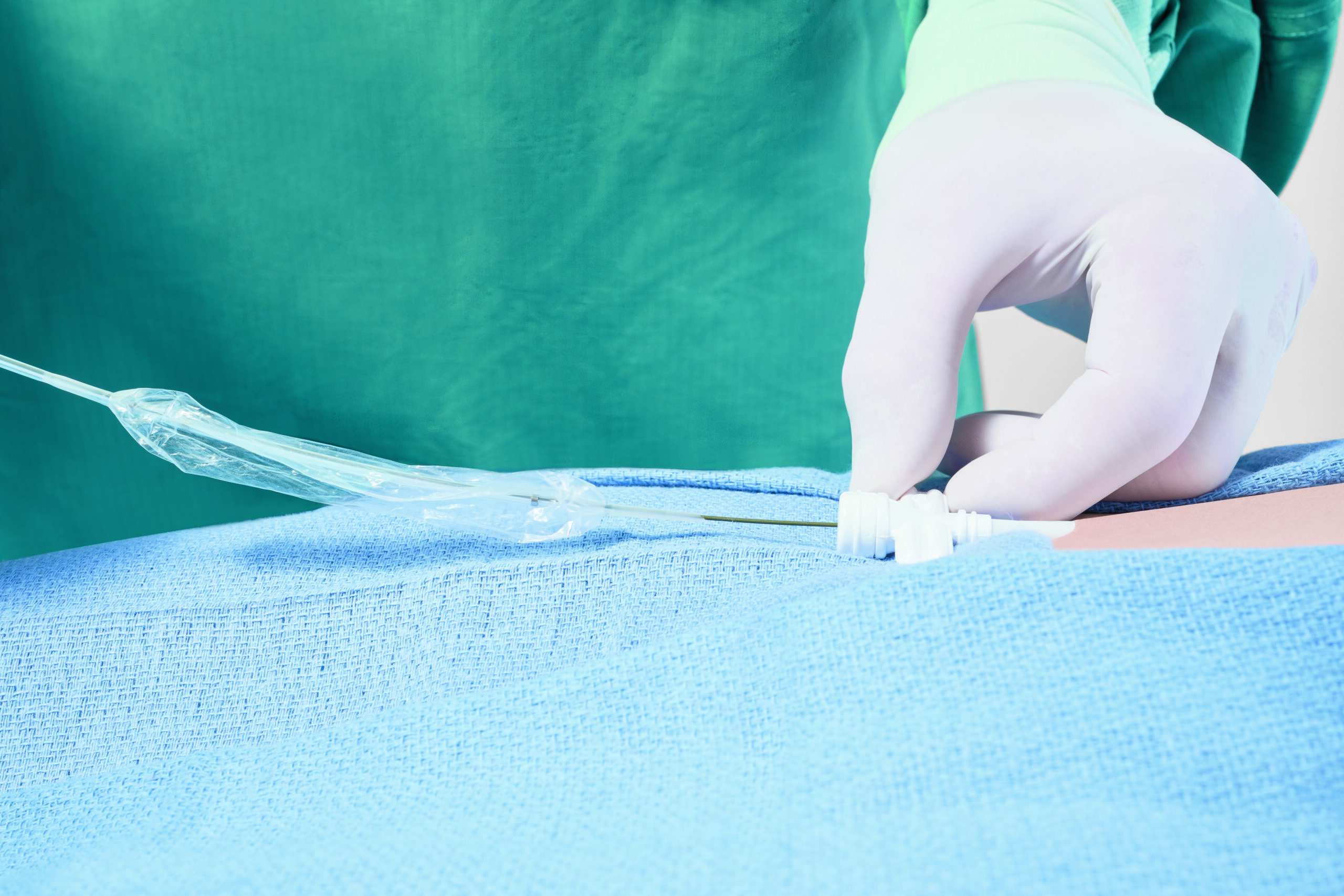
The Philips Bridge Plus Balloon, uninflated prior to use
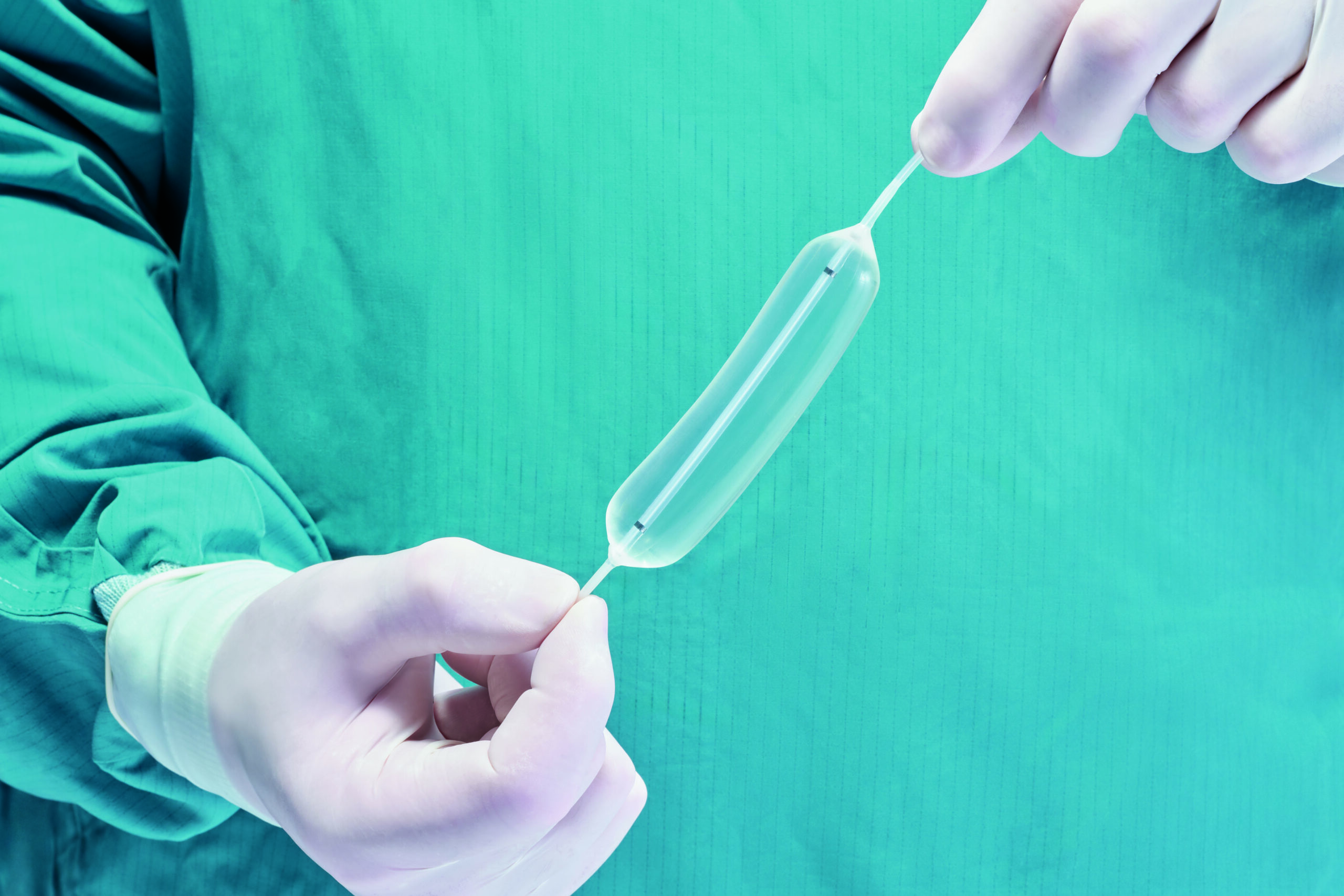
The inflated Philips Bridge Plus Balloon
April 23, 2026
- Bridge Plus was designed for rare, life-threatening emergencies to help control bleeding during superior vena cava (SVC) tears, which occur in <0.5% of lead extraction procedures [1] but require immediate intervention
- Bridge Plus allows for rapid response when every second counts by deploying in under two minutes [2] and stopping up to 90% blood loss [3], helping stabilize patients with 30 minutes of hemostasis [4]
- Bridge Plus was built upon proven Bridge Occlusion Balloon technology, used in more than 50,000 U.S. procedures [5,*], with evidence showing improved survival when staged in advance [6,**]
Amsterdam, the Netherlands – Royal Philips (NYSE: PHG, AEX: PHIA), a global leader in health technology, announced the launch of the next-generation Bridge Plus Occlusion Balloon, designed to help electrophysiology teams rapidly control bleeding and stabilize patients during rare but life-threatening superior vena cava (SVC) tears in transvenous lead extraction (TLE) procedures. Building on technology used in more than 50,000 procedures [5*], Bridge Plus enables electrophysiology teams to respond in minutes – helping stabilize patients and buy critical time for surgical repair [2-4].
Lead extraction procedures are commonly performed to remove leads from cardiac implantable electronic devices (CIEDs), such as pacemakers or defibrillators, due to damaged, infected or malfunctioning leads. While there is evidence of lead extraction’s safe use [7,8], SVC tears, occurring in fewer than 0.5% of cases [1], can quickly become fatal without immediate intervention.
Bridge Plus is designed to provide temporary vessel occlusion, helping reduce blood loss, maintain hemostasis, and stabilize patients during emergencies. The balloon can deploy in less than two minutes [2], stop up to 90% blood loss [3], and maintain acceptable hemostasis for at least 30 minutes [4]. This provides physicians with critical time to stabilize patients and prepare for surgical repair.
“Ensuring procedural safety is a top priority for electrophysiology teams,” said Stacy Beske, Business Leader, Image-Guided Therapy Devices at Philips. “Bridge Plus builds on established technology to help physicians prepare for rare SVC tears and respond quickly with the control needed to stabilize patients and transition to surgery.”
Clinical evidence highlights the importance of being prepared for this emergency scenario, with studies showing that survival rates in SVC tear events improved from 56.9% to 88.2% when an occlusion balloon was staged and available during procedures [6, 7].
“Although superior vena cava tears are rare, they represent one of the most critical emergencies that can occur during lead extraction,” said Dr. Thomas Callahan, an electrophysiologist at Cleveland Clinic who studied the technology***. “Having an occlusion balloon staged and ready can significantly improve response time when every second matters. This technology may help teams prepare for these rare but serious events and support safer lead extraction procedures.”
Prophylactic balloon set up brings additional benefits during TLE procedures, including individualized balloon staging for each patient, and the ability to deploy Bridge Plus if fluoroscopy is no longer available.
Bridge Plus is a low-pressure, compliant occlusion balloon with radiopaque markers designed for accurate placement and compatibility with a wide range of patient anatomies [9]. The device expands Philips’ portfolio of lead management solutions supporting safe and effective extraction procedures.
The Bridge Plus Occlusion Balloon is now commercially available in the United States, with international availability expected later in 2026, pending country registrations. The solution will also be showcased at Heart Rhythm Society (HRS) 2026, taking place April 24-26 in Chicago, IL.
For more information, visit the Philips Bridge Plus Occlusion Balloon product page.
*Cases performed in United States since Bridge launch in 2016.
** When staging the Bridge Balloon versus when no Bridge balloon is used.
*** Dr. Callahan discloses consulting payments from Philips North America LLC for training and education services.
[1] Azarrafiy, Ryan et al. “Endovascular Occlusion Balloon for Treatment of Superior Vena Cava Tears During Transvenous Lead Extraction: A Multiyear Analysis and an Update to Best Practice Protocol.” Circulation. Arrhythmia and electrophysiology vol. 12,8 (2019): e007266. doi:10.1161/CIRCEP.119.007266.
[2] Document on file D002023609_A_Bridge M&M Marketing Claims Test Report. Average timed deployment for commercial Bridge was 74.33 seconds (n=6) and Bridge Plus was 58.33 seconds (n=6).
[3] Document on File, D027561 Marketing claims blood loss report for Bridge project 1338 – When deployed, the Bridge Occlusion Balloon reduces blood loss of an SVC tear by 89.7% (α=0.10), on average, in an animal model.
[4] Document on file, D026197 & animal study – NGX028-IS17 – All animals had biological metrics measured for up to 45 minutes during occlusion and 15 minutes post device deployment.
[5] Document on file. LT-002760 Bridge Sales Customers Raw Data.
[6] Bruce L. Wilkoff, MD, FHRS, Roger G. Carrillo, MD, MBA, FHRS, Ryan Azarrafiy, BA, Darren C. Tsang, BS, Thomas A. Boyle, BS. Compliant endovascular balloon reduces the lethality of superior vena cava tears during transvenous lead extractions.
[7] Wazni 0, Epstein LM, Carrillo RG, et al. Lead extraction in the contemporary setting: the LExlCon study: an observational retrospective study of consecutive laser lead extractions. J Am Coll cardiol. 2010;55(6):579-586.
[8] Bongiorni MG, Kennergren C, Butter C, et al. The European Lead Extraction ConTRolled (ELECTRa) study: a European Heart Rhythm Association (EHRA) registry of transvenous lead extraction outcomes. Eur Heart J. 2017;38(40):2995-3005.
[9] Document on file, D026203 Engineering Translation Rationale For Bridge, Project #1338 – PR00. The balloon will cover the length and diameter of the SVC in 90% of the population as determined by analysis of 52 patients.
For further information, please contact:
Joost Maltha
Philips Global External Relations
Tel.: +31 610 558 116
E-mail: joost.maltha@philips.com
About Royal Philips
Royal Philips (NYSE: PHG, AEX: PHIA) is a leading health technology company focused on improving people’s health and well-being through meaningful innovation. Philips’ patient- and people-centric innovation leverages advanced technology and deep clinical and consumer insights to deliver personal health solutions for consumers and professional health solutions for healthcare providers and their patients in the hospital and the home.
Headquartered in the Netherlands, the company is a leader in diagnostic imaging, ultrasound, image-guided therapy, monitoring and enterprise informatics, as well as in personal health. Philips generated 2025 sales of EUR 18 billion and employs approximately 64,800 employees with sales and services in more than 100 countries. News about Philips can be found at www.philips.com/newscenter.
Attachments
- Clinical illustration of the Philips Bridge Plus balloon in use
- The Philips Bridge Plus Balloon, uninflated prior to use
- The inflated Philips Bridge Plus Balloon


